What Affects Rates in Louisville
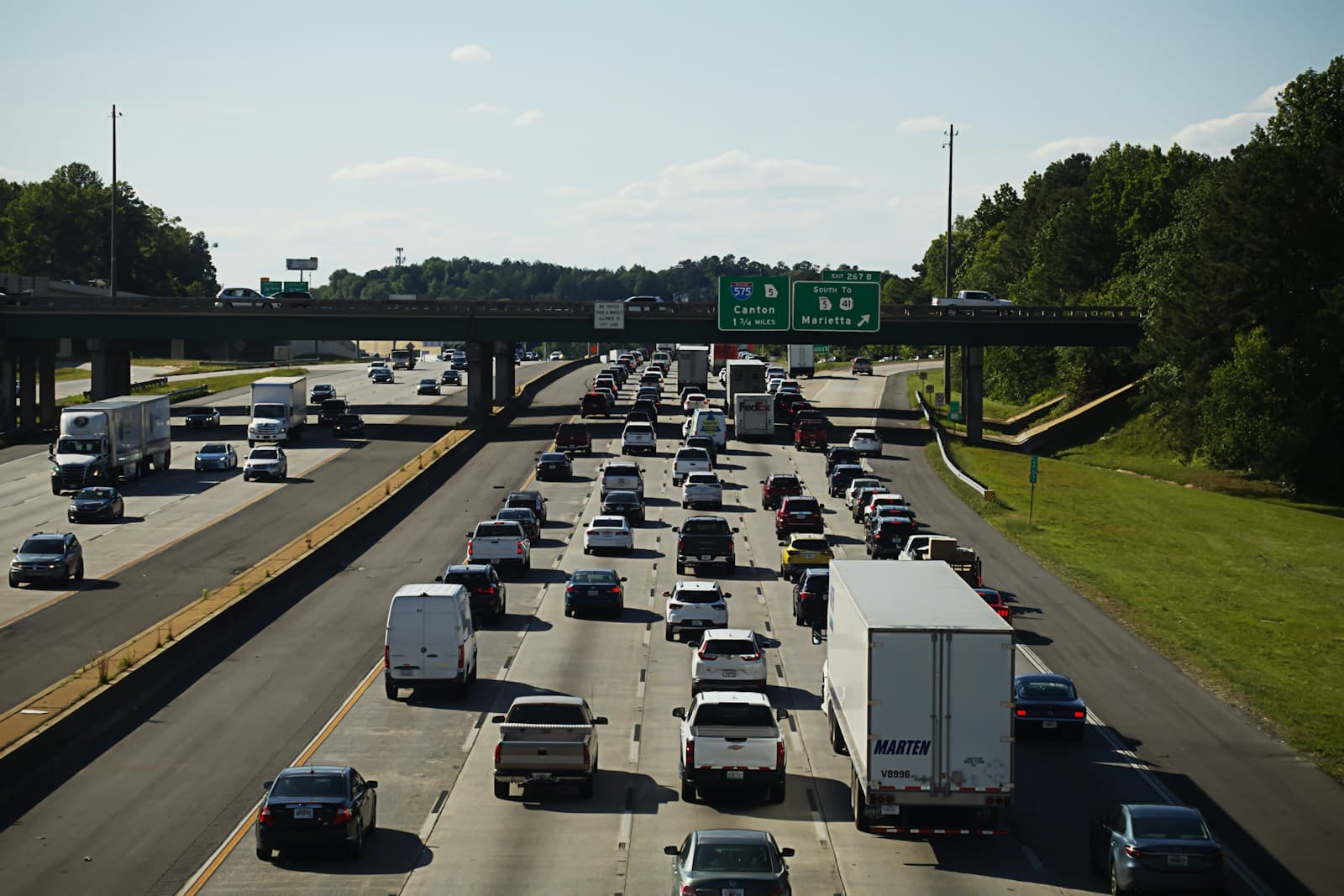
- Interstate Corridor Accident Concentration: Louisville's I-64 and I-65 interchange ranks among Kentucky's highest-density crash zones, with merge patterns near downtown generating elevated collision frequency. High-risk drivers with at-fault accidents in these corridors face steeper rate increases due to the geographic clustering of claims in zip codes 40202, 40203, and 40204.
- Uninsured Driver Exposure: Kentucky's 14.7% uninsured motorist rate translates to roughly 1 in 7 drivers on Louisville roads operating without coverage. For high-risk drivers already paying elevated premiums, adding uninsured motorist coverage—which costs $150–$350/year—becomes critical given the statistical likelihood of interacting with uncovered drivers.
- Jefferson County Court Processing Times: DUI cases processed through Jefferson District Court can take 6–12 months from arrest to final disposition, delaying SR-22 filing requirements and extending the period before rate reduction becomes possible. Drivers with pending cases often face non-standard market placement until conviction or dismissal is finalized.
- Urban Density Rate Multipliers: Louisville's urban core (40202–40212 zip codes) carries 20–35% higher base rates than outer Jefferson County suburbs like Jeffersontown or Middletown due to theft frequency, vandalism, and hit-and-run claim density. High-risk drivers in downtown zones face compounded premiums from both their driving record and geographic risk tier.
- Weather-Related Claim Patterns: Louisville averages 45 inches of annual rainfall and experiences flash flooding along Beargrass Creek corridors, generating comprehensive claims that affect loss ratios for carriers. High-risk drivers adding comprehensive coverage in flood-prone areas (40204, 40205) see premiums increase $300–$600/year beyond liability-only policies.
Find out exactly how long SR-22 is required in your state
Coverage Recommendations
Cost estimates are based on available industry data and vary by driver profile. These are not insurance quotes.
SR-22 Insurance
Kentucky mandates SR-22 filing for DUI convictions, refusing chemical tests, driving on a suspended license, or accumulating 12+ points in 24 months. The SR-22 itself costs $25–$50 to file, but the underlying high-risk policy in Louisville runs $1,800–$3,600/year for state minimums (25/50/25), with the filing requirement lasting 3 years from conviction date.
$1,800–$3,600/year + $25–$50 filing feeEstimated range only. Not a quote.
Liability Insurance
Kentucky's 25/50/25 minimums ($25,000 per person injury, $50,000 per accident, $25,000 property damage) represent the floor for high-risk drivers, but Louisville's tort system means at-fault drivers remain personally liable for damages exceeding policy limits. Carriers writing high-risk policies in Jefferson County often recommend 50/100/50 limits, which add $400–$800/year to premiums but reduce exposure in multi-vehicle accidents common on I-264.
$1,200–$2,400/year for minimum; $1,600–$3,200/year for 50/100/50Estimated range only. Not a quote.
Uninsured Motorist Coverage
With 14.7% of Kentucky drivers uninsured, this coverage protects high-risk policyholders when hit by uncovered drivers—a statistically likely scenario in Louisville's dense urban corridors. Adding uninsured/underinsured motorist coverage costs $150–$350/year and mirrors your liability limits, covering medical bills and vehicle damage when the at-fault driver lacks insurance or flees the scene.
$150–$350/year additionalEstimated range only. Not a quote.
Non-Standard Auto Insurance
Drivers with DUIs, multiple violations, or SR-22 requirements in Louisville access coverage through non-standard carriers like The General, Direct Auto, Acceptance Insurance, and Progressive's high-risk division. These policies carry 40–150% higher premiums than standard market rates but offer immediate coverage and electronic SR-22 filing to reinstate suspended licenses within 24–48 hours.
$1,800–$4,500/year depending on violation severityEstimated range only. Not a quote.