What Affects Rates in Monroe
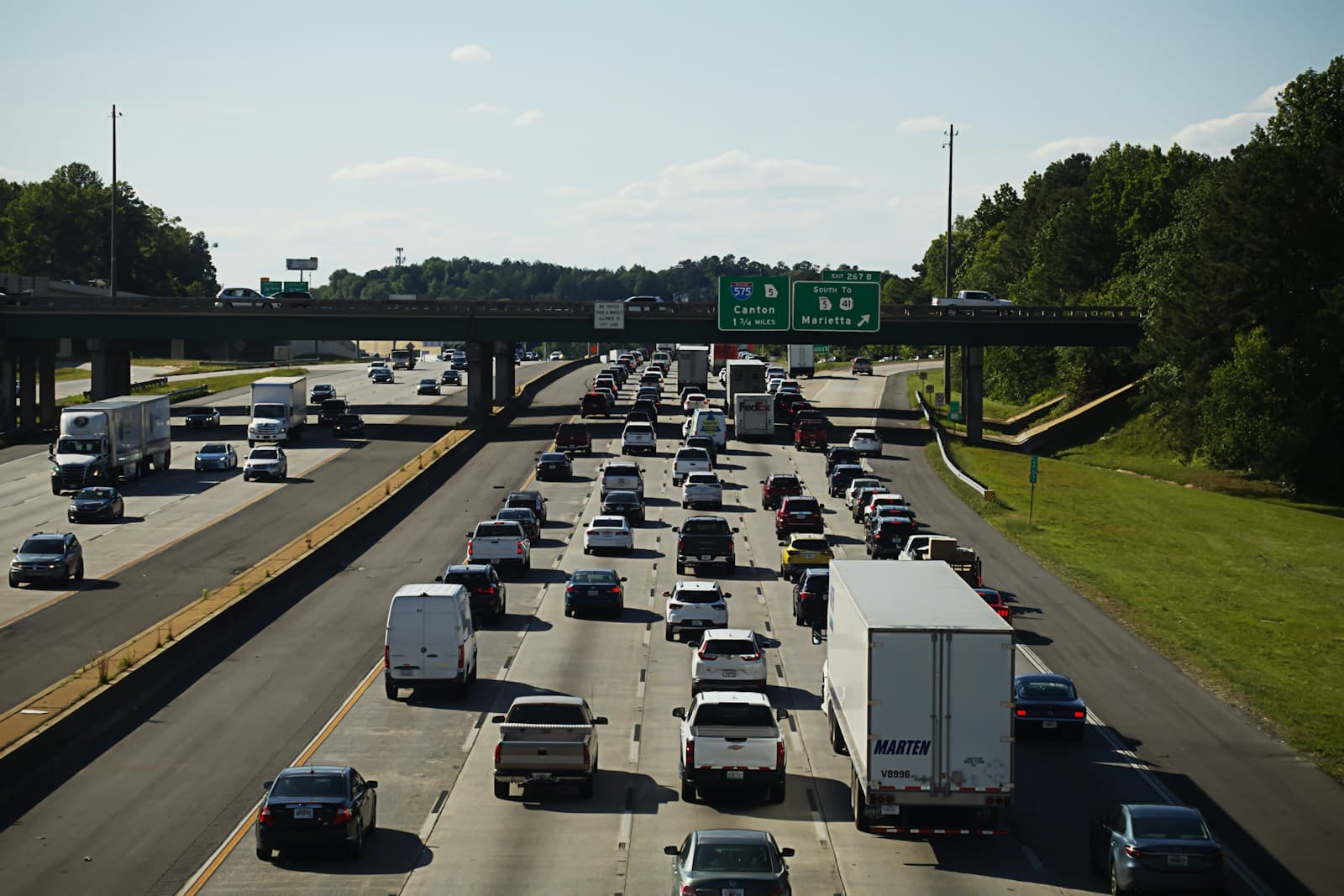
- I-20 Corridor Accident Concentration: The I-20 corridor through Monroe experiences frequent accidents, particularly near the Civic Center and DeSiard Street interchanges. High-risk drivers face steeper rate increases here because insurers factor collision frequency into risk models, and any additional at-fault incident during your SR-22 period can extend filing requirements or trigger license suspension.
- Ouachita Parish Court Processing Times: DUI and reckless driving cases processed through Ouachita Parish's 4th Judicial District Court can take 6–12 months to resolve, delaying SR-22 filing and extending the period before rate reduction begins. Insurers typically won't recalculate risk until the conviction date is finalized, not the arrest date.
- Higher Uninsured Driver Concentration: Monroe's uninsured driver rate runs above the Louisiana state average of approximately 11.7%, concentrated in neighborhoods east of DeSiard Street and north of I-20. For high-risk drivers already paying elevated premiums, uninsured motorist coverage becomes critical—an accident with an uninsured driver won't reduce your rates even if you're not at fault.
- Flood Zone Considerations: Parts of Monroe near Bayou DeSiard and the Ouachita River sit in FEMA flood zones, and comprehensive coverage costs rise accordingly. High-risk drivers who finance vehicles must carry comprehensive, making flood risk a compounding cost factor that generic carriers price more aggressively than non-standard insurers familiar with the region.
- Limited Non-Standard Carrier Access: Monroe has fewer independent non-standard insurance agents compared to Baton Rouge or Shreveport, meaning high-risk drivers often rely on direct-write carriers or captive agents with less flexibility to shop multiple non-standard markets. This reduces competitive pressure and can keep rates 10–15% higher than in larger Louisiana cities.
Find out exactly how long SR-22 is required in your state
Coverage Recommendations
Cost estimates are based on available industry data and vary by driver profile. These are not insurance quotes.
SR-22 Insurance
Louisiana requires SR-22 certificates for DUI convictions, multiple violations within 12 months, at-fault accidents without insurance, or license reinstatement after suspension. The SR-22 itself costs $25–$50 to file, but the underlying high-risk policy in Monroe typically runs $180–$350/month depending on violation severity and coverage limits.
$25–$50 filing fee + high-risk policy costEstimated range only. Not a quote.
Liability Insurance
Louisiana's minimum liability limits are 15/30/25 ($15,000 bodily injury per person, $30,000 per accident, $25,000 property damage). High-risk drivers in Monroe should consider 50/100/50 or higher—if you cause another accident during your SR-22 period with only minimum coverage, you'll face both personal injury lawsuits and potential license re-suspension for underinsured claims.
Minimum coverage: $120–$220/month for high-risk driversEstimated range only. Not a quote.
Uninsured Motorist Coverage
Monroe's above-average uninsured driver rate makes UM coverage essential for high-risk drivers—an accident with an uninsured driver still triggers rate increases and potential SR-22 complications even if you're not at fault. Louisiana law requires insurers to offer UM coverage equal to your liability limits unless you reject it in writing.
Adds $15–$40/month to high-risk policiesEstimated range only. Not a quote.
Non-Standard Auto Insurance
Non-standard carriers specialize in high-risk profiles and often offer more competitive Monroe rates than standard carriers applying surcharge tables. These insurers price DUIs, suspensions, and lapses as expected risk rather than exceptions, and many allow rate reductions after 12–18 months of violation-free driving rather than waiting the full 3-year SR-22 period.
Often 15–25% less than standard market high-risk ratesEstimated range only. Not a quote.