What Affects Rates in Gaithersburg
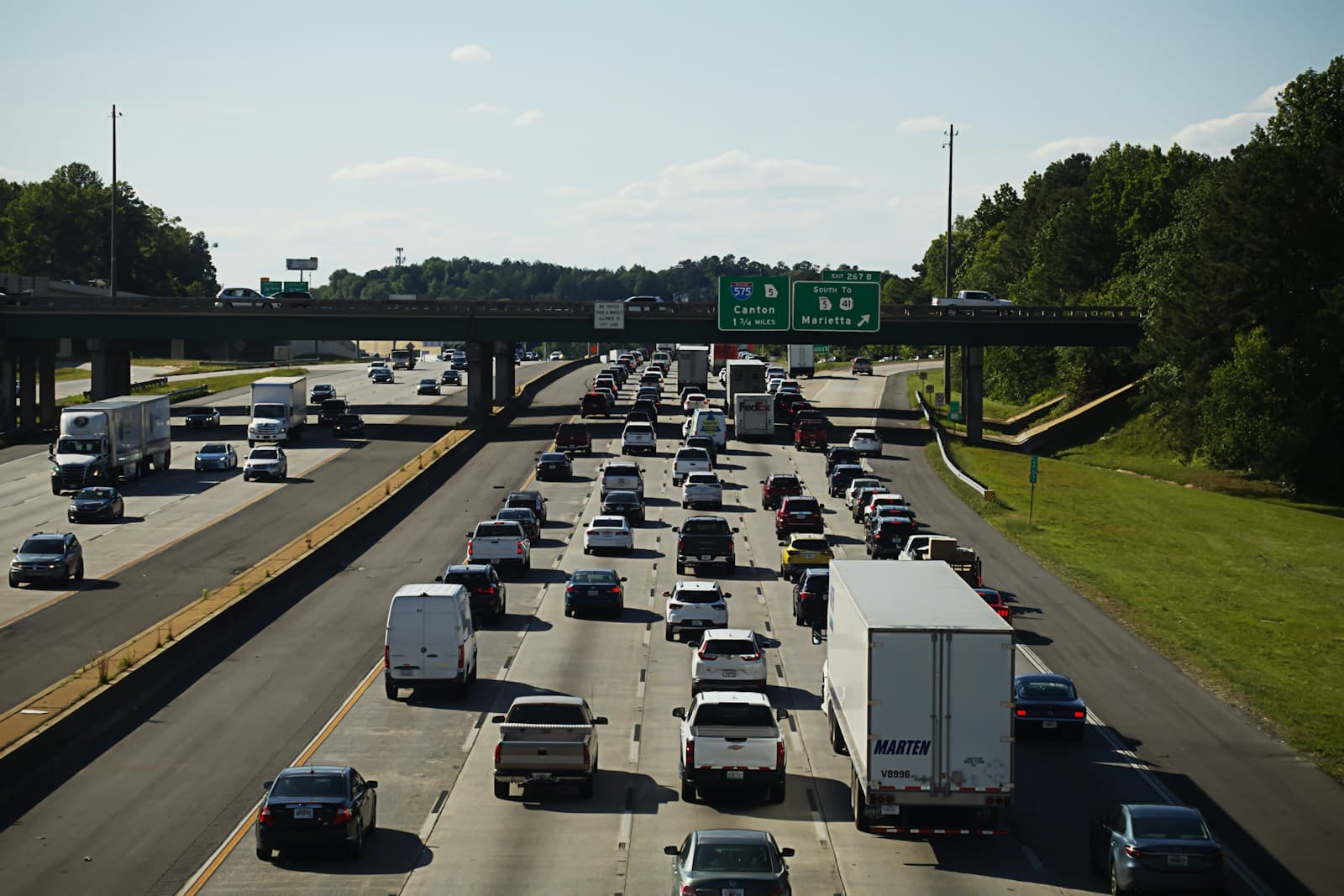
- I-270 and Tech Corridor Congestion: Gaithersburg sits along I-270, a major commuter artery with consistent heavy traffic between Frederick and the D.C. metro area. High-risk drivers with at-fault accidents or multiple violations face steeper rate increases in zip codes near I-270 exits and Shady Grove Metro due to elevated crash frequency and stop-and-go conditions during peak hours.
- Montgomery County Court System SR-22 Volume: Montgomery County District Court processes a high volume of DUI and suspended license cases annually, meaning insurers in Gaithersburg regularly underwrite SR-22 policies. Non-standard carriers like The General, Bristol West, and National General maintain active SR-22 filing relationships here, offering quicker turnaround than in lower-volume jurisdictions.
- Urban Density and Uninsured Driver Rates: Gaithersburg's mix of single-family neighborhoods and dense apartment complexes near Lakeforest Mall and Rio creates higher uninsured motorist exposure than rural Maryland areas. Drivers with prior lapses should prioritize uninsured motorist coverage at Maryland's minimum $30,000/$60,000 limits to avoid being underinsured in multi-vehicle incidents.
- Winter Weather on Route 355 and 124: Gaithersburg averages 15–20 inches of snow annually, with Routes 355 (Frederick Road) and 124 (Montgomery Village Avenue) experiencing frequent ice and visibility issues between December and March. High-risk drivers with prior at-fault weather-related claims may see surcharges of 30–60% during renewal if another winter incident occurs within the SR-22 filing period.
- Proximity to Maryland State Police Rockville Barrack: The Maryland State Police Rockville Barrack patrols I-270 and surrounding highways heavily, leading to consistent DUI checkpoints and speed enforcement in Gaithersburg. High-risk drivers already carrying SR-22 face immediate license suspension and policy cancellation if cited for additional violations during the 3-year monitoring period.
Find out exactly how long SR-22 is required in your state
Coverage Recommendations
Cost estimates are based on available industry data and vary by driver profile. These are not insurance quotes.
SR-22 Insurance
Maryland mandates SR-22 filing for DUI convictions, driving without insurance, or accumulating 8+ points within 2 years. The SR-22 itself is a certificate your insurer files with the Maryland MVA confirming you carry at least $30,000/$60,000/$15,000 liability; any lapse triggers automatic suspension.
$50–$65 filing fee + underlying policy costEstimated range only. Not a quote.
Liability Insurance
Maryland requires minimum $30,000 bodily injury per person, $60,000 per accident, and $15,000 property damage. High-risk drivers in Gaithersburg often pay $150–$300/month for state minimums through non-standard carriers; consider $100,000/$300,000 limits if commuting I-270 daily to avoid personal asset exposure in multi-vehicle incidents.
$150–$300/month for state minimumsEstimated range only. Not a quote.
Uninsured Motorist Coverage
Maryland requires insurers to offer uninsured/underinsured motorist coverage matching your liability limits unless you reject it in writing. Given Gaithersburg's urban density and transient population near tech employment hubs, carrying UM/UIM at $100,000/$300,000 protects you if hit by an uninsured driver while your SR-22 is active.
Adds $15–$40/month to high-risk policiesEstimated range only. Not a quote.
Non-Standard Auto Insurance
Drivers with DUIs, multiple at-fault accidents, or prior lapses typically cannot secure coverage from preferred carriers and must use non-standard insurers. Gaithersburg has access to carriers like The General, Dairyland, and Bristol West that specialize in SR-22 filings and high-risk profiles, though premiums run 60–150% higher than standard market rates.
60–150% above standard ratesEstimated range only. Not a quote.