What Affects Rates in Billings
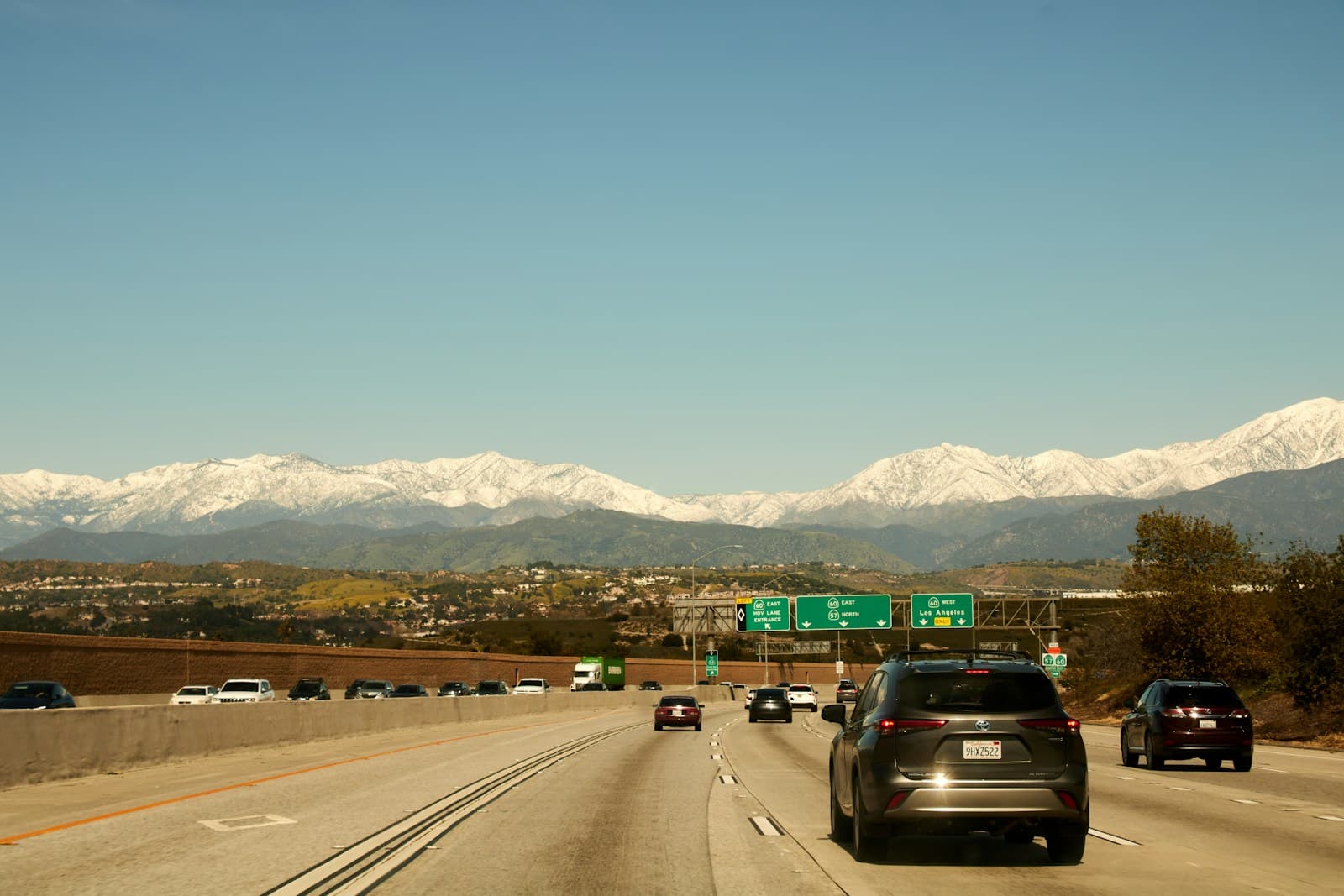
- I-90 and Rural Highway Accident Patterns: Interstate 90 runs through Billings with high-speed traffic between Laurel and Lockwood, and rural highways like US-87 and MT-3 see frequent accidents involving speed and weather. High-risk drivers with speeding violations or at-fault accidents on these corridors face steeper increases because insurers view rural highway crashes as higher-severity claims.
- Winter Weather and Ice-Related Claims: Billings averages 56 inches of snow annually, with frequent ice storms from November through March creating hazardous conditions on major routes like Grand Avenue and Main Street. Drivers with prior at-fault accidents often see larger premium increases here than in milder Montana cities because winter claim frequency elevates risk profiles.
- Yellowstone County Court SR-22 Volume: Yellowstone County Justice Court processes a high volume of DUI and suspended license cases annually, generating substantial SR-22 filing demand in Billings. This concentration of high-risk drivers means more carriers offer non-standard coverage here compared to smaller Montana cities, but competition doesn't always lower rates due to elevated claim risk.
- Uninsured Driver Concentration in Yellowstone County: Yellowstone County consistently reports uninsured motorist rates above Montana's state average, driven partly by economic factors in Billings and surrounding areas. High-risk drivers already facing elevated premiums should prioritize uninsured motorist coverage here, as the likelihood of accident involvement with an uninsured driver is measurably higher than in cities like Bozeman or Missoula.
- Oil and Gas Industry Traffic Patterns: Billings serves as a regional hub for oil and gas operations, bringing heavy truck traffic and transient workers through corridors like King Avenue West and I-90. Increased commercial traffic elevates accident risk, and high-risk drivers with commercial vehicle-related violations or accidents may face steeper rate increases than in less industrialized Montana cities.
Find out exactly how long SR-22 is required in your state
Coverage Recommendations
Cost estimates are based on available industry data and vary by driver profile. These are not insurance quotes.
SR-22 Liability Insurance
Montana requires 25/50/20 minimum liability limits for SR-22 filing, but high-risk drivers in Billings should consider 50/100/50 or higher to protect assets if involved in another accident. SR-22 itself costs $25–$50 to file, but the underlying high-risk policy drives total costs to $1,800–$3,600/year for minimum coverage.
$1,800–$3,600/year for minimumEstimated range only. Not a quote.
Uninsured Motorist Coverage
Yellowstone County's elevated uninsured driver rate makes this coverage critical for high-risk drivers already vulnerable to rate spikes from another claim. Montana doesn't mandate uninsured motorist coverage, but adding 25/50 UM costs roughly $150–$300/year and protects you if hit by one of the many uninsured drivers on Billings roads.
$150–$300/year addedEstimated range only. Not a quote.
Liability-Only Coverage
Most high-risk drivers in Billings start with state-minimum liability (25/50/20) to meet SR-22 or reinstatement requirements at the lowest cost. If you drive an older vehicle worth under $3,000, skipping collision and comprehensive keeps premiums in the $1,800–$2,400/year range instead of $3,000+.
$1,800–$2,400/year minimumEstimated range only. Not a quote.
Non-Standard Auto Insurance
Carriers specializing in high-risk profiles operate in Billings, including national non-standard insurers and regional Montana companies. These policies often include SR-22 filing services and flexible payment plans, though premiums typically run 50–150% higher than standard market rates based on your violation severity and claims history.
50–150% above standard ratesEstimated range only. Not a quote.