What Affects Rates in Charlotte
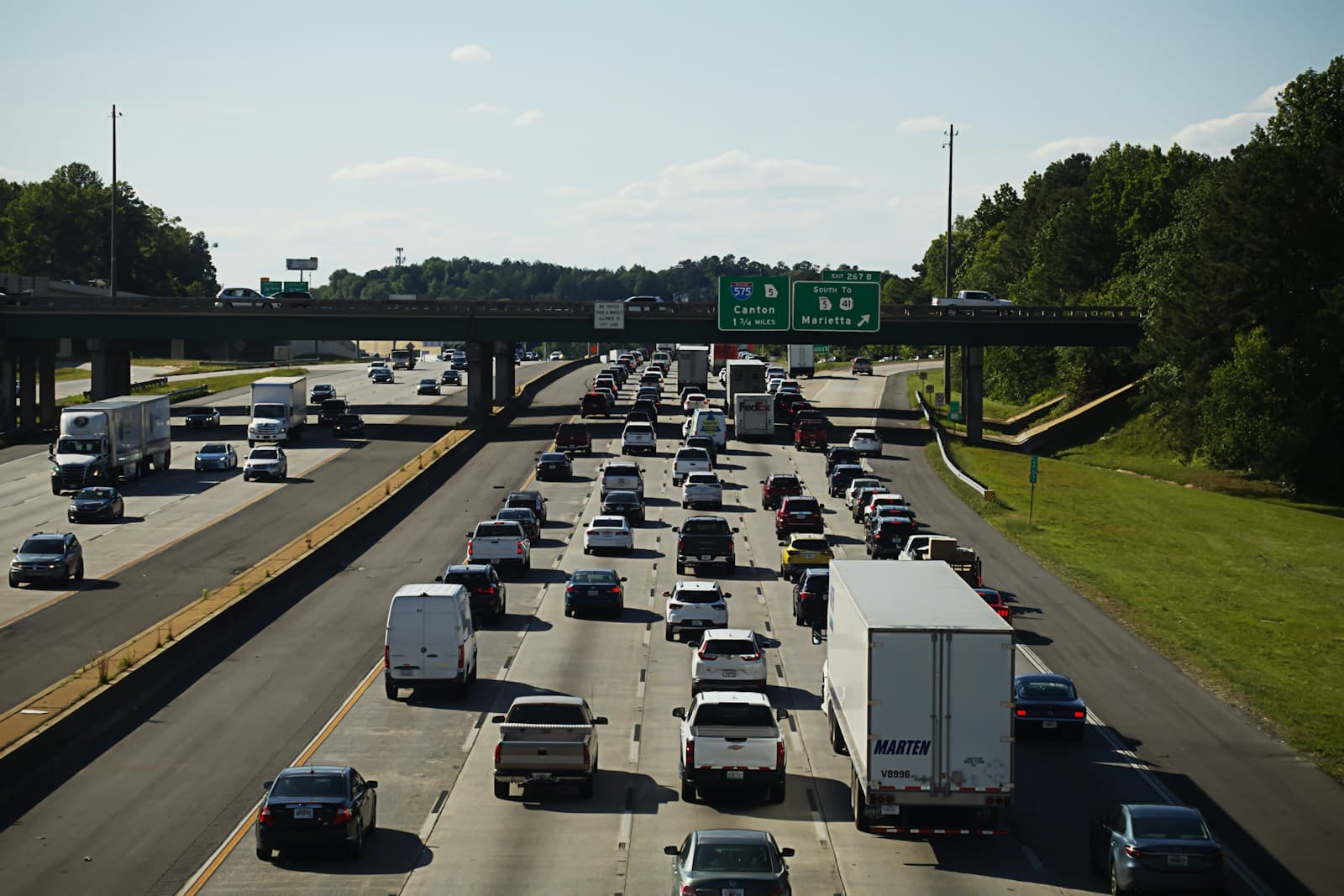
- I-77 and I-85 Corridor Density: Charlotte sits at the intersection of I-77 and I-85, two of North Carolina's highest-traffic corridors. High-risk drivers with at-fault accidents or multiple violations face steeper rate increases here due to elevated accident frequency in dense commuter zones extending from Uptown through University City and South End.
- Mecklenburg County Court System: DUI convictions processed through Mecklenburg County District Court trigger mandatory SR-22 filings and 30-day license suspensions. The county's processing volume—among the highest in the state—means consistent enforcement of SR-22 duration requirements, with no early termination for drivers seeking relief before the 3-year mark.
- Urban Commuter Concentration: Charlotte's rapid growth as a financial center has increased commuter density, particularly along the 485 loop and into surrounding counties like Union and Cabarrus. High-risk drivers living in these commuter-heavy zones often see higher premiums due to increased exposure to multi-vehicle accidents during peak hours.
- Non-Standard Carrier Access: Multiple non-standard and assigned-risk carriers operate in Charlotte, including state-assigned NCRB reinsurance options for drivers unable to secure coverage in the voluntary market. Availability is strong, but assigned-risk policies typically cost 40–60% more than voluntary non-standard coverage.
- Weather and Road Conditions: Charlotte experiences ice storms and heavy rainfall that contribute to winter and spring accident spikes. High-risk drivers with prior at-fault weather-related claims face compounded rate increases, as carriers factor both driving history and regional weather patterns into underwriting.

Find out exactly how long SR-22 is required in your state
Coverage Recommendations
Cost estimates are based on available industry data and vary by driver profile. These are not insurance quotes.
SR-22 Insurance
North Carolina requires SR-22 certificates for 3 years following DUI convictions, driving while license revoked (DWLR) charges, or lapses in required coverage. The SR-22 itself costs $50 to file; the underlying liability policy—often written by non-standard carriers—drives total cost to $180–$340/month for Charlotte drivers.
$180–$340/month typical with filingEstimated range only. Not a quote.
Liability Insurance
North Carolina's minimum liability limits are $30,000 per person/$60,000 per accident for bodily injury and $25,000 for property damage. High-risk drivers in Charlotte should consider higher limits ($100,000/$300,000/$100,000) to protect assets in at-fault accidents, especially given the city's dense traffic and elevated accident rates along major corridors.
State minimum often insufficientEstimated range only. Not a quote.
Uninsured Motorist Coverage
Roughly 7.4% of North Carolina drivers carry no insurance, and Charlotte's commuter density increases exposure. Uninsured motorist coverage (UM/UIM) is mandatory in NC unless rejected in writing, providing critical protection for high-risk drivers who cannot afford another at-fault claim impacting their record.
Mandatory unless waivedEstimated range only. Not a quote.
Non-Standard Auto Insurance
Non-standard carriers specialize in high-risk profiles—DUIs, multiple violations, lapses, or SR-22 requirements. Charlotte drivers turned down by preferred companies can access coverage through these carriers or, as a last resort, North Carolina's assigned-risk NCRB reinsurance facility, though costs run significantly higher.
Primary option for SR-22 driversEstimated range only. Not a quote.