What Affects Rates in Grand Forks
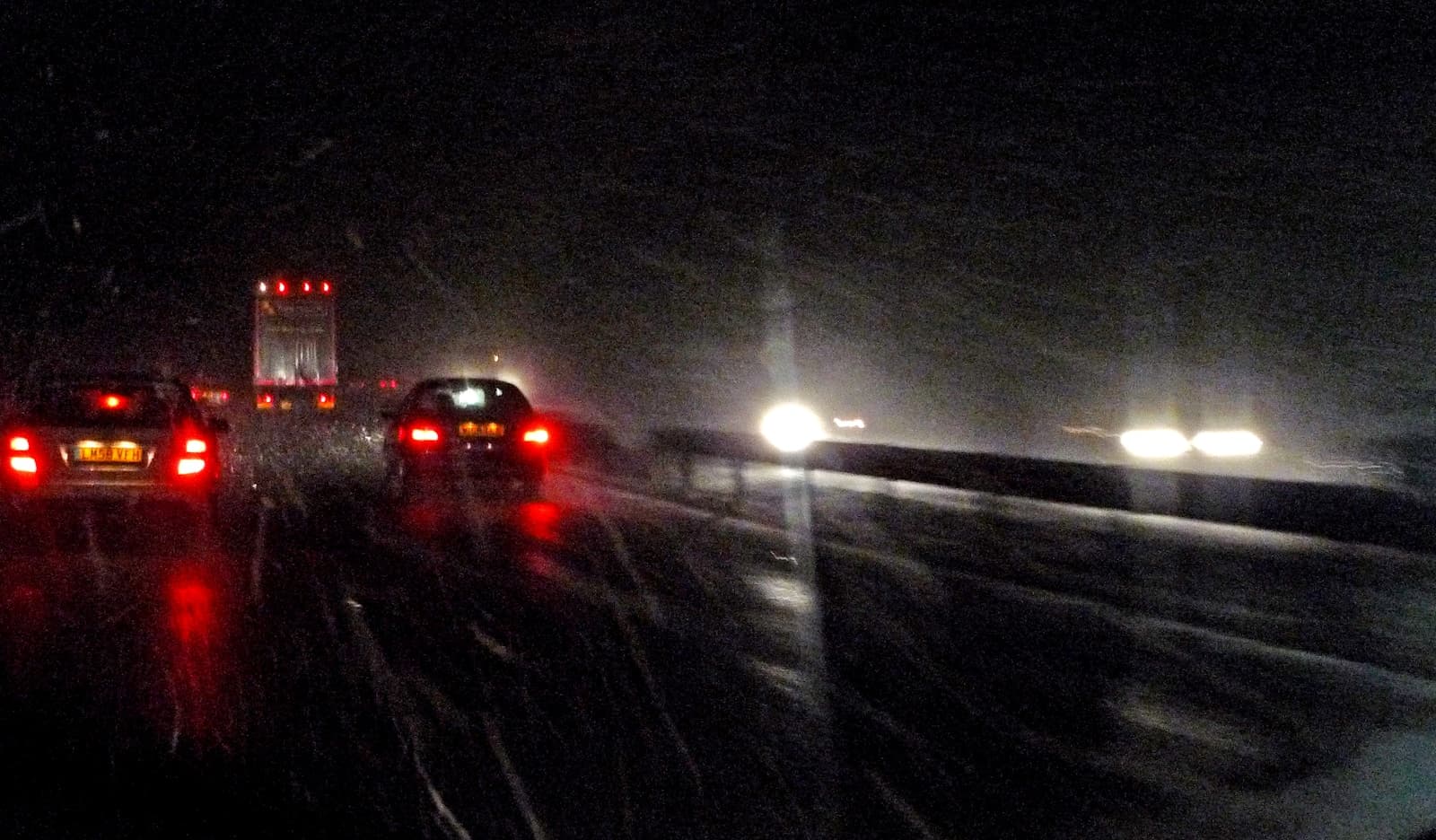
- Winter Weather Collision Frequency: Grand Forks averages 51 inches of snow annually with sustained sub-zero temperatures November through March, creating black ice and reduced visibility conditions that increase accident frequency. High-risk drivers with prior at-fault accidents face steeper surcharges in markets with documented winter collision spikes.
- DUI Enforcement in Grand Forks County: Grand Forks County consistently reports higher-than-state-average DUI arrest rates, particularly during university events and winter months. Carriers price DUI risk based on regional enforcement patterns, and areas with active enforcement typically see tighter underwriting for repeat offenders.
- Limited High-Risk Carrier Competition: Grand Forks has fewer non-standard auto insurers with local agents compared to Fargo or Bismarck, concentrating high-risk policies among 4–6 carriers and reducing rate competition. Drivers with SR-22 requirements often access coverage through statewide or regional surplus lines carriers rather than local offices.
- Lower Uninsured Motorist Rate: North Dakota's uninsured motorist rate of 7.9% ranks among the lowest nationally, reducing uninsured motorist claim frequency and creating modest downward pressure on liability premiums even for high-risk drivers. This factor partially offsets DUI and violation surcharges.
- Rural Highway Risk on US-2 and I-29 Corridors: Grand Forks sits at the intersection of I-29 and US-2, where higher speed limits and winter conditions contribute to severe accident outcomes. Drivers with speeding violations or at-fault accidents on these corridors often see larger rate increases due to severity-weighted risk models.
Find out exactly how long SR-22 is required in your state
Coverage Recommendations
Cost estimates are based on available industry data and vary by driver profile. These are not insurance quotes.
SR-22 Insurance
SR-22 is a certificate filed by your insurer with the North Dakota DOT proving you carry at least state minimum liability ($25,000/$50,000/$25,000). Required for 3 years following DUI convictions, driving without insurance, or license suspension; any lapse triggers license re-suspension.
$25–$50 filing fee plus high-risk premiumEstimated range only. Not a quote.
Liability Insurance
North Dakota requires $25,000 per person/$50,000 per accident bodily injury and $25,000 property damage, but high-risk drivers should consider $100,000/$300,000/$100,000 to protect assets if involved in another at-fault collision. Minimum coverage satisfies SR-22 but leaves significant exposure in multi-vehicle winter accidents common on I-29.
$110–$240/month (high-risk, state minimums)Estimated range only. Not a quote.
Uninsured Motorist Coverage
Though North Dakota's 7.9% uninsured rate is low, uninsured motorist coverage protects you if an unlicensed or uninsured driver causes an accident and you're unable to recover damages. High-risk drivers with prior at-fault accidents benefit from UM/UIM as they cannot afford another out-of-pocket loss affecting their record.
$15–$35/month additionalEstimated range only. Not a quote.
Non-Standard Auto Insurance
Non-standard policies from carriers like Dairyland, The General, or Progressive's non-standard division serve drivers with DUIs, multiple violations, or lapses who cannot access standard market rates. These policies often require full payment upfront or monthly EFT and may exclude certain coverages until your record improves.
$1,800–$3,720/year depending on violation severityEstimated range only. Not a quote.