What Affects Rates in Cincinnati
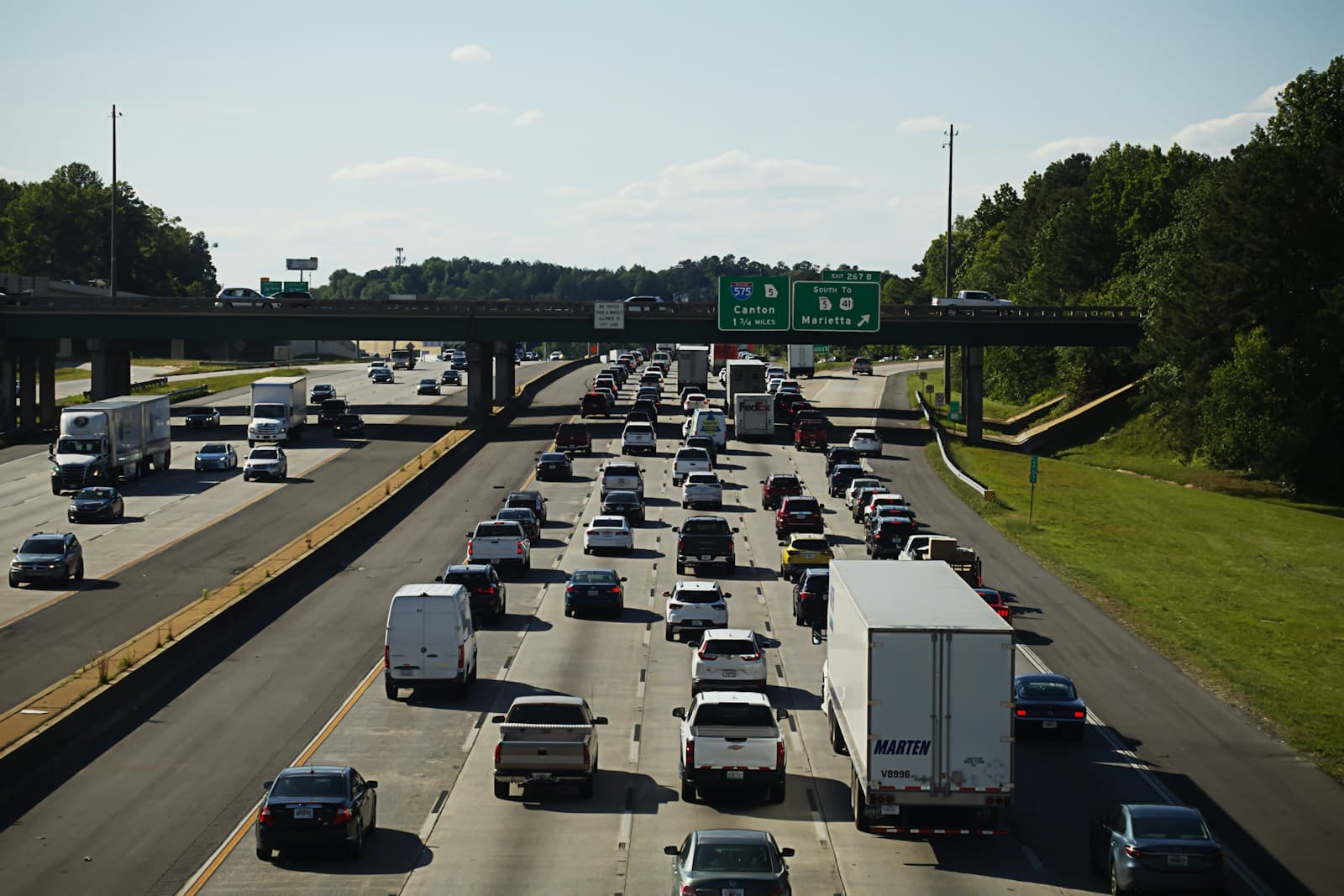
- I-71 and I-75 Corridor Accident Density: Cincinnati's highway convergence zone—where I-71, I-75, and I-471 intersect downtown—experiences elevated accident frequency during peak commute hours. High-risk drivers with prior at-fault accidents face steeper premiums if they live or commute through Over-the-Rhine, Downtown, or Clifton zip codes due to this collision density.
- Hamilton County Court SR-22 Processing: Hamilton County Municipal Court and Ohio BMV require continuous SR-22 certification without lapses; a single day of coverage gap resets the entire 3–5 year filing period. Carriers must electronically file SR-22 forms directly with Ohio BMV, and any cancellation triggers immediate license suspension.
- Urban Uninsured Driver Concentration: Ohio's uninsured driver rate sits near 13%, with higher concentrations in urban Hamilton County areas. High-risk drivers already paying elevated premiums should prioritize uninsured motorist coverage, as collision with an uninsured driver can trigger rate increases even when not at fault.
- Winter Weather Impact on Violation Records: Cincinnati's freeze-thaw cycles and icy conditions on hillside neighborhoods like Mount Adams and Price Hill contribute to seasonal at-fault accidents. Drivers with existing violations face compounded rate increases if weather-related accidents are added to their record during Ohio's November–March window.
- Non-Standard Carrier Availability: Cincinnati maintains active non-standard and high-risk carrier presence through regional providers and national specialists writing SR-22 policies. Drivers rejected by standard carriers typically find coverage through these channels, though monthly premiums run $150–$350 depending on violation severity and coverage limits.
Find out exactly how long SR-22 is required in your state
Coverage Recommendations
Cost estimates are based on available industry data and vary by driver profile. These are not insurance quotes.
SR-22 Insurance
Ohio SR-22 is a certificate of financial responsibility, not a separate policy—your insurer files it with the BMV to prove you carry at least 25/50/25 liability. SR-22 filing itself costs $50–$65, but the underlying high-risk policy drives the $150–$350/month premium for Cincinnati drivers with DUIs or suspensions.
$50–$65 filing fee + high-risk premiumEstimated range only. Not a quote.
Liability Insurance
Ohio's 25/50/25 minimum ($25k per person injury, $50k per accident injury, $25k property damage) is legally sufficient but insufficient for serious I-71/I-75 accidents. High-risk drivers should consider 50/100/50 or 100/300/100 limits to avoid out-of-pocket exposure if involved in another at-fault collision, as judgments exceeding coverage limits can lead to wage garnishment.
State minimum insufficient for serious accidentsEstimated range only. Not a quote.
Uninsured Motorist Coverage
With 13% of Ohio drivers uninsured and higher concentrations in urban Hamilton County, uninsured motorist coverage protects high-risk drivers from rate spikes caused by collisions with uninsured drivers. Ohio requires insurers to offer UM/UIM coverage equal to liability limits unless rejected in writing; declining this coverage leaves you exposed even when not at fault.
Critical given 13% uninsured rateEstimated range only. Not a quote.
Non-Standard Auto Insurance
Non-standard policies serve Cincinnati drivers with DUIs, multiple violations, or lapses who cannot secure standard market coverage. These policies carry higher premiums—typically $150–$350/month—but provide the continuous coverage required to maintain SR-22 certification and avoid license suspension during the 3–5 year filing period.
$150–$350/month typical rangeEstimated range only. Not a quote.