What Affects Rates in Cleveland
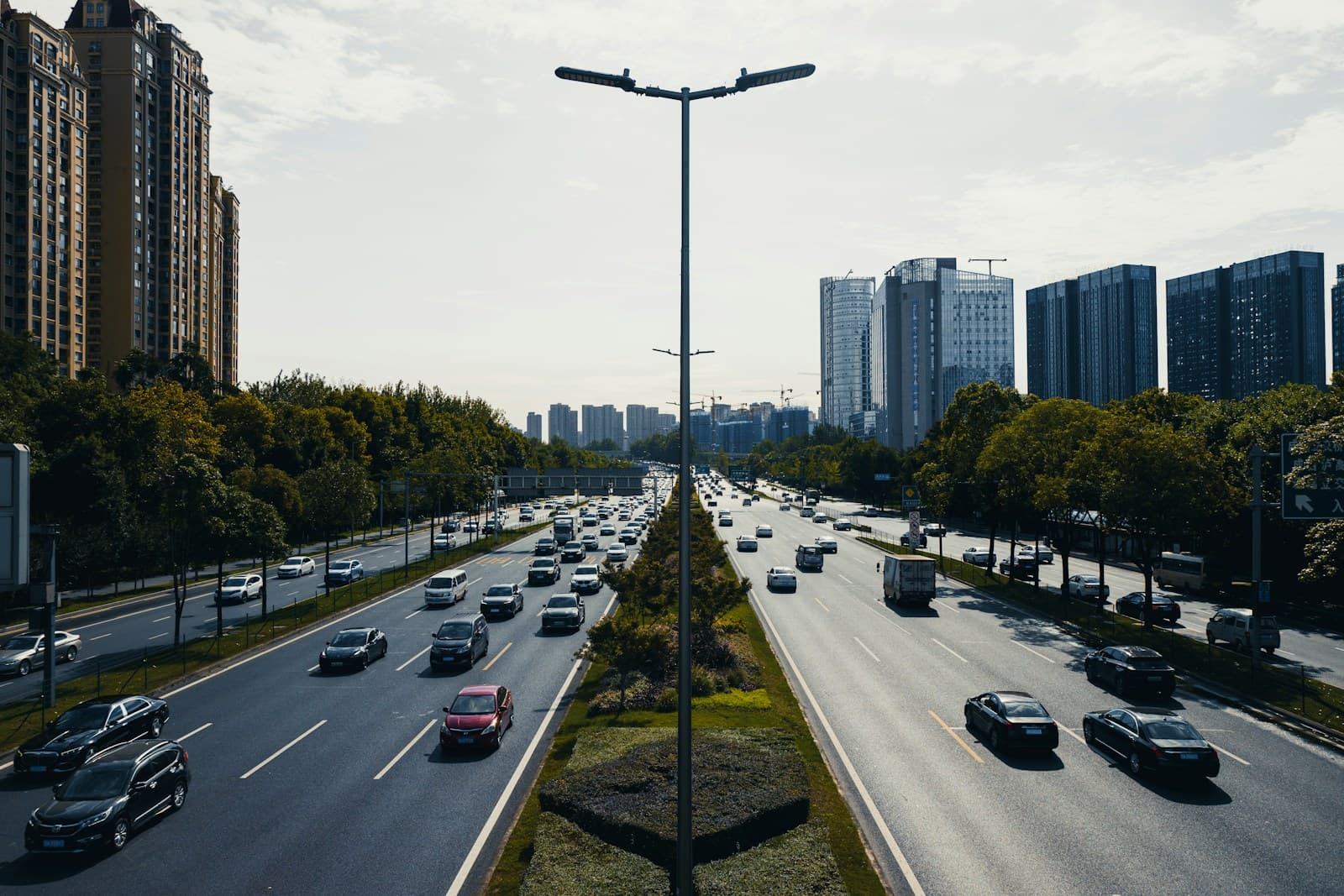
- Downtown and Urban Core Traffic Density: Cleveland's downtown corridor and neighborhoods like Tremont and Detroit-Shoreway have concentrated traffic patterns that increase accident frequency. High-risk drivers in these ZIP codes typically see 12–18% higher premiums compared to suburban Westlake or North Olmsted due to collision risk exposure.
- Lake Erie Winter Weather Conditions: Cleveland sits directly on Lake Erie, creating lake-effect snow that blankets the city from November through March. Drivers with at-fault accidents already on record face steeper comprehensive and collision premiums because insurers price in elevated weather-related claim likelihood during winter months.
- Cuyahoga County Court SR-22 Requirements: Cuyahoga County courts mandate SR-22 certificates for DUI convictions, multiple violations within 12 months, or driving under suspension. The county processes over 10,000 SR-22 filings annually, and insurers with high local volume — typically non-standard carriers — often offer better rates than national brands unfamiliar with Cleveland court workflows.
- High Uninsured Motorist Concentration: Cleveland's uninsured driver rate exceeds the Ohio state average, particularly in East Side neighborhoods. For high-risk drivers, this means uninsured motorist coverage is essential — if an uninsured driver hits you, your violation history already limits your appeal to standard carriers, and a second claim compounds the problem.
- I-90 and I-71 Corridor Enforcement: Ohio State Highway Patrol concentrates DUI and speeding enforcement along I-90 through Cleveland and I-71 south toward Medina County. If you're shopping for high-risk coverage due to a recent violation on these routes, expect carriers to price in elevated enforcement risk — these corridors generate disproportionate ticket volume compared to surface streets.

Find out exactly how long SR-22 is required in your state
Coverage Recommendations
Cost estimates are based on available industry data and vary by driver profile. These are not insurance quotes.
SR-22 Insurance
Ohio requires SR-22 certificates for DUI convictions, license suspensions, or serious violations. Your insurer files the SR-22 directly with the Ohio BMV, and you must maintain it for 3–5 years without lapses — even a single missed payment triggers license suspension. Non-standard carriers in Cleveland like Acceptance, Progressive's non-standard division, and regional high-risk specialists handle most SR-22 policies.
$50 filing fee + higher premiumsEstimated range only. Not a quote.
Liability Insurance
Ohio requires minimum liability limits of 25/50/25 ($25,000 bodily injury per person, $50,000 per accident, $25,000 property damage). High-risk drivers in Cleveland should consider 50/100/50 or higher — if you cause another accident with minimums, out-of-pocket exposure on top of your existing violation history creates compounding financial risk. Urban Cleveland's traffic density increases multi-vehicle accident likelihood.
$180–$380/mo for state minimumsEstimated range only. Not a quote.
Uninsured Motorist Coverage
Cleveland's above-average uninsured driver rate makes this coverage critical for high-risk drivers. If an uninsured driver hits you, this coverage pays your medical bills and vehicle damage without forcing you to file a claim against your own collision policy — preserving your already-stressed claims history. Ohio allows you to reject this coverage in writing, but doing so is high-risk given Cleveland's uninsured motorist concentration.
$25–$60/mo additionalEstimated range only. Not a quote.
Non-Standard Auto Insurance
Non-standard carriers specialize in drivers with DUIs, multiple violations, or SR-22 requirements. In Cleveland, carriers like Acceptance Insurance, Titan, and Gainsco write policies that standard carriers like State Farm or Nationwide decline. Expect monthly payment plans, higher deposits, and stricter cancellation terms — but these carriers offer the most consistent approval for high-risk profiles in Cuyahoga County.
$215–$450/mo typical rangeEstimated range only. Not a quote.