What Affects Rates in Columbus
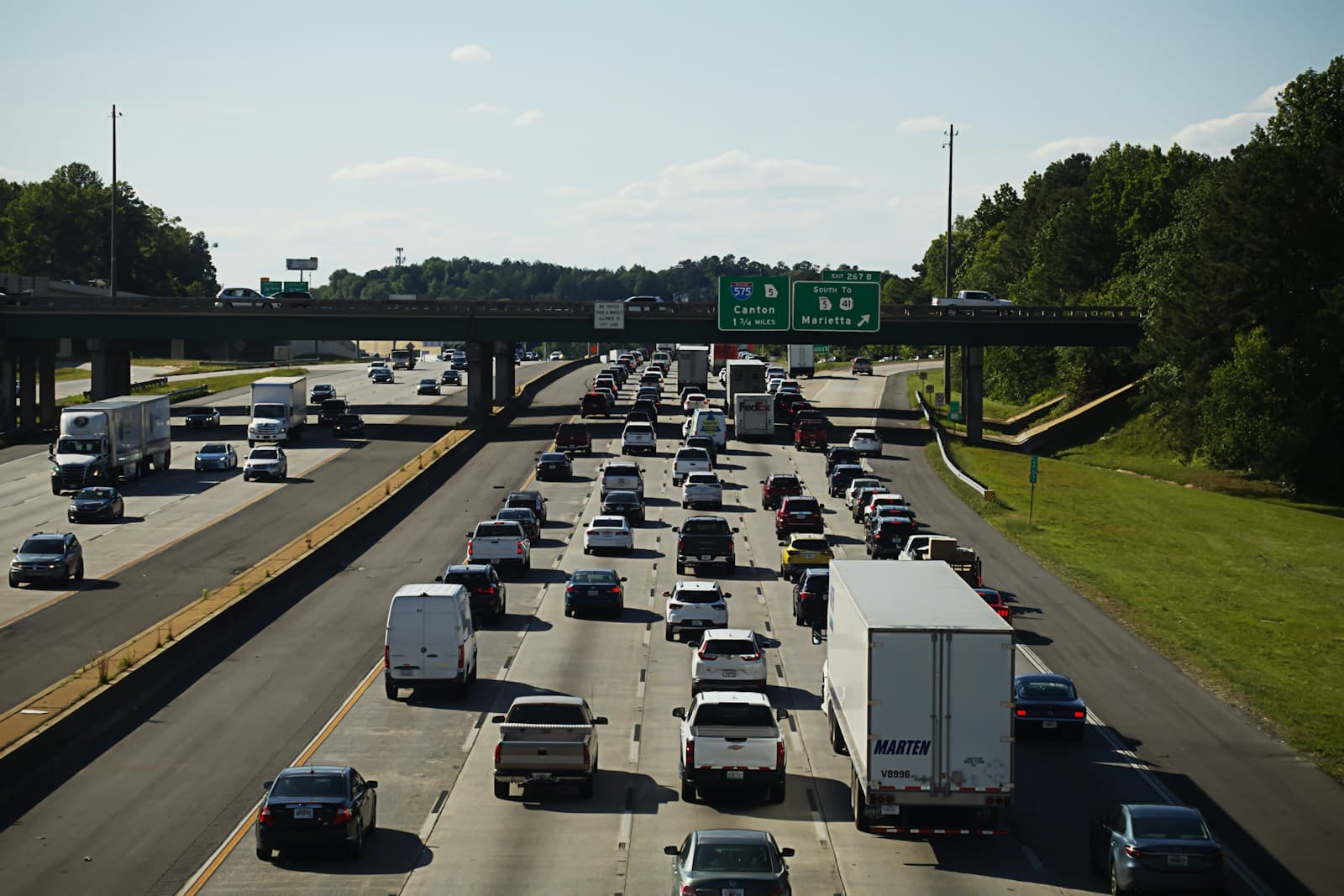
- I-270 and I-71 Accident Corridors: Columbus's outer belt I-270 and the I-71 corridor through downtown see concentrated crash frequency, particularly during morning and evening commutes. High-risk drivers assigned to ZIP codes along these routes—43004, 43085, 43219, 43229—face steeper premiums due to elevated accident exposure documented in Franklin County collision reports.
- Franklin County DUI Court System: Franklin County Municipal Court processes over 3,000 OVI cases annually, with conviction triggering mandatory SR-22 filing. Columbus drivers face longer court-mandated SR-22 periods if multiple offenses occur within 6 years, extending financial impact beyond Ohio's standard 3-year requirement.
- Urban Density and Uninsured Driver Rate: Columbus's urban core—particularly neighborhoods in 43203, 43204, 43211, 43223—shows higher uninsured motorist rates than suburban Delaware or Fairfield County areas. High-risk drivers in these ZIP codes pay more for uninsured motorist coverage, which becomes critical given at-fault system exposure.
- Winter Weather Impact on Violation History: Central Ohio averages 28 inches of snow annually, with ice storms creating hazardous conditions on Route 315 and I-670. Drivers with existing at-fault accidents or weather-related violations see compounded rate increases, as carriers view winter claim history as predictive of future risk in Columbus.
- Non-Standard Carrier Availability: Columbus has active non-standard and assigned-risk market presence, but carriers tighten underwriting for drivers with multiple DUIs or lapses exceeding 90 days. Drivers in outlying areas like Grove City or Reynoldsburg may access slightly more competitive non-standard options than those in densest Franklin County zones.

Find out exactly how long SR-22 is required in your state
Coverage Recommendations
Cost estimates are based on available industry data and vary by driver profile. These are not insurance quotes.
SR-22 Insurance
Ohio requires SR-22 filing after DUI, reckless operation, driving under suspension, or multiple violations within 12 months. Your insurer files form SR-22 with Ohio BMV electronically; any lapse triggers license suspension, restarting the 3-year clock.
$50–$65 filing fee, plus premium increase of 60–180%Estimated range only. Not a quote.
Liability Insurance
Ohio mandates 25/50/25 minimums, but high-risk drivers in Columbus should consider 50/100/50 or higher given at-fault exposure and higher uninsured motorist concentrations in Franklin County. Minimum coverage leaves you personally liable for excess damages in serious I-270 or downtown collisions.
$125–$280/mo for minimum; $180–$390/mo for 50/100/50Estimated range only. Not a quote.
Uninsured Motorist Coverage
Columbus's urban ZIP codes show elevated uninsured driver rates, making UM/UIM coverage essential for high-risk drivers who cannot afford out-of-pocket costs after a hit from an uninsured motorist. Ohio does not mandate this coverage, but non-standard carriers often recommend it given local exposure.
$15–$45/mo additional for 50/100 UM/UIMEstimated range only. Not a quote.
Non-Standard Auto Insurance
Drivers with multiple DUIs, SR-22 requirements, or lapses exceeding 6 months typically move to non-standard carriers or Ohio's assigned-risk plan. Columbus has regional non-standard providers serving Franklin County, though premiums run 150–250% above standard market rates based on violation severity and ZIP code.
$200–$450/mo typical rangeEstimated range only. Not a quote.