What Affects Rates in Springfield
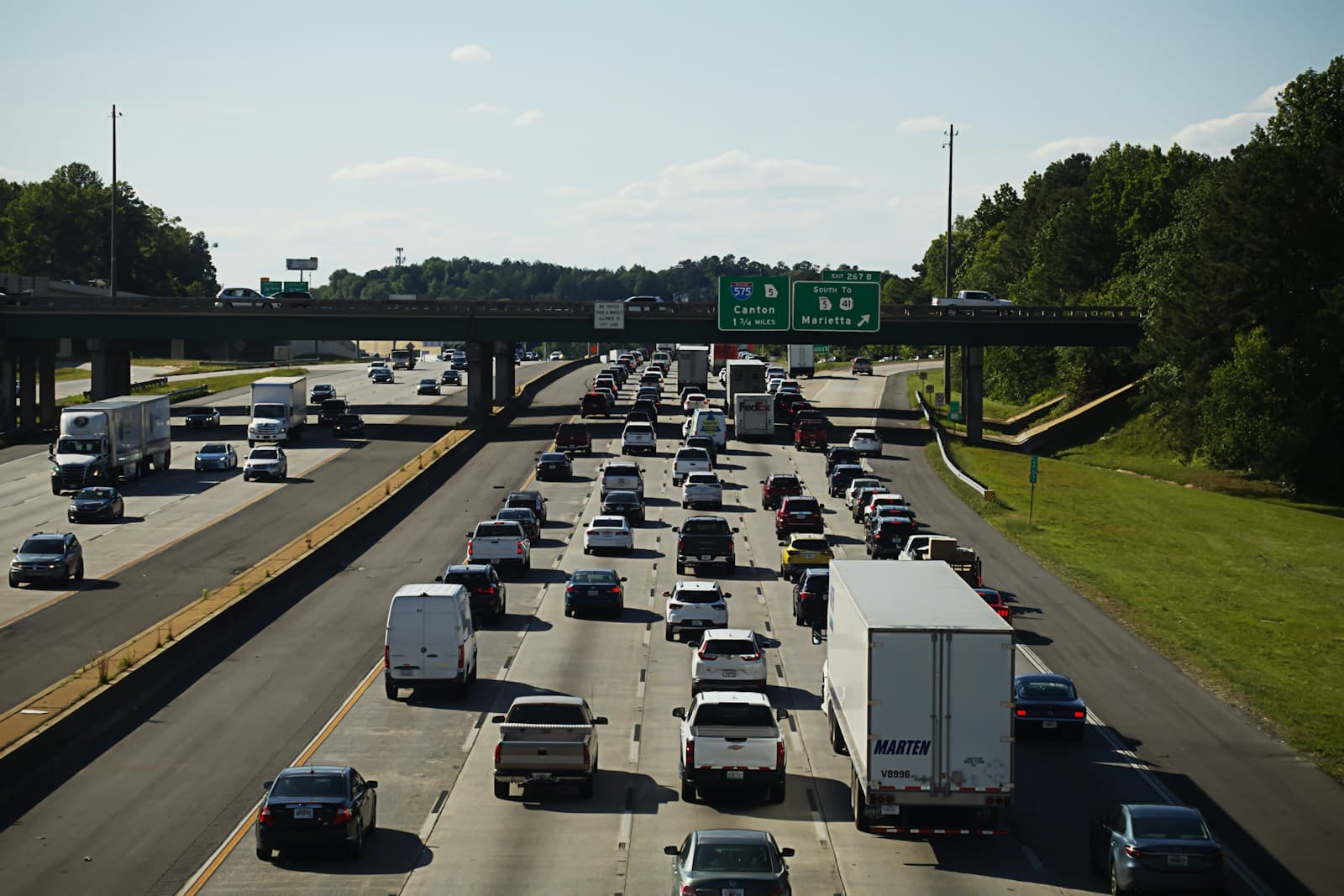
- I-5 and Gateway Corridor Density: Springfield sits directly on the I-5 corridor with heavy commercial traffic through Gateway Street and Main Street intersections. High-risk drivers face steeper premiums here due to elevated accident frequency in these zones, particularly for those with at-fault accidents already on record.
- Lane County Uninsured Driver Rate: Lane County consistently reports uninsured motorist claims above Oregon's state median. Carriers price this risk into SR-22 and high-risk policies, making uninsured/underinsured motorist coverage more expensive but critical for drivers who can't afford another at-fault incident.
- Eugene-Springfield Metro Shared Risk Pool: Insurers treat Springfield and Eugene as a shared metro area for rating purposes. Eugene's urban density, higher theft rates, and student population congestion in certain zones mean Springfield residents pay rates reflecting the combined metro risk profile, not just Springfield's lower-density areas.
- Winter Weather and I-105 Exposure: Springfield's position along the McKenzie River corridor means frequent winter fog and ice on I-105 and River Road. Drivers with prior weather-related at-fault accidents or DUIs see compounded rate increases due to seasonal accident spikes in these conditions.
- Oregon DMV SR-22 Monitoring: Oregon DMV requires continuous SR-22 certification for the full 3-year period with zero lapses. A single day without coverage triggers a restart of the entire 3-year clock and immediate license suspension, so non-standard carriers in Springfield that specialize in SR-22 compliance monitoring are worth the premium.
Find out exactly how long SR-22 is required in your state
Coverage Recommendations
Cost estimates are based on available industry data and vary by driver profile. These are not insurance quotes.
SR-22 Insurance
Required for DUI convictions, multiple violations, or driving uninsured in Oregon. The SR-22 itself is a certification your insurer files with Oregon DMV proving you carry at least state minimum liability: 25/50/20. The filing costs $25–$50 one-time, but underlying high-risk policy premiums run $150–$350/month in Springfield based on available data.
$150–$350/month for policy + $25–$50 filing feeEstimated range only. Not a quote.
Liability Insurance
Oregon minimums are $25,000 per person/$50,000 per accident for bodily injury and $20,000 property damage. High-risk drivers should consider higher limits — 50/100/50 or 100/300/100 — because a second at-fault accident with minimum coverage can trigger personal asset exposure and further license action in Springfield's congested I-5 corridor.
Minimums: $100–$250/mo for high-risk profilesEstimated range only. Not a quote.
Uninsured Motorist Coverage
Lane County sees uninsured motorist claims above state median. For drivers with DUIs or SR-22 requirements who can't afford another at-fault incident, UM/UIM coverage protects you when hit by an uninsured driver. Oregon requires insurers to offer this; rejection must be in writing.
Adds $15–$40/month to high-risk policiesEstimated range only. Not a quote.
Non-Standard Auto Insurance
Non-standard carriers like Bristol West, The General, and regional providers operate in Springfield and specialize in DUI, SR-22, and lapse cases that standard carriers decline. Premiums are higher but coverage is available, and rates drop as your 3-year SR-22 period expires and violations age off your Oregon driving record.
$150–$350/month typical rangeEstimated range only. Not a quote.