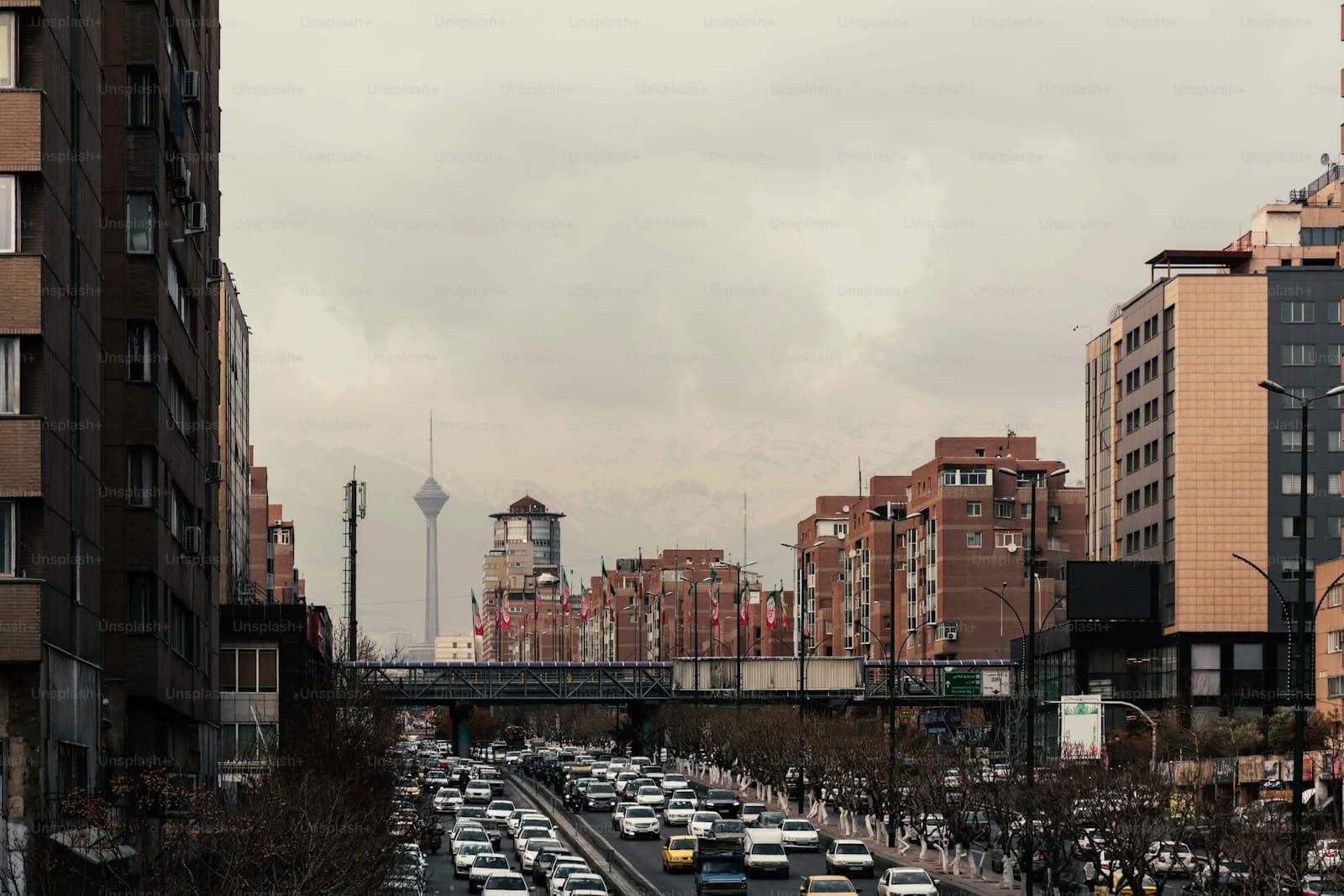
What Affects Rates in Pittsburgh
- Urban Traffic Density: Pittsburgh's dense street grid, tunnels, and bridge choke points create higher accident frequency in neighborhoods like Squirrel Hill, Oakland, and the North Shore. High-risk drivers in urban zones typically pay 15–25% more than those in suburban Allegheny County areas like Moon Township or Upper St. Clair.
- Winter Road Conditions: Steep hills and freeze-thaw cycles make Pittsburgh winters particularly hazardous, with ice-related accidents spiking on inclines in Mt. Washington, Polish Hill, and the South Side Slopes. Carriers price comprehensive and collision higher for drivers with at-fault winter accidents already on record.
- Court and Reinstatement Processing: Allegheny County Court of Common Pleas handles DUI cases, and PennDOT reinstatement timelines can extend 6–12 months for major violations. Carriers verify SR-22 compliance through PennDOT's electronic filing system, and any lapse restarts the 3-year requirement clock.
- Limited Public Transit Coverage: Port Authority bus and light rail coverage is concentrated downtown and along major corridors, leaving drivers in Brookline, Carrick, and outlying neighborhoods car-dependent. Carriers recognize this and rarely offer policy discounts for reduced mileage in these areas.
- Uninsured Motorist Exposure: Pennsylvania's 7% uninsured driver rate is below the national average, but pockets of higher concentration exist in lower-income neighborhoods. High-risk drivers should consider uninsured motorist coverage limits matching their liability, as another at-fault accident—even if the other party is uninsured—will further elevate rates.

Find out exactly how long SR-22 is required in your state
Coverage Recommendations
Cost estimates are based on available industry data and vary by driver profile. These are not insurance quotes.
SR-22 Insurance
Pennsylvania requires SR-22 filing for DUI convictions, multiple moving violations within 12 months, driving without insurance, and license suspensions. The SR-22 itself is a certificate your insurer files with PennDOT proving you carry at least state minimum liability; the filing costs $25–$50, but the underlying high-risk policy drives the premium increase.
$25–$50 filing fee; policy rates $180–$350/monthEstimated range only. Not a quote.
Liability Insurance
Pennsylvania's minimum liability limits are $15,000 per person for bodily injury, $30,000 per accident, and $5,000 for property damage. High-risk drivers should consider higher limits ($50,000/$100,000/$50,000 or greater) because another at-fault accident with minimum coverage can expose you to personal liability if damages exceed your policy limits.
Minimum coverage: $150–$280/month for high-risk driversEstimated range only. Not a quote.
Uninsured Motorist Coverage
Pennsylvania law requires insurers to offer uninsured/underinsured motorist coverage matching your liability limits, and you must reject it in writing. For high-risk drivers who cannot afford another claim, this coverage protects you if you're hit by an uninsured driver—particularly important given that 7% of Pennsylvania drivers operate without coverage.
Adds $15–$40/month to high-risk policiesEstimated range only. Not a quote.
Full Coverage
Full coverage (liability plus collision and comprehensive) is required if you finance or lease a vehicle, and costs $220–$400/month for high-risk drivers in Pittsburgh. Lenders require proof of continuous coverage, and any lapse can trigger forced-place insurance at even higher rates or loan default.
$220–$400/month based on violation severityEstimated range only. Not a quote.