What Affects Rates in Fort Worth
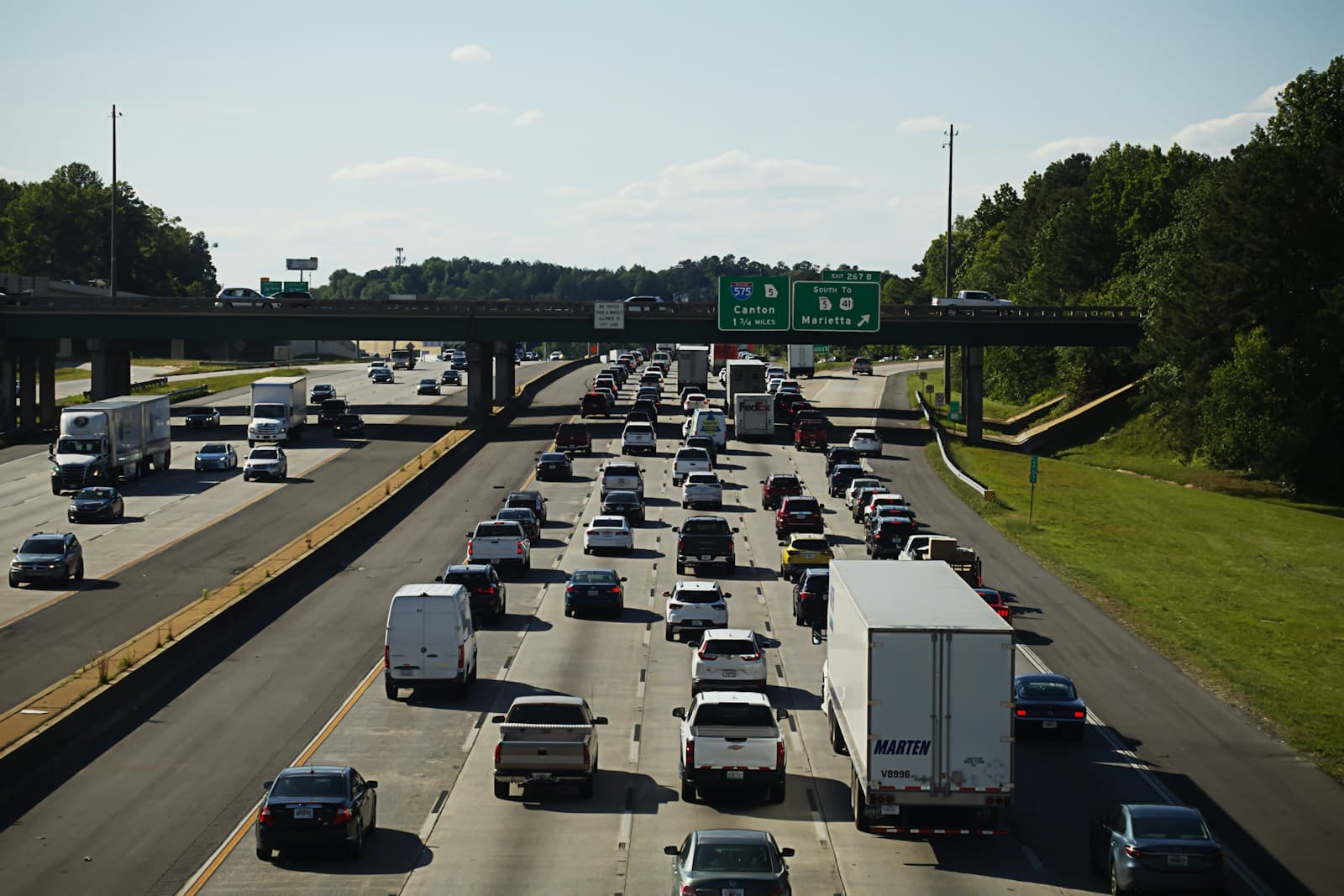
- DFW Metro Traffic Congestion: Fort Worth sits in one of the nation's most congested metro areas, with I-35W, I-30, and the I-820 loop generating high accident frequency. High-risk drivers face steeper premiums here than in lower-density Texas cities because insurers price for elevated collision probability in heavy traffic corridors.
- Tarrant County Court Requirements: DUI convictions processed through Tarrant County courts trigger mandatory SR-22 filing for two years, with zero tolerance for lapses—any coverage gap restarts the clock. The county's centralized court system processes high volumes of traffic violations, meaning insurers here specialize in post-conviction coverage.
- High Uninsured Driver Concentration: Texas has one of the highest uninsured driver rates nationally at 14.6%, with urban areas like Fort Worth tracking near or above that average. This pushes uninsured/underinsured motorist coverage costs higher for all drivers, and carriers often require it for high-risk policies.
- Hail and Severe Weather Patterns: Fort Worth's position in North Texas exposes it to frequent hail storms and severe weather, particularly March through May. High-risk drivers carrying comprehensive coverage (often required for financed vehicles) pay elevated rates due to regional claim frequency for weather damage.
- Non-Standard Carrier Availability: Fort Worth's size supports multiple non-standard and specialty carriers that write SR-22 and high-risk policies, providing more competitive options than rural Texas markets. This carrier density can create modest rate competition even for drivers with DUIs or multiple violations.

Find out exactly how long SR-22 is required in your state
Coverage Recommendations
Cost estimates are based on available industry data and vary by driver profile. These are not insurance quotes.
SR-22 Insurance
Texas requires SR-22 filing for DUI convictions, license suspensions, at-fault accidents without insurance, and repeat violations. The SR-22 itself is a liability certificate filed by your insurer to the Texas DPS—coverage must remain continuous for two years, and any lapse triggers license re-suspension and restarts the filing period.
$25–$50 filing fee plus elevated premiumEstimated range only. Not a quote.
Liability Insurance
Texas minimums are 30/60/25 ($30k per person injury, $60k per accident injury, $25k property damage). High-risk drivers in Fort Worth typically pay $150–$300/month for state minimum liability with SR-22, with DUI offenders and those with multiple at-fault accidents at the higher end. Non-standard carriers may require higher limits to write the policy.
$1,800–$3,600/year for minimumsEstimated range only. Not a quote.
Uninsured Motorist Coverage
With approximately 15% of Fort Worth metro drivers uninsured, this coverage protects you when an at-fault driver has no insurance. Texas requires insurers to offer UM/UIM at the same limits as your liability, and many non-standard carriers writing SR-22 policies mandate acceptance rather than allowing rejection.
Adds $200–$600/year to high-risk policiesEstimated range only. Not a quote.
Non-Standard Auto Insurance
Non-standard carriers specialize in high-risk profiles—DUIs, suspensions, lapses, and multiple violations—that standard insurers decline. Fort Worth has access to regional and national non-standard markets, often with higher premiums but flexible underwriting and immediate SR-22 filing capability.
Premiums 2–4x standard market ratesEstimated range only. Not a quote.