What Affects Rates in Frisco
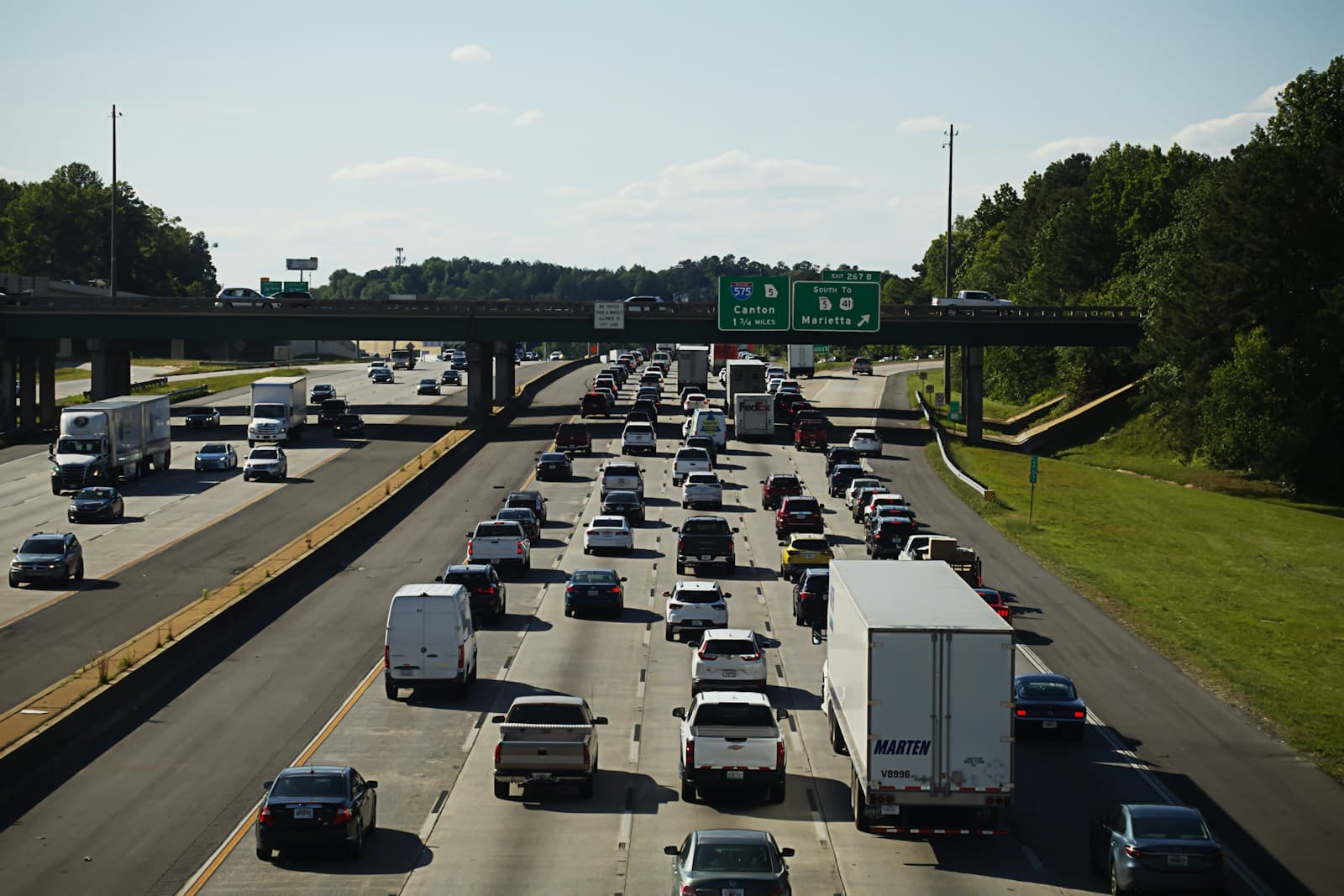
- US-380 Corridor Growth: US-380 through Frisco has become one of North Texas's most congested corridors, with rapid commercial and residential development driving accident frequency higher. High-risk drivers face elevated premiums due to increased collision exposure on this east-west route connecting to McKinney and Denton.
- Dallas North Tollway Traffic Density: The Dallas North Tollway serves as Frisco's primary north-south artery, with heavy commuter and commercial traffic. Violations and at-fault accidents on toll roads often result in stricter underwriting, as carriers view toll route incidents as higher-severity claims.
- Collin County Court System: Collin County processes DUI and reckless driving cases through courts in McKinney, where conviction rates and SR-22 filing requirements follow strict enforcement patterns. Drivers convicted in Collin County typically face the full 2-year SR-22 period without early termination options.
- Rapid Population Growth Impact: Frisco's population has grown from under 34,000 in 2000 to over 200,000 today, straining road infrastructure and increasing accident rates. Insurers price high-risk policies higher in fast-growth suburbs due to rising claims frequency and delayed infrastructure expansion.
- High Uninsured Driver Concentration: Texas's 21% uninsured motorist rate—one of the highest in the nation—directly affects Frisco drivers. High-risk drivers should prioritize uninsured motorist coverage, as accidents with uninsured drivers can trigger rate increases even when not at fault.
Find out exactly how long SR-22 is required in your state
Coverage Recommendations
Cost estimates are based on available industry data and vary by driver profile. These are not insurance quotes.
SR-22 Insurance
SR-22 is a certificate filed by your insurer with the Texas DPS proving you carry minimum 30/60/25 liability. In Frisco, non-standard carriers file SR-22s for $15–$25, and you must maintain continuous coverage for 2 years—any lapse triggers license suspension and restarts the clock.
$15–$25 filing feeEstimated range only. Not a quote.
Liability Insurance
Texas requires 30/60/25 liability minimums, but high-risk drivers in Frisco should consider 50/100/50 or higher due to the city's high property values and medical costs. At-fault accidents with insufficient liability can result in lawsuits and wage garnishment under Texas law.
$125–$275/month for high-riskEstimated range only. Not a quote.
Uninsured Motorist Coverage
With Texas's 21% uninsured rate and Frisco's congested corridors, uninsured motorist coverage protects you when hit by drivers with no insurance. Particularly critical for high-risk drivers, as another accident—even not-at-fault—can make coverage unaffordable or unavailable.
$20–$50/month additionalEstimated range only. Not a quote.
Non-Standard Auto Insurance
Non-standard carriers in Collin County specialize in high-risk profiles including DUIs, multiple violations, and SR-22 requirements. These policies cost more but offer coverage when standard carriers decline, with rates decreasing as your violation dates age beyond 3–5 years.
$175–$350/month full coverageEstimated range only. Not a quote.