What Affects Rates in Lubbock
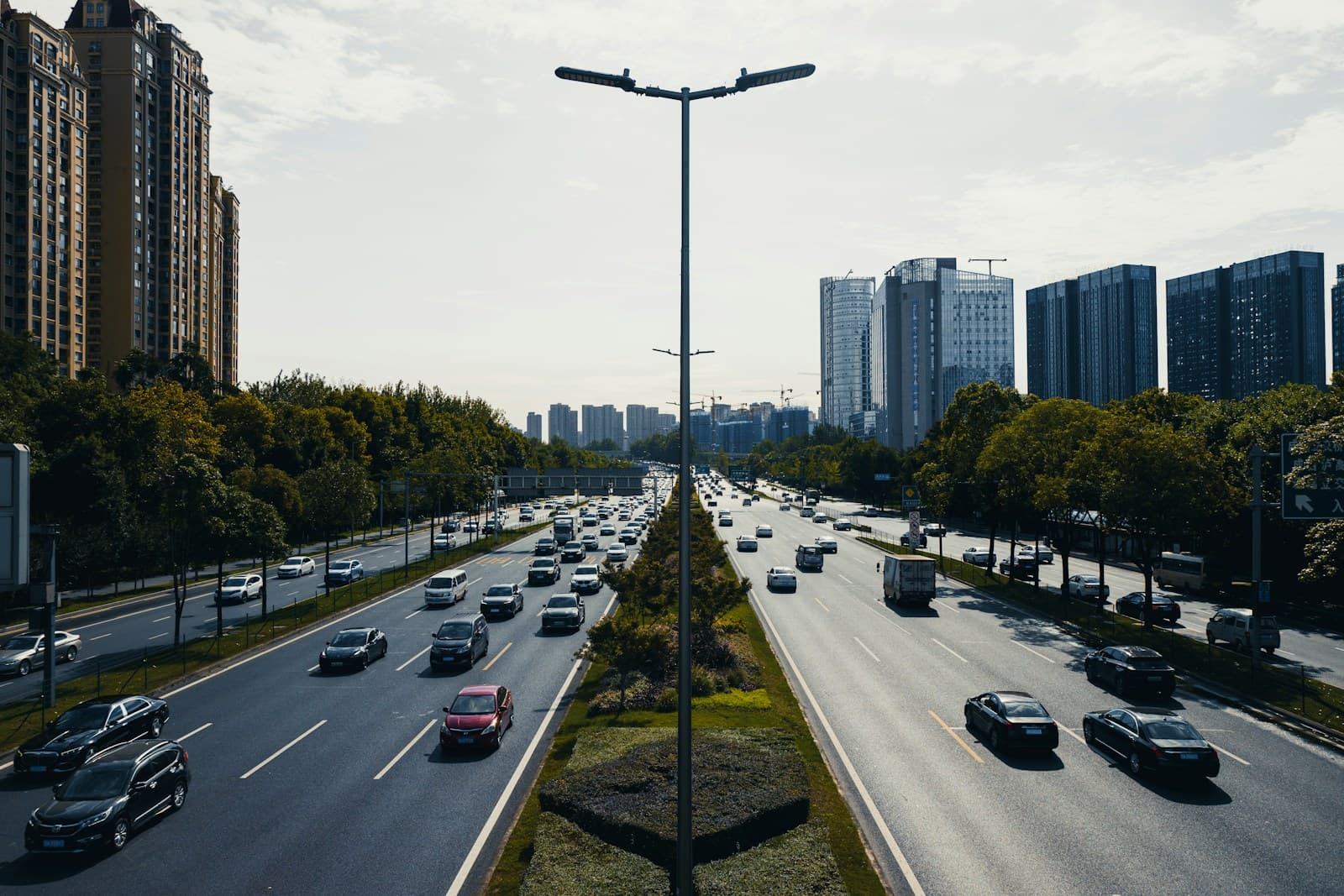
- Lubbock's Sprawling Layout and Highway Corridors: Lubbock's grid system and major arteries like Loop 289, I-27, and US-82 create higher-speed collision exposure than compact urban areas, elevating premiums for drivers with at-fault accidents already on record. Carriers price DUI and reckless driving violations higher here due to freeway-heavy commute patterns.
- West Texas Uninsured Driver Concentration: Texas ranks among the top 10 states for uninsured motorists at 14.1% statewide, with rural West Texas counties often exceeding 18%. High-risk drivers in Lubbock face steeper uninsured motorist coverage costs because carriers anticipate higher claim frequency from uninsured collisions.
- Severe Weather and Hail Risk: Lubbock sits in a high-frequency hail zone with spring supercells causing significant vehicle damage annually. Comprehensive coverage—often required alongside SR-22 liability if you carry a loan—costs more here due to elevated weather-related claims, compounding high-risk driver premiums.
- Proportionate Responsibility Fault System: Texas uses modified comparative fault with a 51% bar, meaning if you're 50% or less at fault in a future accident, you can recover reduced damages. For drivers with prior at-fault accidents, this system can mitigate some liability exposure, but carriers still price your history aggressively.
- Limited Public Transit Options: Citibus serves limited routes, so most Lubbock residents drive daily regardless of record status. Lack of transit alternatives means high-risk drivers can't reduce exposure by driving less, and carriers know policy cancellation or lapse risks are lower—sometimes resulting in slightly more competitive non-standard pricing.

Find out exactly how long SR-22 is required in your state
Coverage Recommendations
Cost estimates are based on available industry data and vary by driver profile. These are not insurance quotes.
SR-22 Insurance
Texas requires SR-22 for DUI, multiple violations, at-fault accidents without insurance, or driving without a license. Your insurer files the certificate electronically with DPS; the $25 filing fee is separate from premium increases, which typically double or triple your previous rate depending on violation severity.
$25 filing + 100–200% premium increaseEstimated range only. Not a quote.
Liability Insurance
Texas mandates 30/60/25 minimums ($30k per person injury, $60k per accident injury, $25k property damage). High-risk drivers in Lubbock often pay $120–$250/month for state minimums alone; increasing to 50/100/50 adds $30–$60/month but reduces out-of-pocket exposure if you cause another accident.
$120–$250/month for 30/60/25Estimated range only. Not a quote.
Uninsured Motorist Coverage
Not required in Texas, but critical in Lubbock given West Texas's 15–18% uninsured driver estimates. Adds $15–$40/month for high-risk policies and covers your injuries and vehicle damage when an uninsured driver hits you, protecting assets you can't afford to lose after recent violations.
$15–$40/month added costEstimated range only. Not a quote.
Non-Standard Auto Insurance
Carriers like Acceptance, Direct Auto, and The General operate in Lubbock and specialize in DUI, suspended license, and lapsed coverage cases. Expect higher down payments (25–50% of six-month premium) and monthly payment plans with fees, but approval rates are significantly higher than standard market.
25–50% down payment typicalEstimated range only. Not a quote.