What Affects Rates in Chesapeake
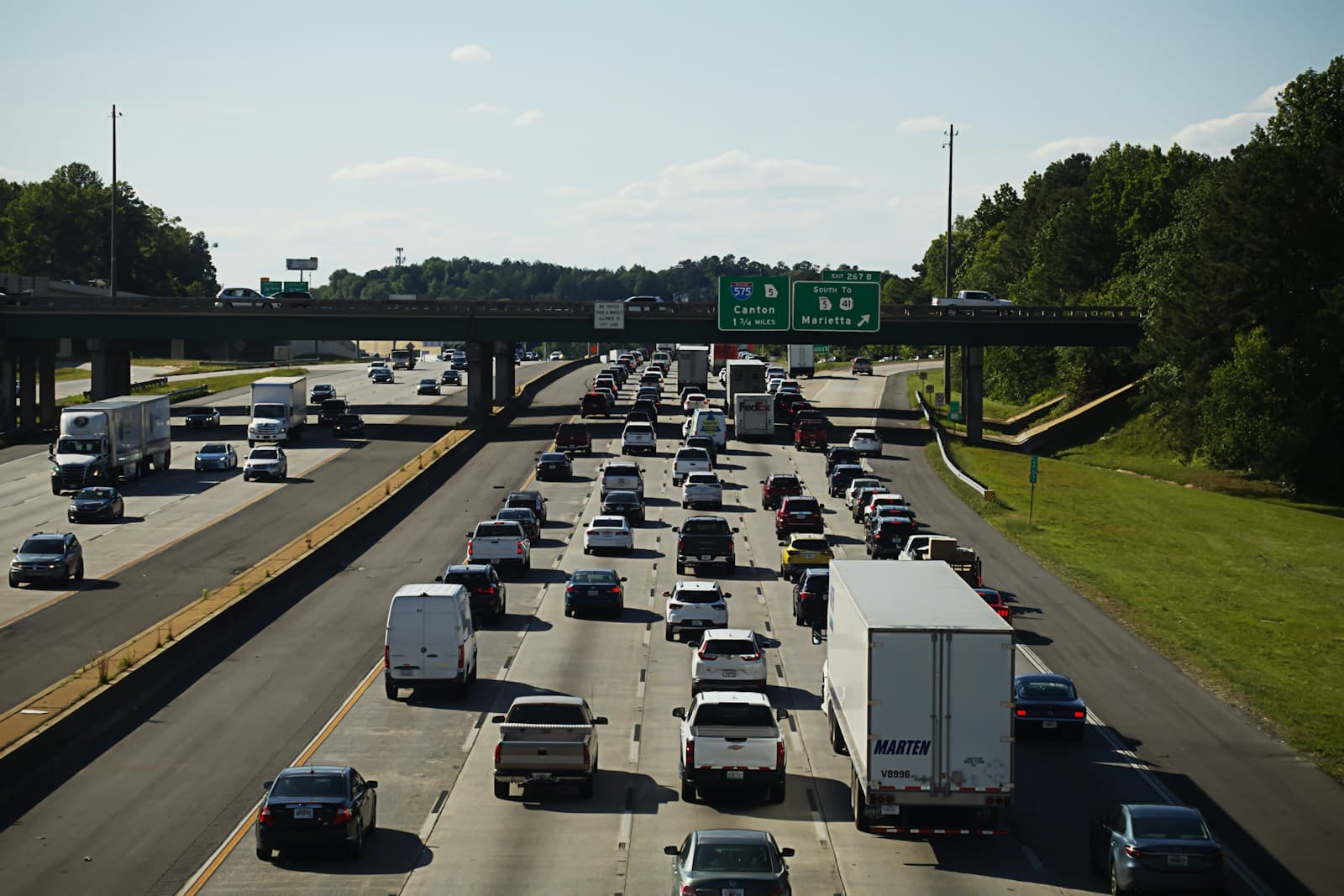
- I-64 and Hampton Roads Commute Density: Chesapeake sits at the junction of I-64, I-464, and the Hampton Roads metro area, creating daily congestion and elevated rear-end collision rates that push high-risk premiums 12–18% higher than rural Virginia markets. Drivers with at-fault accidents face compounded rate increases due to corridor claim frequency.
- Uninsured Driver Concentration: Hampton Roads ranks among Virginia's highest regions for uninsured motorists, with concentrations along the Deep Creek and South Norfolk corridors. High-risk drivers should prioritize uninsured motorist coverage as accidents with uncovered drivers eliminate subrogation options and can trigger license suspension if SR-22 lapses.
- Virginia Contributory Negligence Law: Virginia applies pure contributory negligence—if you are found even 1% at fault in an accident, you recover nothing from the other party. High-risk drivers with existing violations cannot afford any degree of fault, making higher liability limits and collision coverage essential despite increased cost.
- Elizabeth River Tunnels and Bridge Traffic: Daily bridge and tunnel crossings to Norfolk Naval Station and Portsmouth create bottleneck collision zones. Drivers with SR-22 requirements face steeper rate increases in zip codes 23320, 23322, and 23323 due to claim density near Downtown Tunnel and Midtown Tunnel approaches.
- Court and DMV SR-22 Filing Requirements: Chesapeake General District Court and Virginia Beach Circuit Court process most local DUI and reckless driving cases. Virginia DMV requires continuous SR-22 filing—any lapse triggers automatic 30-day license suspension and restarts the 3-year period, making non-standard carriers with grace periods critical.
Find out exactly how long SR-22 is required in your state
Coverage Recommendations
Cost estimates are based on available industry data and vary by driver profile. These are not insurance quotes.
SR-22 Insurance
Required after DUI, reckless driving (20+ mph over limit), driving on suspended license, or multiple violations in 12 months. The SR-22 itself costs $50 to file; the underlying liability policy for high-risk drivers in Chesapeake runs $1,800–$3,600/year based on violation type and prior coverage history.
$50 filing + $1,800–$3,600/year base policyEstimated range only. Not a quote.
Liability Insurance
Virginia requires $25,000 per person/$50,000 per accident bodily injury and $20,000 property damage. High-risk drivers in Chesapeake should carry $100,000/$300,000/$100,000 minimum due to contributory negligence law—any shared fault eliminates recovery, so higher limits protect assets in at-fault scenarios.
State minimum: $1,500–$2,800/year; $100K/$300K: $2,200–$4,200/yearEstimated range only. Not a quote.
Uninsured Motorist Coverage
Hampton Roads' elevated uninsured driver rates make UM/UIM coverage essential for high-risk drivers who cannot afford gaps. Covers your injuries and vehicle damage when hit by an uninsured or underinsured driver—critical in I-64 corridor accidents where fault determination delays are common.
$200–$500/year added to high-risk policyEstimated range only. Not a quote.
Non-Standard Auto Insurance
Carriers like Dairyland, The General, and National General specialize in DUI, multiple violations, and lapsed coverage. These policies cost 40–75% more than standard markets but offer same-day SR-22 filing and reinstatement assistance through local Hampton Roads agents familiar with Chesapeake DMV processes.
$2,200–$4,000/year depending on violation severityEstimated range only. Not a quote.