What Affects Rates in Tacoma
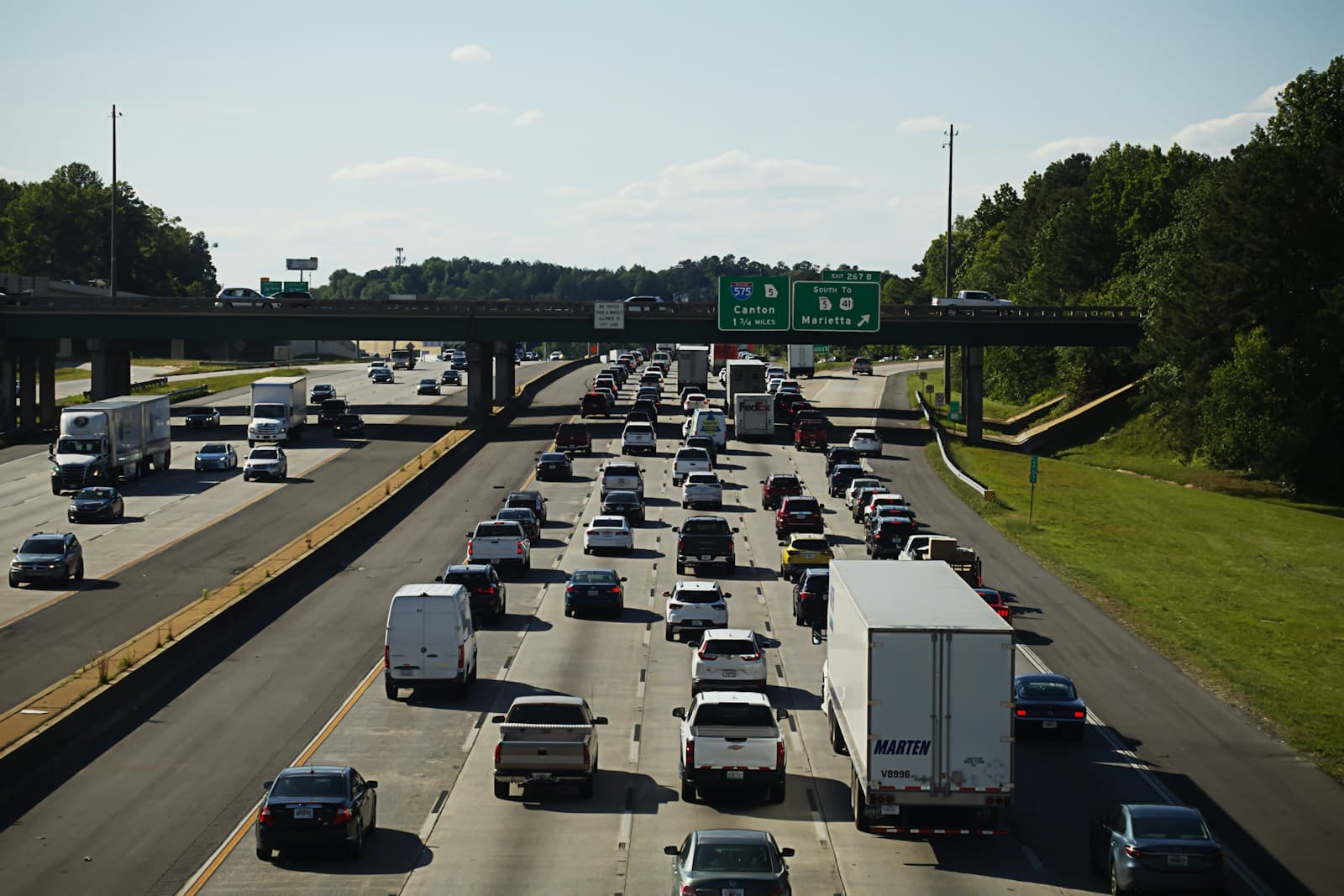
- I-5 Corridor Congestion: Tacoma's position on the I-5 corridor between Seattle and Olympia creates high-density commuter traffic, particularly near Joint Base Lewis-McChord and the Port of Tacoma. For drivers with at-fault accidents or multiple violations already on record, operating in this high-accident corridor pushes premiums into the upper end of the high-risk range.
- Pierce County Uninsured Driver Concentration: Pierce County consistently reports uninsured motorist rates above Washington's state average, particularly in Tacoma's urban core. Drivers with SR-22 requirements face elevated uninsured motorist coverage costs as insurers price for the increased likelihood of hit-and-run or uninsured at-fault scenarios.
- Tacoma Municipal Court DUI Volume: Tacoma Municipal Court processes a significant volume of DUI cases annually, with many resulting in mandatory SR-22 filings. Insurers track ZIP-code-level DUI conviction density when underwriting high-risk policies, and Tacoma's urban concentration directly impacts non-standard premium calculations.
- Port and Industrial Traffic Patterns: Heavy commercial truck traffic around the Port of Tacoma and industrial Tideflats area increases collision severity risk. High-risk drivers working or commuting through these areas see higher liability premium loadings, as insurers account for the greater financial exposure in accidents involving commercial vehicles.
- Weather-Related Incident Rates: Tacoma's frequent rain and fog contribute to seasonal spikes in rear-end collisions and lane-departure accidents, particularly on SR-16 and I-705. Drivers with existing weather-related violations or at-fault accidents face compounded rate increases, as insurers view weather-related history in high-precipitation zones as predictive of future claims.
Find out exactly how long SR-22 is required in your state
Coverage Recommendations
Cost estimates are based on available industry data and vary by driver profile. These are not insurance quotes.
SR-22 Insurance
Washington requires SR-22 certificates following DUI convictions, driving-without-insurance citations, multiple serious violations, or license suspensions. The certificate itself costs $25–$50 to file, but underlying high-risk auto insurance premiums in Tacoma range from $150–$350/month depending on violation severity and driving history.
$25–$50 filing + $150–$350/mo coverageEstimated range only. Not a quote.
Liability Insurance
Washington mandates minimum liability limits of 25/50/10 ($25,000 bodily injury per person, $50,000 per accident, $10,000 property damage). High-risk drivers in Tacoma should consider higher limits—50/100/50 or 100/300/100—as at-fault accidents on already-compromised records trigger severe financial exposure, and Pierce County's legal environment can produce judgments exceeding minimums.
State minimums inadequate for prior violationsEstimated range only. Not a quote.
Uninsured Motorist Coverage
Pierce County's elevated uninsured driver rate makes this coverage critical for high-risk drivers in Tacoma. If an uninsured motorist causes an accident and you hold an SR-22, your insurer will scrutinize the claim closely—carrying uninsured/underinsured motorist coverage at limits matching your liability policy protects against out-of-pocket medical and repair costs.
Essential given Pierce County uninsured ratesEstimated range only. Not a quote.
Non-Standard Auto Insurance
Drivers with DUIs, multiple violations, or recent lapses in Tacoma typically need non-standard carriers specializing in high-risk profiles. These insurers file SR-22 certificates directly with Washington DOL and offer policies structured for drivers standard carriers decline, though premiums remain significantly higher until violation points age off and SR-22 periods expire.
$150–$350/mo typical rangeEstimated range only. Not a quote.