
Cheapest Non-Owner SR-22 After DUAC in South Carolina
Get SR-22 Quotes NowWhat Non-Owner SR-22 Costs After a DUAC in South Carolina
Non-owner SR-22 policies in South Carolina after a DUAC typically run $35–$65/mo, compared to $85–$140/mo for standard owner SR-22 coverage. The non-owner policy covers liability when you drive a vehicle you don't own — it does not insure a specific vehicle, which is why it costs less.
South Carolina requires minimum liability limits of 25/50/25 ($25,000 bodily injury per person, $50,000 per accident, $25,000 property damage). Your non-owner SR-22 must meet or exceed these minimums. Most carriers price non-owner policies at these minimum limits for DUAC filers because the risk pool is smaller and the coverage narrower.
The SR-22 filing itself is a $25–$50 one-time fee paid to the carrier, not the state. South Carolina does not charge a separate DMV filing fee for the SR-22 certificate. Your carrier files electronically with SCDMV, and you receive a copy for your records. The 3-year filing period starts the day SCDMV receives the electronic filing, not the day you purchase the policy.
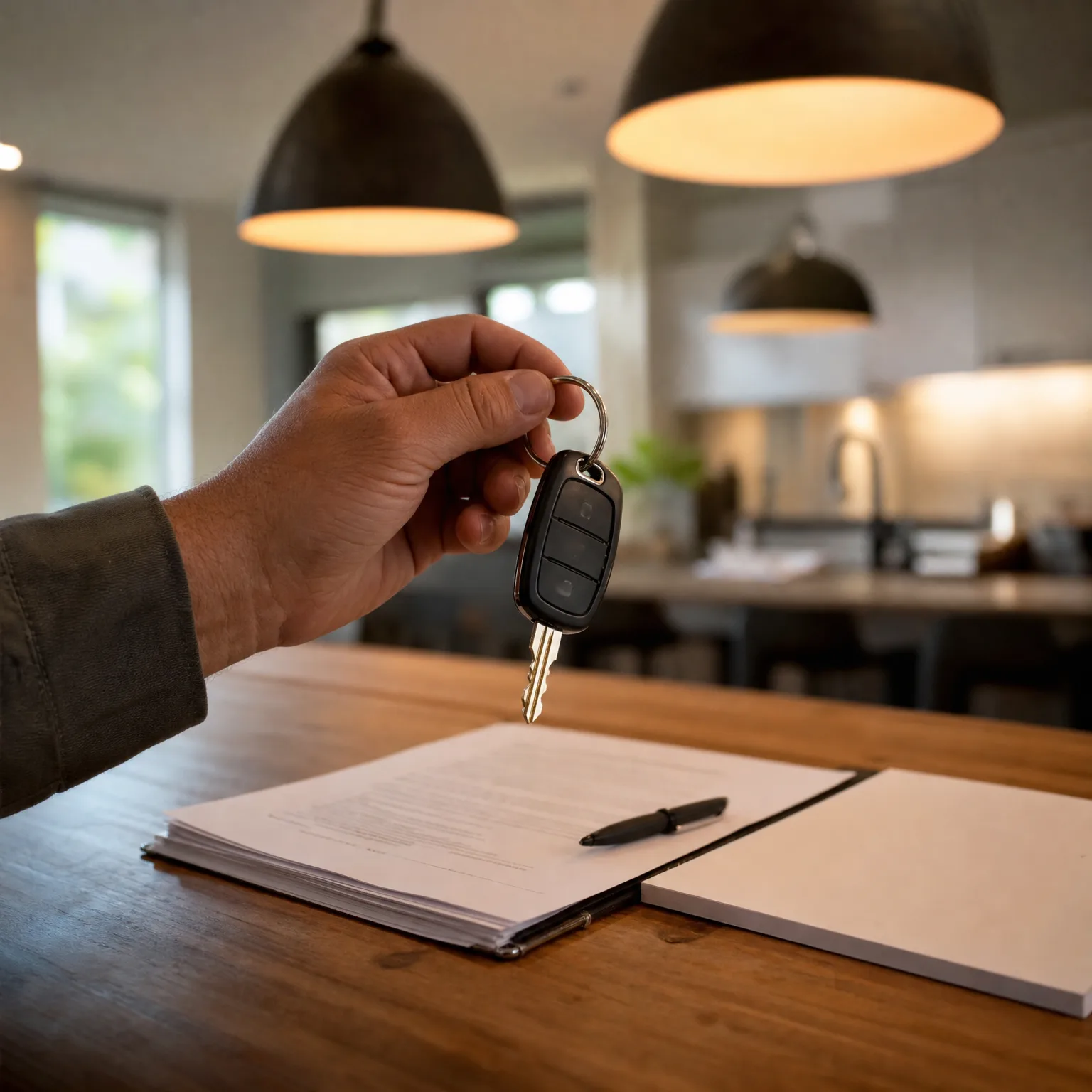
Which Carriers Write Non-Owner SR-22 for DUAC Filers in South Carolina
Not every carrier writes non-owner SR-22 policies, and availability narrows further after a DUAC. In South Carolina, Progressive, The General, Direct Auto, and National General actively write non-owner SR-22 for high-risk drivers. State Farm and GEICO write SR-22 in South Carolina but route DUAC cases to non-standard subsidiaries or decline non-owner applications outright.
Progressive typically quotes $40–$60/mo for non-owner SR-22 at state minimums after a DUAC. The General runs slightly higher at $50–$70/mo but approves most DUAC applicants. Direct Auto specializes in high-risk non-owner coverage and prices competitively in the $45–$65/mo range. National General writes non-owner SR-22 but availability varies by county — not all agents are appointed to write non-owner policies.
If you call a national carrier and they decline your non-owner SR-22 application, ask whether they route DUAC cases to a specialty subsidiary. Many do, but the subsidiary operates under a different brand name and price tier. Shopping three or more carriers is the only way to surface the actual lowest rate for your conviction date and county.
How South Carolina's 3-Year SR-22 Period Works After a DUAC
South Carolina requires SR-22 filing for 3 years after a DUAC conviction, measured from the date SCDMV receives your carrier's SR-22 certificate. The filing period does not start on your conviction date or the date you purchase the policy — it starts when the state receives the electronic filing.
If your policy lapses or cancels for any reason during the 3-year period, your carrier is legally required to notify SCDMV within 15 days. SCDMV suspends your license immediately upon receiving the lapse notice, and the 3-year clock resets to zero. You must file a new SR-22 and serve the full 3 years from the new filing date.
This reset rule is the most expensive mistake DUAC filers make. A $50 missed payment in month 34 of your filing period resets you to month zero and adds another 3 years of SR-22 premiums. Set up automatic payments and monitor your policy status monthly. SCDMV does not send courtesy reminders before suspending your license for an SR-22 lapse.

Get Your SR-22 Even Without a Car
Get SR-22 Quotes NowNon-Owner SR-22 vs. Owner SR-22: When Each One Applies
Non-owner SR-22 applies when you do not own a vehicle and need to maintain continuous insurance to satisfy South Carolina's SR-22 requirement. It covers liability when you drive a borrowed or rental vehicle. Owner SR-22 applies when you own a vehicle registered in your name — South Carolina requires that vehicle to carry SR-22.
If you own a vehicle at any point during your 3-year SR-22 period, you must switch from non-owner to owner SR-22 coverage within 30 days of registering the vehicle. Driving your own vehicle on a non-owner policy voids the coverage and triggers an SR-22 lapse notice to SCDMV. Your carrier will not file SR-22 on a vehicle you own under a non-owner policy.
If you sell your vehicle or transfer the title during your SR-22 period, you can switch back to non-owner coverage. The 3-year clock continues running as long as you maintain continuous coverage without a lapse. Switching between owner and non-owner policies does not reset the filing period — only a lapse does.
How to Reinstate Your License After a DUAC in South Carolina
SCDMV suspends your license immediately upon DUAC conviction. To reinstate, you must complete the Alcohol and Drug Safety Action Program (ADSAP), pay a $100 reinstatement fee to SCDMV, and file SR-22 for 3 years. ADSAP includes an assessment, education classes, and treatment if required — the program costs $300–$600 depending on your assigned track.
You cannot reinstate your license until ADSAP certifies your completion to SCDMV. Once certified, purchase your non-owner SR-22 policy and pay the reinstatement fee at any SCDMV branch or online. Your carrier files the SR-22 electronically, typically within 24 hours of policy purchase. SCDMV processes the filing and lifts the suspension within 3–5 business days.
If you need to drive before reinstatement, South Carolina does not offer hardship licenses for DUAC convictions. Your license remains suspended until you complete ADSAP, file SR-22, and pay the reinstatement fee. Driving on a suspended license during this period adds another conviction and extends your SR-22 requirement.

How Rates Change Over Your 3-Year SR-22 Period
Your non-owner SR-22 rate drops as time passes from your DUAC conviction date, assuming you maintain continuous coverage without violations. Most carriers reduce premiums 15–25% at the 1-year mark and another 10–15% at the 2-year mark. By month 36, rates typically fall to $25–$40/mo for drivers who maintained clean records during the filing period.
These reductions are not automatic — you must re-shop at each renewal to capture them. Your current carrier may lower your rate incrementally, but competitors often price more aggressively once your conviction ages past 12 months. Shopping three or more carriers at each annual renewal surfaces the steepest drops.
Once your 3-year SR-22 period ends, your carrier files an SR-26 (proof of release) with SCDMV, and you can switch to standard coverage. Rates drop another 30–50% once the SR-22 requirement lifts. If you were insuring a vehicle during the SR-22 period, expect quotes to fall from $85–$140/mo to $50–$80/mo for the same coverage limits. If you maintained non-owner coverage only, you can drop the policy entirely once the filing period ends — unless you plan to purchase a vehicle.
Frequently Asked Questions
How much does non-owner SR-22 cost after a DUAC in South Carolina?
Non-owner SR-22 policies in South Carolina after a DUAC typically cost $35–$65/mo, about 40–60% less than standard owner SR-22 coverage because you're not insuring a specific vehicle. The SR-22 filing fee itself is $25–$50 paid once to your carrier, and South Carolina charges a $100 reinstatement fee to SCDMV.
Which insurance companies write non-owner SR-22 for DUAC convictions in South Carolina?
Progressive, The General, Direct Auto, and National General actively write non-owner SR-22 for DUAC filers in South Carolina. State Farm and GEICO write SR-22 but often decline non-owner applications for DUAC convictions or route them to non-standard subsidiaries at higher rates.
What happens if my non-owner SR-22 policy lapses in South Carolina?
Your carrier notifies SCDMV within 15 days of the lapse, and SCDMV suspends your license immediately. The 3-year SR-22 filing period resets to zero, meaning you must file a new SR-22 and serve the full 3 years from the new filing date. A single missed payment in month 34 resets you to month zero.
How long does South Carolina require SR-22 after a DUAC?
South Carolina requires SR-22 filing for 3 years after a DUAC conviction, measured from the date SCDMV receives your carrier's electronic filing. The period does not start on your conviction date or policy purchase date — it starts when the state receives the SR-22 certificate.
Can I get a hardship license while serving my DUAC SR-22 requirement in South Carolina?
No. South Carolina does not offer hardship or restricted licenses for DUAC convictions. Your license remains suspended until you complete ADSAP, file SR-22, and pay the $100 reinstatement fee. Driving on a suspended license during this period adds another conviction and extends your SR-22 requirement.
Related Articles

Non-Owner SR-22 Cost in South Carolina
6/8/2026
Lowest Non-Owner SR-22 Rates in South Carolina
6/8/2026

Lowest Non-Owner SR-22 Rates in South Dakota
6/8/2026

Non-Owner SR-22 Cost in Georgia: Monthly Rates
6/8/2026
Same-Day Non-Owner SR-22 Filing in Georgia
6/8/2026
Cheapest Non-Owner SR-22 in Colorado
6/8/2026