
Lowest Monthly Non-Owner SR-22 Payment With Minimum Liability
Get SR-22 Quotes NowWhat Non-Owner SR-22 With Minimum Liability Actually Costs
Non-owner SR-22 policies with state minimum liability coverage typically cost $25–$65 per month for the insurance premium, plus a one-time SR-22 filing fee of $15–$50 depending on your state and carrier. This is 40–60% less than standard SR-22 policies that include vehicle coverage, because non-owner policies carry only liability — no collision, comprehensive, or physical damage coverage for a car you don't own.
The filing fee is separate from the monthly premium and paid once when the carrier submits your SR-22 certificate to the DMV. Some carriers bundle it into the first month's payment; others charge it upfront. If you let the policy lapse and need to refile, you pay the filing fee again.
Your total first-month cost runs $40–$115 in most states: premium plus filing fee. Month two forward drops to the base premium only. Rates vary by violation type — a DUI conviction typically adds 70–130% to the base non-owner rate compared to a lapse or no-insurance citation.

Why Minimum Liability Keeps Non-Owner SR-22 Costs Low
State minimum liability limits are the legal floor every SR-22 policy must meet, but they're also the ceiling for non-owner coverage in most cases. Non-owner policies don't cover a specific vehicle, so there's no collision or comprehensive component to raise the premium. You're buying only the liability protection required by law.
Most states require 25/50/25 minimums (bodily injury per person, bodily injury per accident, property damage), though limits vary — Florida mandates 10/20/10 for PIP states, California requires 15/30/5, and some states like Alaska mandate higher floors. The non-owner policy matches your state's minimum exactly unless you choose to buy higher limits, which raises the monthly cost.
Carriers price non-owner SR-22 at minimum liability aggressively because the risk exposure is narrow. You're not covering theft, weather damage, or collision repair — just liability if you cause an accident while driving someone else's car. That limited scope drives the premium down to the $25–$65/month range for most high-risk profiles.


Non-Owner SR-22 Versus Standard SR-22: The Cost Difference
Standard SR-22 policies (owner policies) covering a registered vehicle cost $110–$220/month with state minimum liability, plus the SR-22 filing fee. The premium gap exists because standard policies include comprehensive and collision coverage for the insured vehicle, even if you decline those coverages — the vehicle's presence on the policy raises the base rate structure.
If you don't own a car and don't have regular access to one, a standard SR-22 policy charges you for vehicle-related risk you're not creating. The non-owner option eliminates that surcharge. Most drivers switching from a standard SR-22 to non-owner save $85–$155 per month immediately.
The trap: many aggregators and large carriers don't actively market non-owner SR-22 because the lower premium means lower commission. If you call a national carrier and say "I need SR-22," the default quote is usually a standard policy unless you explicitly ask for non-owner. Some carriers don't write non-owner SR-22 at all, routing all SR-22 business to their standard book even when the driver doesn't own a vehicle.
Which Carriers Write Non-Owner SR-22 at Minimum Liability
Not all carriers writing standard SR-22 also write non-owner SR-22, and some that do limit non-owner availability by state or violation type. Progressive, GEICO, The General, and Bristol West actively write non-owner SR-22 policies in most states, though GEICO's non-owner book excludes drivers with DUI convictions in some regions.
State Farm and Allstate write non-owner policies but route SR-22 filings through captive agents, which means no online quoting — you call, wait for underwriting review, and receive a quote 24–72 hours later. Farmers and Nationwide write non-owner SR-22 in select states only, typically excluding high-violation-count drivers.
Regional carriers and non-standard specialists like Acceptance Insurance, Infinity, and Dairyland often offer the lowest non-owner SR-22 rates for high-risk profiles, but availability varies by state. If your state requires SR-22 for multiple violations or a DUI, a non-standard carrier is usually your fastest and cheapest path to a non-owner policy. National brands prioritize clean-record customers; non-standard carriers specialize in exactly your profile.

Get Your SR-22 Even Without a Car
Get SR-22 Quotes Now
What Minimum Liability Non-Owner SR-22 Does Not Cover
A non-owner policy with minimum liability covers bodily injury and property damage you cause while driving someone else's vehicle, up to your state's minimum limits. It does not cover damage to the car you're driving — that falls under the vehicle owner's collision coverage or your out-of-pocket cost if their policy doesn't apply.
It does not cover vehicles you own, vehicles registered in your name, or vehicles available for your regular use (a household car, for example). If you buy or register a car while holding a non-owner SR-22, you must switch to a standard owner policy immediately or your coverage becomes void. The non-owner filing stays active, but the liability protection disappears the moment you have regular access to a vehicle.
Medical payments, personal injury protection, and uninsured motorist coverage are optional add-ons to most non-owner policies. Adding them raises your monthly cost $10–$30 depending on the state and limits selected. If you're buying non-owner SR-22 purely to satisfy a filing requirement and rarely drive, minimum liability alone is sufficient — but if you borrow cars frequently, uninsured motorist coverage is worth the marginal cost increase.
How Long You Pay and What Happens If You Lapse
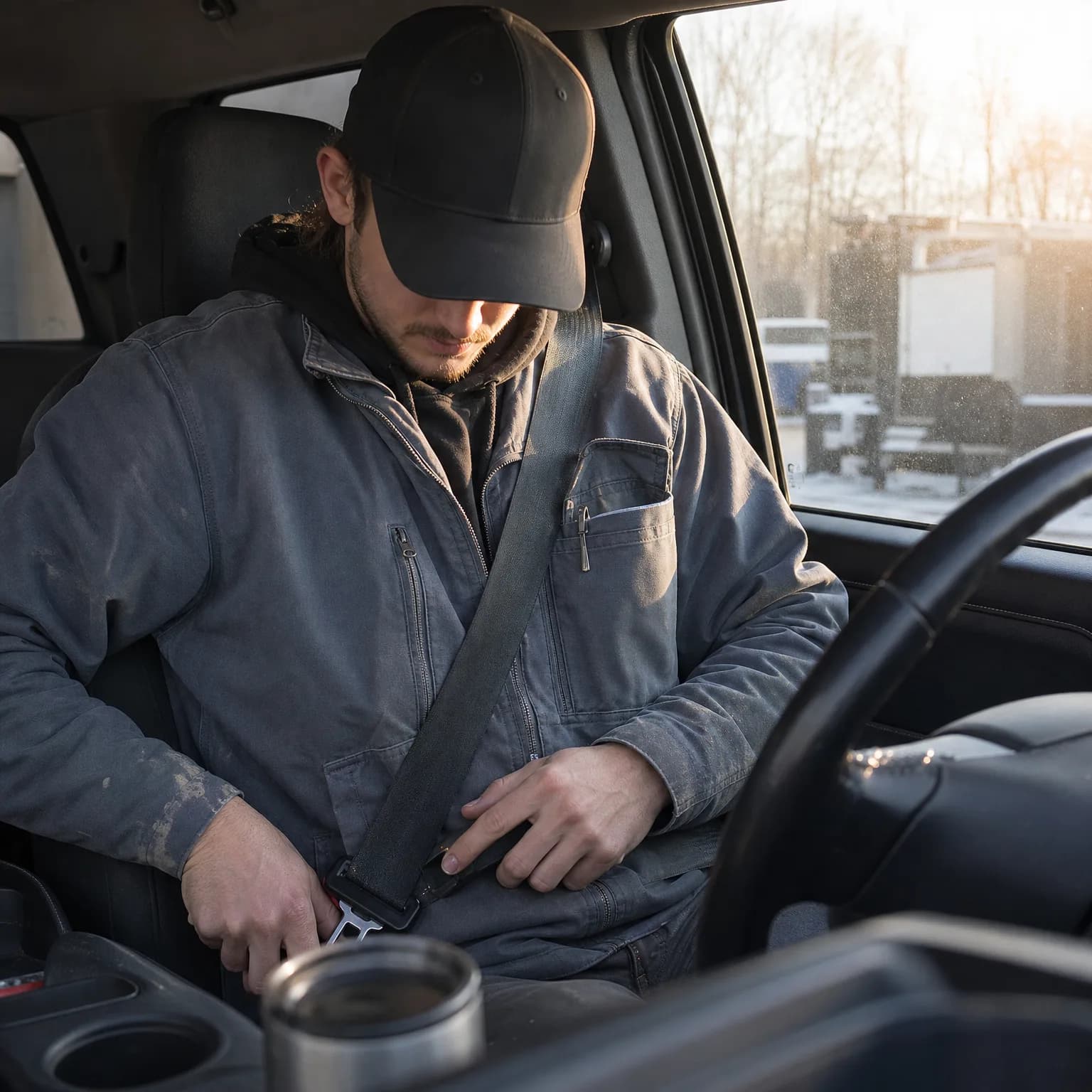
Your SR-22 filing period is set by the state DMV or court order that required it, typically 3 years from the conviction or reinstatement date in most states. You must carry continuous SR-22 coverage for the entire period — any lapse, even one day, resets the filing clock to zero in most jurisdictions. That means if you lapse in month 30 of a 36-month requirement, you start over at month 1.
The carrier reports lapses to the DMV electronically within 24–48 hours of non-payment or cancellation. The DMV suspends your license immediately upon receiving the lapse notice. Reinstating after a lapse requires paying a new filing fee, reinstatement fee (typically $50–$250 depending on state), and restarting the filing period from day one.
Some drivers assume they can stop paying once their license is reinstated, but reinstatement and the SR-22 filing period are separate timelines. Reinstatement gets your license back; the filing period is the duration you must maintain SR-22 coverage afterward. Dropping coverage before the filing period ends triggers suspension again, even if your driving record is otherwise clean.
How to Get the Lowest Monthly Non-Owner SR-22 Rate
Shop at least three carriers that actively write non-owner SR-22 in your state. Rates vary 30–70% between carriers for identical coverage, and the cheapest option shifts based on your violation type, ZIP code, and filing duration. A carrier quoting $40/month for a lapse violation may quote $95/month for a DUI, while a competitor reverses that spread.
Pay in full for six months if financially possible. Most carriers discount 8–15% for full-term payment compared to monthly installments, and you eliminate monthly processing fees ($5–$10/month at most carriers). A six-month term paid upfront runs $150–$390 for most non-owner SR-22 policies at minimum liability, versus $180–$450 paid monthly with fees.
Ask about SR-22-specific discounts. Some non-standard carriers offer filing-completion discounts (5–10% off after 12 months of continuous coverage), defensive driving course discounts (10–15% in states that mandate insurer recognition), and multi-policy discounts if you add renters insurance or another line. These stack, and a driver combining all three can cut their monthly non-owner SR-22 cost to the bottom of the $25–$65 range even with a high-risk violation.
Frequently Asked Questions
Can I get non-owner SR-22 if I have a DUI?
Yes, most non-standard carriers and some national carriers write non-owner SR-22 policies for drivers with DUI convictions. Rates run $50–$95/month with minimum liability, higher than lapse or no-insurance violations but still 40–60% less than standard SR-22 owner policies. GEICO and State Farm restrict non-owner SR-22 for DUI drivers in some states, but Progressive, The General, and regional specialists like Acceptance and Dairyland actively write this coverage.
What happens if I buy a car while holding non-owner SR-22?
You must switch to a standard owner SR-22 policy immediately when you purchase or register a vehicle. Non-owner policies exclude coverage for vehicles you own or have regular access to, so your liability protection becomes void the moment you take ownership. The SR-22 filing itself stays active during the transition, but you must notify your carrier within 24–48 hours to avoid a coverage gap that triggers DMV suspension.
Do I still pay the SR-22 filing fee every year?
No, the SR-22 filing fee is a one-time charge when the carrier first submits your certificate to the DMV. You pay it again only if you let your policy lapse and need to refile. Most carriers charge $15–$50 per filing depending on the state, and some bundle it into your first month's premium while others charge it separately upfront.
Can I add uninsured motorist coverage to a non-owner SR-22 policy?
Yes, uninsured motorist coverage is an optional add-on to most non-owner SR-22 policies, adding $10–$30/month depending on your state and selected limits. It covers your medical bills and lost wages if you're hit by an uninsured driver while operating a borrowed vehicle. If you rarely drive, minimum liability alone satisfies the SR-22 requirement, but frequent borrowers benefit from the added protection.
Will my rate drop after the first year of SR-22 filing?
Some carriers reduce non-owner SR-22 rates 5–10% after 12 months of continuous coverage with no new violations, but this varies by carrier and state. Your rate drops more substantially when the SR-22 filing period ends and you convert to a standard non-owner policy without the filing surcharge. Completing a defensive driving course during the filing period can also trigger a 10–15% discount at carriers required by state law to recognize it.
Related Articles

Non-Owner SR-22 Cost with State-Minimum Liability
6/8/2026

Non-Owner SR-22 Cost Without a Car
6/8/2026

Non-Owner SR-22 Without a Car: Setup Guide
5/18/2026
Cheapest Non-Owner SR-22 CA Minimum Liability
6/8/2026
Keep Non-Owner SR-22 Active Without Overpaying
6/8/2026

Cheapest Non-Owner SR-22 Arkansas Minimum Liability
6/8/2026