Cheapest Non-Owner SR-22 After OWI in Iowa
Get SR-22 Quotes NowWhy Non-Owner SR-22 Exists in Iowa
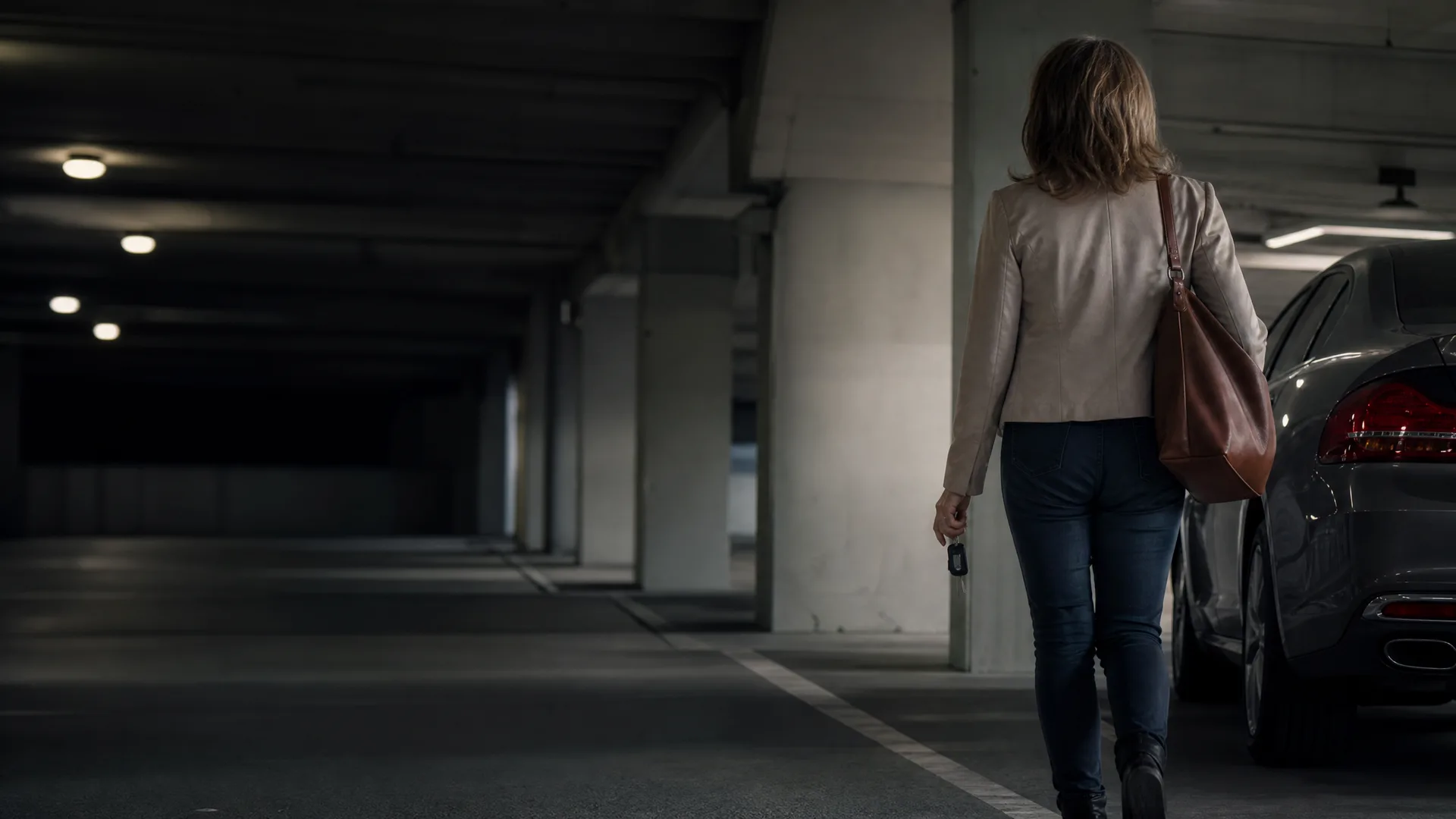
Iowa requires SR-22 filing after OWI convictions, license suspensions, and certain violations — but the state does not require you to own a car to maintain the filing. If you sold your vehicle, rely on rideshares, or borrowed a car during the incident, a non-owner SR-22 policy fulfills the state's proof-of-financial-responsibility requirement without insuring a vehicle you don't have.
Non-owner policies provide liability coverage when you drive someone else's car. The policy follows you, not a vehicle. Iowa's minimum liability limits are $20,000 bodily injury per person, $40,000 per accident, and $15,000 property damage. Your non-owner policy must meet or exceed these minimums to carry the SR-22 filing.
Most carriers charge $40–$75/month for non-owner SR-22 in Iowa — roughly one-third the cost of a standard owner policy with SR-22 attached. The savings come from eliminating collision, comprehensive, and vehicle-specific underwriting. You're paying only for liability coverage and the SR-22 certificate filing.

How Long You'll Carry SR-22 After an OWI in Iowa
Iowa typically requires SR-22 filing for 2 years following OWI convictions, measured from your reinstatement date — not your conviction date or suspension start date. Your SR-22 clock starts when the Iowa DOT restores your driving privileges, which happens only after you've completed all court-ordered requirements, paid reinstatement fees, and submitted proof of insurance.
If your SR-22 lapses at any point during the 2-year period — even one day — Iowa suspends your license immediately and restarts the filing clock from zero. Your carrier must notify the Iowa DOT within 30 days of policy cancellation or lapse. You'll receive a suspension notice and must refile SR-22 with a new policy to reinstate again.
The filing itself costs $15–$50 depending on carrier, paid once at policy inception. Your monthly premium continues for the full 2-year period. After 2 years with no lapses, the SR-22 requirement expires automatically. You can drop to a standard policy or cancel coverage if you still don't own a vehicle.

Which Carriers Write Non-Owner SR-22 in Iowa
Not every carrier writes non-owner policies, and fewer still attach SR-22 filings to them. In Iowa, carriers writing non-owner SR-22 include regional non-standard auto insurers and specialty high-risk divisions of national brands. Progressive and The General write non-owner SR-22 in Iowa; State Farm and Allstate typically do not offer non-owner policies in most states.
Carriers that do write this coverage price it differently. Monthly premiums range from $40 for drivers with a single OWI and no prior violations to $120+ for drivers with multiple suspensions or at-fault accidents stacked on the OWI. Your rate depends on your full driving record, age, and zip code — not just the OWI.
Smaller regional carriers often quote lower than national brands for non-owner SR-22 because they specialize in high-risk drivers. Quotes vary by 40–60% between carriers for identical coverage. You'll need to compare at least three quotes to find the floor rate in your area.

Get Your SR-22 Even Without a Car
Get SR-22 Quotes NowWhat Non-Owner SR-22 Does Not Cover
Non-owner SR-22 pays for injuries and property damage you cause while driving someone else's car. It does not cover damage to the vehicle you're driving — that's covered by the owner's collision policy or not at all. It does not cover your own injuries unless you add optional medical payments coverage, which most carriers offer for $5–$10/month.
If you borrow a car regularly from the same person, their insurance is primary and your non-owner policy is secondary. Your policy pays only after the owner's limits are exhausted. If the owner has no insurance or insufficient limits, your non-owner policy steps in up to your policy limits.
Non-owner policies explicitly exclude vehicles you own, lease, or have regular access to. If you live with a family member who owns a car and lets you drive it regularly, carriers may require you to be listed on their policy instead of issuing you a non-owner policy. This exclusion is strictly enforced — carriers will deny claims if they discover you're driving a household vehicle not listed on a separate owner policy.

Switching from Non-Owner to Owner SR-22 When You Buy a Car
If you buy or lease a vehicle while your SR-22 requirement is still active, you must switch from a non-owner policy to a standard owner policy within 30 days. The SR-22 filing transfers to the new policy, and your carrier notifies Iowa DOT of the change. Your filing period does not restart — the clock continues from your original reinstatement date.
Your premium will increase significantly when you add a vehicle. Expect to pay $150–$300/month for minimum liability coverage on a standard owner policy with SR-22 in Iowa after an OWI, depending on the vehicle's year, make, and your zip code. Collision and comprehensive coverage add another $80–$200/month depending on the car's value.
Some drivers maintain the non-owner policy until their SR-22 requirement expires, then buy a car and start fresh with a standard policy and no filing. This avoids stacking SR-22 costs onto an owner policy. If you're 18–24 months into your 2-year requirement and don't urgently need a car, waiting can save $1,200–$2,400 over the remainder of the filing period.
Frequently Asked Questions
Can I get non-owner SR-22 insurance in Iowa if I don't have a driver's license?
No. Iowa requires a valid or reinstatable driver's license to issue an SR-22 filing. If your license is still suspended, you must complete reinstatement requirements first — pay fees, finish court programs, submit proof of insurance — before any carrier will file SR-22. The filing and reinstatement happen simultaneously.
What happens if I let my non-owner SR-22 policy lapse in Iowa?
Iowa DOT suspends your license immediately and restarts your SR-22 filing period from zero. Your carrier notifies the state within 30 days of cancellation. You'll need to purchase a new policy, pay the filing fee again, and refile SR-22 to reinstate. The original 2-year clock resets completely.
Does non-owner SR-22 in Iowa cover rental cars?
Yes, with limitations. Non-owner policies cover liability when you drive a rental car, but they do not cover damage to the rental itself. Most rental companies require you to buy their damage waiver or prove you have collision coverage elsewhere. Your non-owner policy satisfies Iowa's SR-22 requirement while driving the rental.
How much does it cost to file SR-22 in Iowa on a non-owner policy?
The SR-22 filing fee ranges from $15–$50 depending on carrier, paid once when the policy starts. Monthly premiums for the non-owner policy itself run $40–$120/month depending on your full driving record, age, and location. Total cost over Iowa's 2-year requirement: roughly $1,000–$3,000 including filing fee.
Can I buy non-owner SR-22 insurance online in Iowa?
Some carriers allow online purchase; others require a phone call or in-person visit because non-owner SR-22 policies involve additional underwriting questions. Progressive and The General typically quote non-owner SR-22 online. Regional carriers may require direct contact. Expect the application process to take 10–30 minutes regardless of channel.
Related Articles
Non-Owner SR-22 Cost in Iowa: Monthly Rates
6/8/2026

Cheapest Non-Owner SR-22 Iowa Minimum Liability
6/8/2026

Cheapest No-Down-Payment SR-22 in Iowa
6/8/2026

Cheapest Non-Owner SR-22 After OWI in Wisconsin
6/8/2026

Non-Owner SR-22 Cost in Illinois: Monthly Rates
6/8/2026

Cheapest Non-Owner SR-22 Idaho Minimum Liability
6/8/2026