Cheapest Non-Owner SR-22 in CA: Minimum Liability Strategy
Get SR-22 Quotes NowWhat Non-Owner SR-22 With Minimum Liability Actually Costs in California
Non-owner SR-22 policies in California with state minimum liability ($15,000 bodily injury per person, $30,000 per incident, $5,000 property damage) typically cost $35–$75 per month for drivers with a single DUI or at-fault accident requiring SR-22 filing. That rate reflects the policy premium plus the one-time $25 SR-22 filing fee most carriers charge. The monthly cost moves higher with multiple violations, a suspended license reinstatement, or recent lapses—$80–$140/month for drivers with two or more incidents within 36 months.
The California Department of Motor Vehicles requires continuous SR-22 filing for three years from your conviction or suspension date. A single day of lapse resets that clock to zero and triggers a new suspension. Most carriers writing non-owner SR-22 in California—Progressive, The General, National General, Bristol West—offer monthly payment plans, but missing a payment by even one day cancels the policy and notifies the DMV immediately.
The cheapest configuration is not always minimum liability alone. Many non-owner SR-22 carriers in California embed uninsured motorist coverage at 15/30 by default and price the policy assuming you carry it. Requesting removal sometimes lowers your premium by $8–$15/month, but some carriers increase the base rate when you strip UM/UIM because the risk profile changes. Ask for a quote both ways before assuming minimum-only saves money.
Why Carriers Push Higher Limits Even When You Only Need the Minimum
California does not require you to carry more than 15/30/5 liability to satisfy an SR-22 filing. The DMV filing requirement and the liability minimum are separate rules that happen to overlap—your SR-22 certificate proves you carry at least the state minimum, nothing more. But carriers writing high-risk non-owner policies make significantly higher profit margins on policies with 25/50/25 or 50/100/50 limits because the incremental cost to you is much larger than the incremental claims risk they assume.
When you call for a non-owner SR-22 quote in California, the agent will often default to quoting 25/50 or 50/100 limits and describe 15/30/5 as insufficient or risky. That framing is not wrong—15/30/5 leaves you personally liable for damages exceeding those caps in any accident you cause—but it is also a sales tactic. The carrier's job is to sell you the policy that maximizes their revenue. Your job is to decide whether you can afford higher limits or need the absolute minimum to regain your license and driving privileges now.
If your goal is the lowest possible monthly cost and you are certain you will not be driving frequently or in high-risk conditions, insist on the 15/30/5 minimum and confirm the quote reflects that. Many high-risk drivers in California start with minimum limits, reinstate their license, and increase coverage after six months once their rate drops and their financial situation stabilizes.
Non-Owner SR-22 Does Not Cover Vehicles You Own or Regularly Use
A non-owner SR-22 policy in California covers liability when you drive a vehicle you do not own and do not have regular access to. It does not cover a car titled in your name, a car you lease, or a car you borrow so frequently that it constitutes regular use. If you own a vehicle or live with someone whose vehicle you drive more than occasionally, you need a standard SR-22 auto policy on that vehicle—not a non-owner policy.
The California DMV does not distinguish between non-owner SR-22 and vehicle-attached SR-22 when processing your filing. Both satisfy the SR-22 requirement as long as the certificate lists your name, your driver license number, and confirms continuous liability coverage at or above state minimums. But if you're caught driving a vehicle you own while insured under a non-owner policy, the carrier will deny any claim and may cancel your policy immediately, triggering a lapse notification to the DMV and reinstating your suspension.
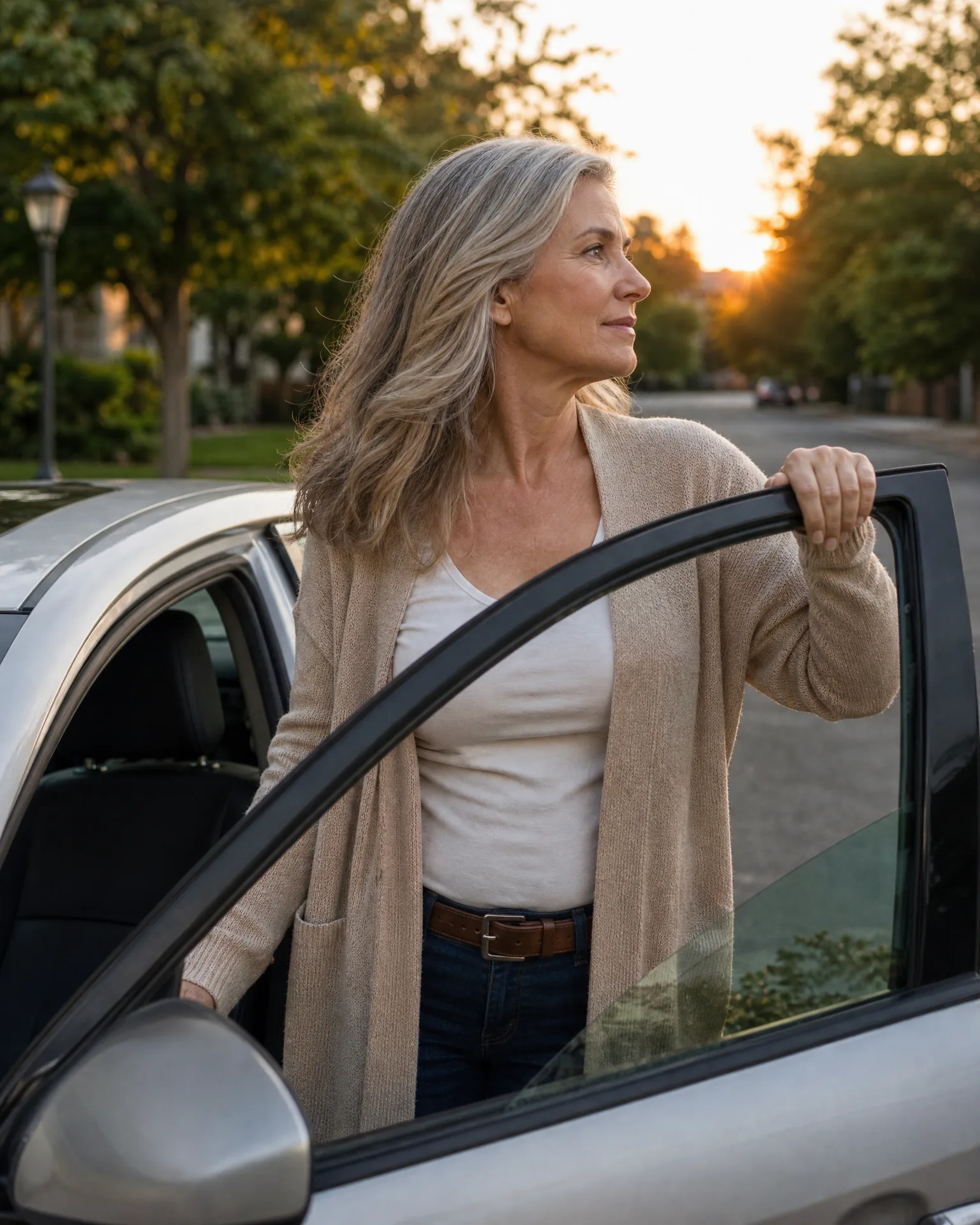
Non-owner SR-22 is the right product if you sold your car after your violation, rely on public transit or rideshares, and only drive rental cars or borrowed vehicles occasionally. It is not a cheaper substitute for insuring a car you actually own. Misrepresenting your situation to get a non-owner rate instead of a standard policy rate is material misrepresentation and will void your coverage when you need it most.
Get Your SR-22 Even Without a Car
Get SR-22 Quotes NowWhich Carriers Write the Cheapest Non-Owner SR-22 in California
Progressive, The General, and National General write the majority of non-owner SR-22 policies in California and compete directly on price for high-risk drivers. Progressive typically quotes $40–$70/month for minimum liability non-owner SR-22 with a single DUI and no additional violations. The General often quotes $5–$10/month lower for the same profile but charges higher fees for policy changes or reinstatements mid-term. National General prices comparably but offers better monthly payment flexibility for drivers who cannot afford a six-month prepay.
Bristol West and Kemper also write non-owner SR-22 in California but primarily through independent agents, not direct. Their rates are competitive for drivers with multiple violations or a suspended license reinstatement—situations where Progressive and The General increase rates steeply. If you have two or more incidents requiring SR-22, request quotes from Bristol West and Kemper through a local independent agent in addition to the direct carriers.
Geico, State Farm, and Allstate do not write non-owner SR-22 policies in California for drivers with DUIs or major violations. They may offer non-owner liability policies to clean-record drivers without SR-22 filing requirements, but those products are not available to high-risk filers. Do not waste time calling them if your SR-22 requirement stems from a DUI, suspended license, or multiple at-fault accidents.
How Long You Must Maintain Non-Owner SR-22 in California
California requires SR-22 filing for three years from the date of your DUI conviction, suspended license reinstatement, or court order mandating proof of financial responsibility. The three-year clock starts on the effective date listed on your court or DMV paperwork—not the date you purchase the policy. If your conviction date was January 15, 2023, your SR-22 requirement ends January 15, 2026, regardless of when you actually filed the certificate.
Letting your non-owner SR-22 policy lapse even one day before that three-year period ends resets your filing requirement to zero and triggers an immediate suspension. The California DMV receives electronic lapse notifications from carriers within 24 hours of cancellation or non-payment. Once suspended for an SR-22 lapse, you must pay a $55 reinstatement fee, file a new SR-22 certificate, and restart the three-year clock from the new filing date.
To avoid accidental lapses, set up automatic monthly payments from a bank account you monitor closely. Do not rely on mailed payment reminders—they arrive too late if your payment date falls mid-month. Most carriers allow you to change your payment date once per term if your income schedule makes the default date difficult. Change it proactively rather than risking a missed payment.
What Happens If You Move Out of California During Your SR-22 Period
If you move to another state before your three-year California SR-22 requirement ends, you must determine whether your new state requires SR-22 or an equivalent financial responsibility filing. California does not automatically transfer your SR-22 obligation to your new state, but your new state may impose its own filing requirement when you apply for a new driver license if your California suspension or conviction appears on your driving record.
Some states—Arizona, Nevada, Oregon—accept California SR-22 certificates as proof of financial responsibility during the license transfer process. Others require you to cancel your California SR-22, obtain a new policy in the new state, and file an SR-22 or FR-44 certificate with that state's DMV before they will issue a license. A few states do not use SR-22 at all and rely on alternative proof-of-insurance frameworks.
Before you move, contact the DMV in your destination state and ask whether they require SR-22 filing for out-of-state DUI convictions or suspensions. If they do, shop for a non-owner SR-22 policy in that state before canceling your California policy. If you cancel your California SR-22 and move to a state that does not recognize the filing, California may still suspend your license for breaking the three-year filing requirement even though you no longer live there—and that suspension will follow you when you return or apply for a license in another state later.
Frequently Asked Questions
Can I get non-owner SR-22 in California if I don't have a car right now?
Yes. Non-owner SR-22 is designed for drivers who do not own a vehicle but need to satisfy California's SR-22 filing requirement to reinstate their license. It covers liability when you drive borrowed or rental cars occasionally.
How much does the SR-22 filing fee cost in California?
Most carriers charge a one-time $25 SR-22 filing fee in California, paid when the policy is issued. Some carriers waive the fee if you prepay six months. The California DMV does not charge a separate filing fee.
What happens if I miss a payment on my non-owner SR-22 policy?
Your carrier cancels the policy immediately and notifies the California DMV within 24 hours. The DMV suspends your license for an SR-22 lapse, and you must pay a $55 reinstatement fee and file a new SR-22 certificate to lift the suspension.
Do I need to carry more than 15/30/5 liability to satisfy California SR-22?
No. California only requires 15/30/5 liability minimums for SR-22 filing. Carriers often quote higher limits because they are more profitable, but you are legally compliant with the minimum as long as your SR-22 certificate confirms continuous coverage at or above that threshold.
Can I cancel my non-owner SR-22 policy after three years automatically?
You should not cancel until you receive written confirmation from the California DMV that your SR-22 filing requirement has ended. Most drivers wait 30 days past the three-year mark and request a copy of their driving record to confirm no active filing requirement before canceling.
Related Articles
Non-Owner SR-22 Cost Per Month in California
6/8/2026

Lowest Non-Owner SR-22 Monthly Cost With Minimum Limits
6/8/2026
Non-Owner SR-22 Cost with State-Minimum Liability
6/8/2026
Non-Owner SR-22 Cost Without a Car
6/8/2026
Cheapest Non-Owner SR-22 in Colorado
6/8/2026
Cheapest Non-Owner SR-22 Arizona Minimum Liability
6/8/2026