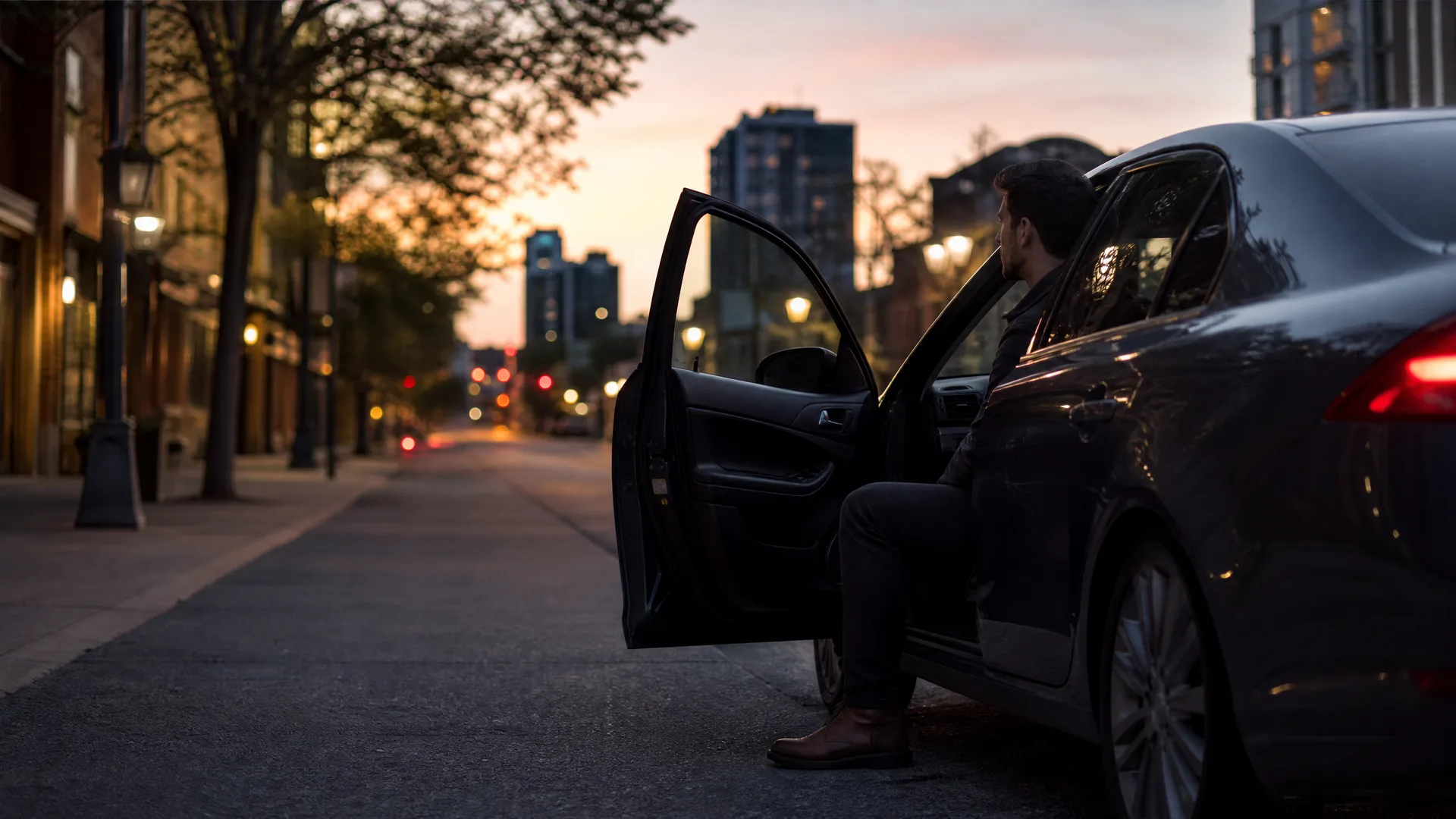
Non-Owner SR-22 When Standard Carriers Won't Quote You
Get SR-22 Quotes NowWhy Carriers Refuse Owner Coverage But Write Non-Owner SR-22
When a carrier cancels your policy after a DUI or major violation, they're declining to insure your vehicle — not declining to file your SR-22. Most major carriers route high-risk business to a non-standard subsidiary that writes liability-only and non-owner policies at different underwriting standards. State Farm routes to State Farm Fire and Casualty. Progressive routes to Progressive Specialty. GEICO routes to GEIC Indemnity.
The non-owner policy carries no collision or comprehensive exposure, which means the carrier's risk is capped at your state's minimum liability limits — typically $25,000 per person, $50,000 per accident, $25,000 property damage in most states. An owner policy on a financed vehicle might carry $500,000 in total exposure. The underwriting math changes completely.
This creates a viable bridge strategy. You maintain your SR-22 filing through a non-owner policy while your vehicle sits uninsured or you sell it, then shop for owner coverage once rates drop or your violation ages past the carrier's surcharge window. Most carriers allow you to upgrade from non-owner to owner coverage mid-term without restarting your filing clock.
Non-Owner SR-22 Costs Half What Owner Coverage Costs After a DUI
Non-owner SR-22 premiums average $30–$80/mo in most states for a driver with one DUI and no other violations. The same driver quoted for owner coverage with full liability, collision, and comprehensive typically sees $180–$350/mo, depending on the vehicle and state.
The cost difference comes from exposure, not filing status. The SR-22 itself adds $15–$25 to any policy as a one-time or annual filing fee. The premium difference reflects what the carrier is insuring. A non-owner policy pays liability claims only when you're driving a borrowed or rental vehicle. An owner policy pays liability claims anytime you're at fault, plus collision and comprehensive claims on your own vehicle.
If you don't own a vehicle or can park yours for six months while rates stabilize, non-owner SR-22 is the cheapest way to maintain your filing requirement and avoid a lapse. A lapse resets your filing period to zero in most states — meaning a one-day gap in coverage can add three years to your total filing obligation.


Which Carriers Write Non-Owner SR-22 When They Won't Write Owner Coverage
Progressive Specialty, GEICO Indemnity, Bristol West, Dairyland, The General, and National General all actively write non-owner SR-22 policies in most states. These are non-standard subsidiaries of larger carriers, and they underwrite high-risk drivers specifically.
State Farm Fire and Casualty writes non-owner SR-22 in most states but routes it through local agents — you cannot quote it online. Allstate routes high-risk non-owner business to Encompass in some states. Nationwide routes to Allied or Titan depending on the state and violation severity.
The carrier that cancelled your owner policy may still write you a non-owner policy through a different entity. Call their retention department and ask explicitly: "Will your non-standard subsidiary write me a non-owner SR-22 policy?" Most phone reps default to quoting owner coverage and never mention the non-owner option because the commission is lower.

Get Your SR-22 Even Without a Car
Get SR-22 Quotes NowHow to Avoid a Lapse When Your Current Carrier Cancels
When your carrier sends a cancellation notice, you typically have 10–30 days before the policy terminates, depending on state law and the reason for cancellation. If your SR-22 filing lapses for even one day, the state DMV receives an SR-26 notice (termination of financial responsibility) and suspends your license immediately in most states.
Bind a non-owner SR-22 policy before your cancellation date. The new carrier files an SR-22 with the state on the policy effective date, and the state's system updates within 24–72 hours in most jurisdictions. Your old carrier files an SR-26 when your cancelled policy terminates, but the state already has a new SR-22 on file, so no suspension triggers.
Do not wait until after the cancellation date to shop. If your license suspends due to an SR-22 lapse, you'll pay reinstatement fees ($50–$250 depending on state), restart your filing period from zero, and potentially face a second suspension if you drove during the lapse period. Reinstatement timelines add 7–21 business days in most states, during which you cannot legally drive.
Non-Owner SR-22 Requirements and Coverage Limits
A non-owner SR-22 policy must meet your state's minimum liability requirements to satisfy the SR-22 filing. Most states require $25,000 per person, $50,000 per accident, $25,000 property damage (25/50/25). Some states mandate higher minimums — California requires 15/30/5, Florida requires 10/20/10 plus PIP, and Alaska requires 50/100/25.
The non-owner policy does not cover a vehicle you own, lease, or regularly use. If you own a car, most carriers will refuse to write non-owner coverage or will exclude that vehicle explicitly. If you're listed on a household vehicle's title or registration, some carriers treat you as an owner and decline the non-owner policy.
You can drive borrowed vehicles, rental cars, or employer-owned vehicles under a non-owner policy. The coverage is secondary to the vehicle owner's insurance in most states — meaning the owner's policy pays first, and your non-owner policy covers the gap if their limits are exhausted. If you're driving without permission or in a vehicle you own, your non-owner policy will not pay the claim.
When to Upgrade From Non-Owner to Owner SR-22 Coverage
Most carriers allow you to upgrade from non-owner to owner coverage mid-policy without restarting your SR-22 filing period. The carrier files an updated SR-22 with the new policy number and vehicle information, and the state's filing clock continues from your original filing date.
The optimal time to upgrade is when your violation ages past the carrier's surcharge window or when you've completed any required SR-22 filing period milestones. A DUI typically surcharges premiums for three to five years depending on the carrier. Some carriers reduce surcharges annually; others hold the surcharge flat until the violation drops off entirely.
Before upgrading, request quotes from at least three carriers for owner coverage. Your current non-owner carrier may not offer the best rate on owner coverage, and you're not locked into upgrading with them. If you switch carriers, bind the new owner policy with an effective date that overlaps your non-owner policy by at least one day to avoid any SR-22 filing gap.
Frequently Asked Questions
Can I get non-owner SR-22 if I own a car but don't drive it?
Most carriers will decline non-owner coverage if you're listed as owner or co-owner on a vehicle title or registration, even if the car is parked or inoperable. To qualify for non-owner SR-22, you typically need to sell the vehicle, transfer the title, or remove yourself from the registration before applying. Some carriers make exceptions if the vehicle is totaled, stolen, or repossessed and you provide documentation.
How long does it take for a non-owner SR-22 to file with the state after I bind the policy?
Most carriers file the SR-22 electronically within 24 hours of binding the policy, and the state's system updates within 1–3 business days. Some states still process paper SR-22 filings, which can take 7–10 business days. If you're close to a cancellation deadline or license suspension date, confirm the carrier files electronically and request a filing confirmation number you can reference with the DMV.
Will switching from non-owner SR-22 to owner coverage restart my filing period?
No. Upgrading from non-owner to owner coverage with the same carrier or switching to a new carrier does not restart your SR-22 filing clock, as long as there is no gap in coverage. The state tracks your filing start date, not your policy type. Ensure your new owner policy's effective date overlaps your non-owner policy by at least one day to avoid triggering an SR-26 lapse notice.
What happens if I drive a car I own while covered under non-owner SR-22?
Your non-owner policy will not cover any accident involving a vehicle you own, and you'll be personally liable for all damages and injuries. If the state discovers you were driving an owned vehicle without proper coverage, you may face a license suspension for driving uninsured, even though your SR-22 filing was active. Non-owner coverage is explicitly excluded for owned vehicles in every carrier's policy language.
Can I add a vehicle to my non-owner SR-22 policy later without switching carriers?
Most carriers require you to cancel the non-owner policy and bind a new owner policy to add a vehicle. Some non-standard carriers allow a mid-term endorsement to convert non-owner coverage to owner coverage, but this is rare. Expect to re-quote and bind a new policy when you acquire a vehicle, and coordinate the effective dates to avoid any SR-22 filing gap.
Related Articles
Owner vs Non-Owner SR-22: Cost & Coverage Differences
5/18/2026
Non-Owner SR-22 Without a Car: Setup Guide
5/18/2026

Non-Owner SR-22 Cost Without a Car
6/8/2026
Non-Owner SR-22 Cost with State-Minimum Liability
6/8/2026
Non-Owner SR-22 Without a Car: How It Works
5/18/2026
Non-Owner SR-22 Costs Under 25
6/8/2026