
What Non-Owner SR-22 Costs When You Borrow Cars Often
Get SR-22 Quotes NowNon-Owner SR-22 Premium Ranges for Frequent Borrowers
Non-owner SR-22 policies typically cost $300–$800 per year for liability-only coverage, with frequent borrowers landing in the $500–$800 range. That's $42–$67 per month. The SR-22 filing itself adds $15–$50 depending on the state and carrier, paid once at policy start.
Carriers price frequent borrowers higher within the non-owner range because you represent intermittent exposure they can't predict. A driver who borrows a car twice a month creates different risk than someone who truly never drives. Underwriters treat "borrows often" as closer to regular use than occasional use, which pushes your quote toward the top of the non-owner premium band.
For comparison, an owner SR-22 policy for the same violation profile costs $1,200–$2,400 per year. You're saving 50–67% by not insuring a vehicle you own, but you're paying more than a non-owner SR-22 driver who genuinely never drives. The savings are real, but they're not as deep as the lowest advertised non-owner rates suggest.
Why Carriers Charge More for Frequent Borrowing
Frequent borrowing creates underwriting uncertainty. Carriers can't verify how often you actually drive, what vehicles you're using, or whether the owner's policy is properly structured to cover you as a permissive driver. That uncertainty inflates your rate.
Most personal auto policies include permissive use coverage, meaning the car owner's policy is primary when you borrow their vehicle. Your non-owner policy is secondary — it only pays if the owner's coverage is exhausted or unavailable. But if you're borrowing multiple cars from different people, the carrier has no way to confirm every owner carries adequate limits. That risk gets priced into your premium.
Some carriers treat "borrows often" as a red flag for uninsured regular use. If you're borrowing the same car repeatedly, underwriters may question whether you have regular access to a vehicle you should be listing on a standard policy instead. That suspicion pushes your rate higher or gets your application declined outright.
Which Carriers Write Non-Owner SR-22 for Frequent Borrowers
Not all carriers write non-owner SR-22 policies, and fewer still write them for drivers who borrow cars frequently. The national carriers that consistently offer this coverage are Progressive, The General, and Dairyland. State Farm and GEICO write non-owner policies but route SR-22 business to specialty subsidiaries in most states, and their underwriting guidelines often exclude frequent borrowers.
Regional carriers like National General, Acceptance Insurance, and Bristol West write this coverage in select states, but availability varies by your violation type and how you answer the "how often do you drive" question during underwriting. If you say "weekly" or "a few times a month," expect higher quotes or declinations from carriers with stricter guidelines.
Progressive is the most consistent option for frequent borrowers. They write non-owner SR-22 in all 50 states (except for states that use FR-44 or alternative frameworks) and don't penalize intermittent use as heavily as competitors. The General and Dairyland write this coverage but price it higher for drivers with DUIs or multiple violations.
Get Your SR-22 Even Without a Car
Get SR-22 Quotes NowHow Your SR-22 Trigger Affects Non-Owner Pricing
Your violation type determines where you land in the $300–$800 non-owner SR-22 range. A DUI conviction typically pushes your annual premium to $600–$800. A lapse in coverage or failure to maintain insurance costs $400–$600. A suspended license reinstatement with no underlying DUI costs $300–$500.
DUI drivers pay the most because carriers treat DUIs as the highest predictive risk for future claims. Even on a non-owner policy, a DUI inflates your rate by 70–130% compared to a clean-record non-owner policy, which would cost $200–$400 per year without the SR-22 requirement.
Multiple violations stack. If you have a DUI and a suspended license, expect quotes at the top of the range or declinations from mid-tier carriers. Frequent borrowing on top of multiple violations often triggers automatic underwriting declines at carriers like State Farm and Allstate, even for non-owner policies.
What Happens If You Underreport How Often You Borrow
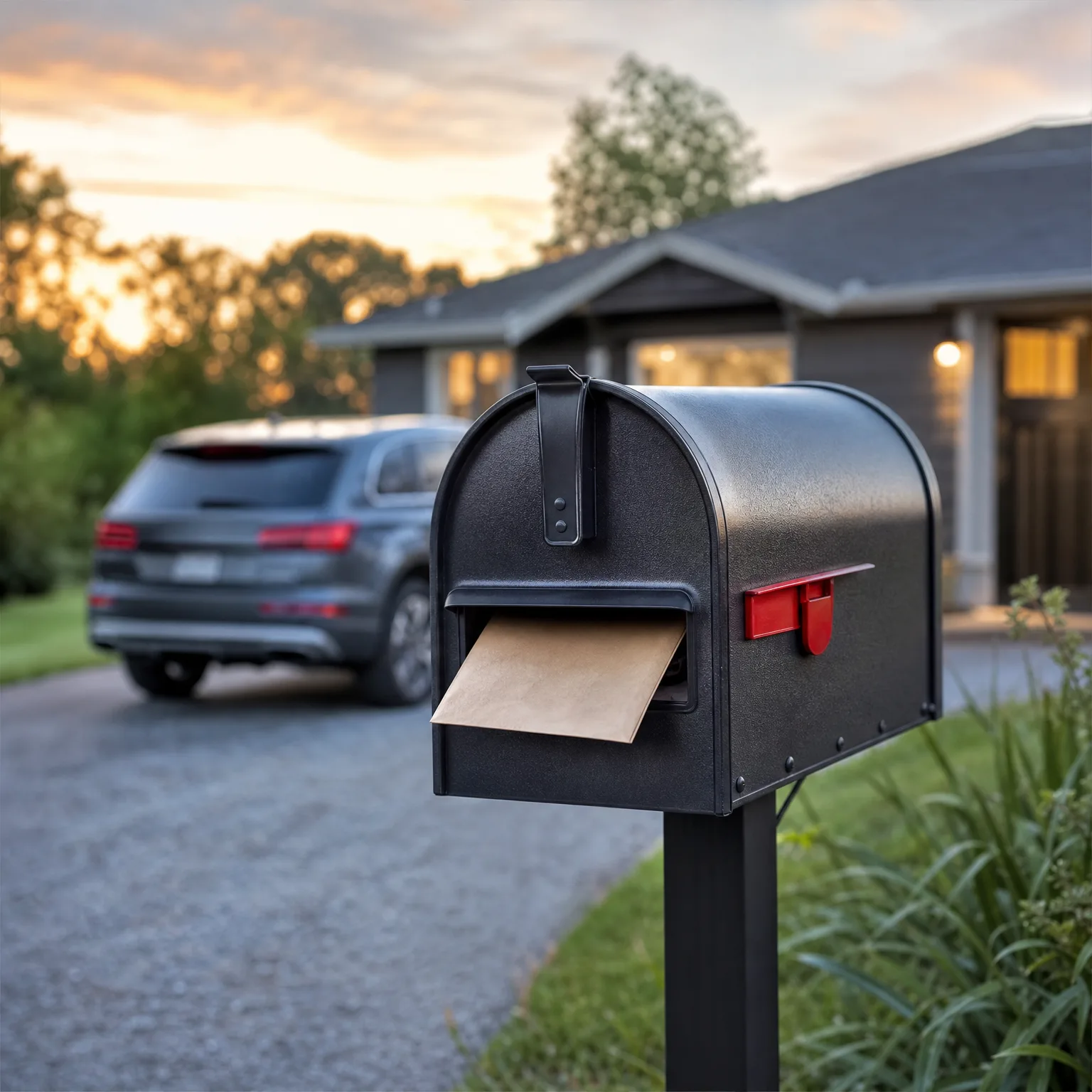
Underreporting driving frequency to get a lower rate is material misrepresentation. If you claim you "rarely drive" but borrow a car weekly, and you later file a claim, the carrier can deny coverage and rescind your policy retroactively. That leaves you uninsured at the time of the incident, which means your SR-22 filing lapses and your state DMV typically restarts your filing clock at zero.
Carriers verify driving patterns through claims investigations. If you file a claim, the adjuster will request the vehicle owner's policy, rental records if applicable, and interview witnesses. If the evidence shows regular use but your application said occasional use, the carrier can void the policy from inception. You lose the premium you paid, the claim gets denied, and you're back to square one on SR-22 compliance.
Be accurate during underwriting. If you borrow a car twice a month, say so. The higher premium is real, but it's cheaper than restarting your SR-22 filing period after a denial. Most states require 3 years of continuous SR-22 coverage, and any lapse — including a rescinded policy — resets that clock.

How Long You'll Pay Non-Owner SR-22 Rates
Your SR-22 filing period is set by your state DMV or court order, typically 3 years from the date of conviction or reinstatement eligibility. During that entire period, you must maintain continuous non-owner SR-22 coverage without any lapses. A single missed payment that cancels your policy for non-payment triggers an SR-22 lapse notice to the DMV, which usually restarts your filing clock.
After your filing period ends, your rates drop immediately. The SR-22 filing itself costs $15–$50, but the high-risk surcharge on your premium — the 70–130% increase from your violation — phases out over 3–5 years as the violation ages off your record. You'll still need a non-owner policy if you don't own a car, but the rate drops to $200–$400 per year once the SR-22 requirement is lifted.
Some states allow early termination of SR-22 filing if you go violation-free for a set period, but this is rare. Most states enforce the full filing period regardless of clean driving after the fact. Check your DMV order or court paperwork for the exact end date — don't assume it's 3 years from your conviction date, because some states measure from reinstatement date instead.
Frequently Asked Questions
Can I get a non-owner SR-22 if I borrow the same car every week?
Yes, but carriers will price you at the higher end of the non-owner range ($500–$800/year) because regular borrowing of the same vehicle creates underwriting uncertainty. Some carriers may decline you if they believe you have regular access to a vehicle you should list on a standard policy instead. Be accurate about frequency during underwriting — misrepresentation can void your policy and restart your SR-22 filing period.
Does my non-owner SR-22 cover the car I borrow?
No. Non-owner SR-22 is liability-only coverage that follows you as a driver, not the vehicle. It only pays if the car owner's policy is exhausted or unavailable. The owner's insurance is always primary when you borrow their car. Your non-owner policy is secondary and covers bodily injury or property damage you cause to others, not damage to the borrowed vehicle.
What happens if the person I borrow from doesn't have insurance?
Your non-owner SR-22 becomes primary and covers liability for injuries or damage you cause, up to your policy limits. But you're still driving an uninsured vehicle, which is illegal in most states and creates a separate violation risk if you're stopped. Verify the owner carries active insurance before borrowing — your non-owner policy doesn't cover the vehicle itself, only your liability as a driver.
Can I switch to a regular policy if I start borrowing a car full-time?
Yes, but you must notify your carrier immediately. If you gain regular access to a vehicle, most non-owner policies require you to list that vehicle on a standard policy or cancel the non-owner coverage. Failing to disclose regular use is material misrepresentation and can void your policy, which triggers an SR-22 lapse and restarts your filing period with the DMV.
Do I still need SR-22 if I stop driving entirely?
It depends on your state and the terms of your filing requirement. Most states require continuous SR-22 coverage for the full filing period regardless of whether you drive. If you cancel your non-owner SR-22 policy, the carrier notifies the DMV of the lapse, which typically restarts your filing clock or suspends your license again. Check your DMV order — some states allow you to surrender your license to pause the filing requirement, but this is rare.
Related Articles

Non-Owner SR-22 Cost Without a Car
6/8/2026
Non-Owner SR-22 Without a Car: Setup Guide
5/18/2026
Owner vs Non-Owner SR-22: Cost & Coverage Differences
5/18/2026

Non-Owner SR-22 When Carriers Cancel You
6/8/2026
Non-Owner SR-22 Cost Per Month in California
6/8/2026
Non-Owner SR-22 Cost for Rideshare Drivers
6/8/2026