
Non-Owner SR-22 Cost in Iowa: Monthly Rates & Filing Fees
Get SR-22 Quotes NowWhat Non-Owner SR-22 Insurance Costs Monthly in Iowa
Non-owner SR-22 policies in Iowa typically cost $45–$85 per month for state minimum liability coverage with an active filing. That's roughly 40–60% less than reinstating a standard policy with SR-22 after a DUI or major violation.
The Iowa DOT requires you to carry at least 20/40/15 liability limits — $20,000 per person for bodily injury, $40,000 per incident, and $15,000 for property damage. Non-owner policies meet this floor exactly. If you add uninsured motorist coverage (required in Iowa unless you reject it in writing), expect another $8–$15/month.
Most carriers writing SR-22 in Iowa charge a one-time $25–$50 filing fee upfront, plus the state's $250 reinstatement fee paid directly to the DOT. The filing fee is per submission — if your policy lapses and you refile, you pay it again. The reinstatement fee is per suspension event, not per filing.
Rates vary by your violation type. A DUI pushes you toward the $70–$85/month range. A lapse or failure-to-maintain-insurance violation sits closer to $45–$60/month. Carriers that specialize in high-risk drivers — Progressive, The General, National General — typically quote lower than full-service carriers routing SR-22 to specialty subsidiaries.

How Iowa's 2-Year Filing Period Affects Your Cost
Iowa mandates SR-22 filing for 2 years from your reinstatement date, not from the violation date. This is shorter than the 3-year standard in most states, but the clock doesn't start until the DOT processes your reinstatement and issues a new license.
If you delay filing SR-22 or pay your reinstatement fee late, you're extending the total time you'll carry expensive coverage. A 90-day delay between suspension and filing pushes your 2-year requirement into year three. Most drivers don't realize the filing period is measured from reinstatement, not suspension.
Carriers price non-owner policies assuming you might buy a vehicle mid-term and convert to a standard policy. That conversion triggers repricing — your monthly rate jumps because the risk profile changes. If you're planning to stay vehicle-free the entire 2 years, ask the carrier for a non-owner-only rate commitment. Some will lock it in writing; most won't volunteer the option.
Every month you maintain continuous SR-22 coverage moves you closer to standard pricing. After your 2-year filing period ends and your record ages another year, expect rates to drop 30–50% if you've had no new violations.

Why Iowa Non-Owner SR-22 Costs Less Than Standard Policies
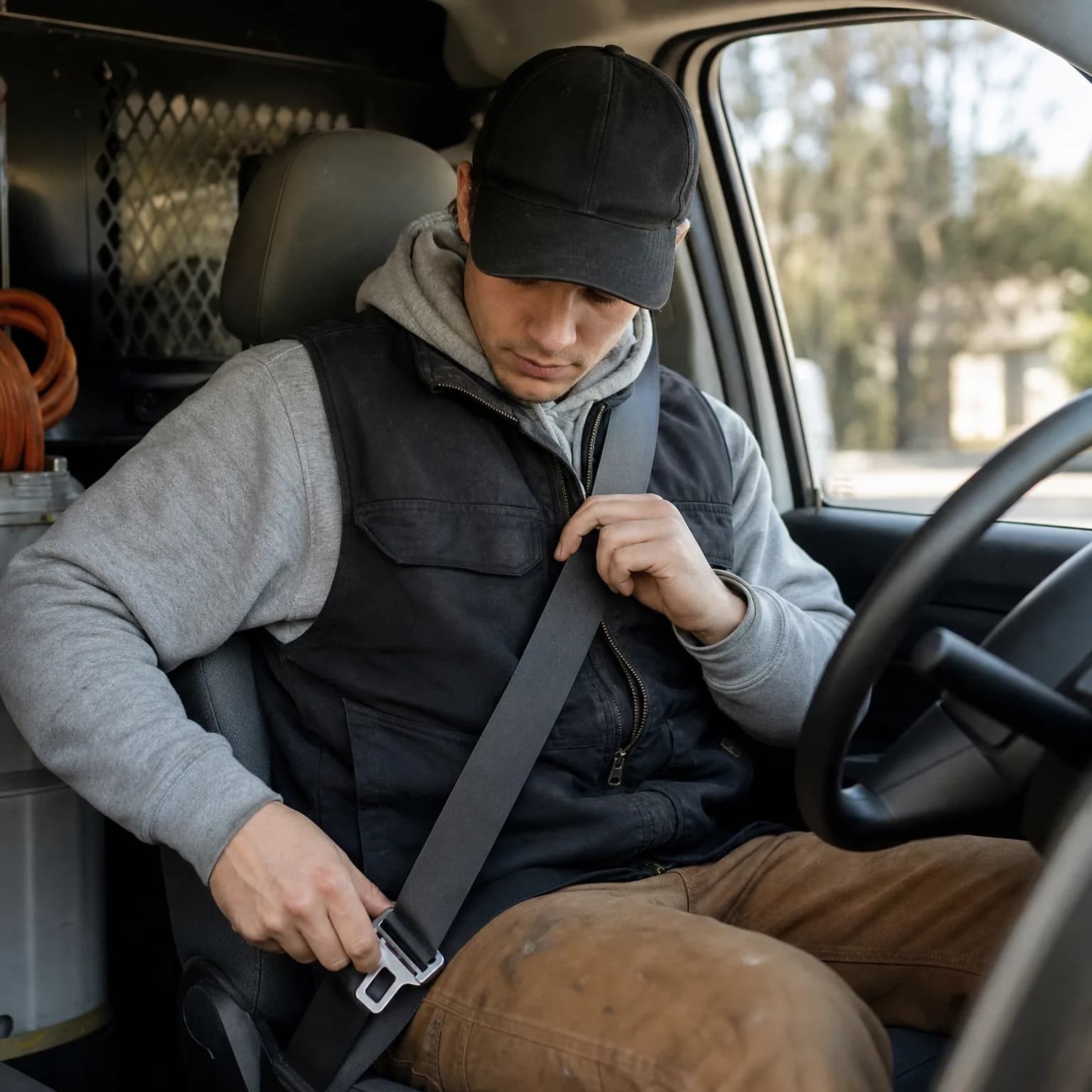
Non-owner policies exclude collision and comprehensive coverage because you don't own a vehicle. You're buying liability-only coverage that follows you when you drive borrowed or rental cars. This dramatically reduces the carrier's exposure.
Iowa is a fault state, which means the at-fault driver's liability coverage pays for the other party's damages. If you cause an accident while driving a friend's car, your non-owner policy responds first, up to your 20/40/15 limits. The vehicle owner's policy covers the rest if damages exceed your limits. Carriers price this favorably because the vehicle owner's collision coverage handles their own car — you're not on the hook for that.
Standard SR-22 policies assume you own a vehicle, drive it daily, and carry full coverage if you're financing it. That's higher risk and higher premium. Non-owner policies assume you drive infrequently and never drive the same vehicle repeatedly. Lower utilization equals lower cost.
The catch: if you buy a vehicle during your SR-22 filing period, you must notify your carrier within 30 days and convert to a standard policy. Your rate will jump immediately, and some carriers will non-renew you at the next term if they don't actively write standard SR-22 policies. Read your policy's vehicle acquisition clause before you sign.

Get Your SR-22 Even Without a Car
Get SR-22 Quotes NowHidden Costs Iowa Drivers Miss When Comparing Quotes
The reinstatement fee is the biggest hidden cost. Iowa charges $250 to reinstate your license after an SR-22-triggering suspension, paid directly to the DOT before you can legally drive. This is separate from the carrier's SR-22 filing fee and not included in your monthly premium quote.
If your SR-22 lapses for any reason — missed payment, policy cancellation, switching carriers without overlap — the DOT suspends your license again immediately. You'll pay another $250 reinstatement fee and restart your 2-year filing clock from zero. One lapse can cost you an extra $2,000+ in extended premiums and duplicate fees.
Most carriers require 6 months paid upfront or charge monthly installment fees of $5–$10. A $60/month premium quoted online often becomes $70/month after fees. Ask for the total annual cost in writing before you commit.
Iowa requires uninsured motorist coverage at the same limits as your liability coverage unless you reject it on a state form. Most online quotes include it by default. If you're trying to hit the absolute lowest legal cost, you can decline UM coverage and drop your monthly rate by $10–$15, but you lose protection if you're hit by an uninsured driver. Given Iowa's high uninsured driver rate in rural counties, most agents recommend keeping it.

Which Carriers Write Non-Owner SR-22 in Iowa and What They Charge
Progressive writes non-owner SR-22 policies directly in Iowa and typically quotes $50–$75/month for clean violations (lapses, failure to maintain). They allow monthly payments with a $7 installment fee and charge a $25 SR-22 filing fee. Progressive's online quote tool handles non-owner policies, which most carriers don't support digitally.
The General specializes in high-risk drivers and quotes $55–$85/month for DUI-related SR-22 filings. They allow monthly payments with no installment fee but require proof of Iowa residency and a valid (even if suspended) Iowa license before binding coverage. Filing fee is $50.
National General and Acceptance Insurance (a subsidiary) both write non-owner SR-22 in Iowa through independent agents. Rates run $60–$90/month depending on violation severity. They require 2 months down and charge a $35 filing fee. Both allow you to add rental car coverage for an extra $8–$12/month, which most non-owner policies exclude.
State Farm and Allstate both write SR-22 in Iowa but typically decline non-owner policies for DUI violations. They'll write them for lapses or suspended licenses due to points, but only if you were previously insured with them. If you're shopping after a DUI, expect to work with a specialty carrier.
Geico does not write non-owner policies in Iowa at all, SR-22 or otherwise. If a Geico agent quotes you, they're brokering you to another carrier and taking a commission — ask who the actual insurer is before you bind.

How to Keep Your Iowa Non-Owner SR-22 Cost Low Over 2 Years
Set up automatic payments and keep a 15-day payment buffer in your account. One missed payment triggers a lapse notice to the Iowa DOT within 10 days, and your license suspends automatically. You'll pay another $250 reinstatement fee and restart your 2-year clock even if you're only 3 days late.
Shop your policy every 6 months, but never cancel your current policy before the new one is active and filed with the DOT. Iowa requires continuous SR-22 coverage with zero gaps. If you switch carriers, the new carrier must file SR-22 before the old carrier cancels, or the DOT sees a lapse. Most carriers handle this automatically, but confirm the sequence in writing.
Avoid stacking violations. A speeding ticket or at-fault accident during your SR-22 period can double your rate at renewal or cause the carrier to non-renew you entirely. If you're non-renewed mid-filing, you'll scramble for coverage in the high-risk market where monthly rates start at $90+.
After your 2-year filing period ends, call your carrier 30 days before the end date and request SR-22 removal. Some carriers automatically refile unless you explicitly opt out, which keeps you in high-risk pricing longer than legally required. Get written confirmation that your SR-22 has been withdrawn and that the DOT has been notified.
Frequently Asked Questions
How much does SR-22 filing cost in Iowa on top of insurance?
Carriers charge $25–$50 as a one-time SR-22 filing fee when they submit your certificate to the Iowa DOT. The state charges a separate $250 reinstatement fee to restore your license, paid directly to the DOT. Your monthly premium covers the liability insurance itself, not the filing or reinstatement fees.
Can I get non-owner SR-22 insurance in Iowa if I have a DUI?
Yes. Progressive, The General, and National General all write non-owner SR-22 policies for Iowa DUI violations. Expect monthly rates of $70–$85 for state minimum liability coverage. State Farm and Allstate typically decline non-owner policies for DUI but will write them for lapse-related suspensions.
What happens if I let my Iowa non-owner SR-22 policy lapse?
The Iowa DOT suspends your license immediately, and you'll pay another $250 reinstatement fee to restore it. Your 2-year SR-22 filing period restarts from zero, even if you were 23 months into the original requirement. One lapse can cost you an extra $2,000+ in extended premiums and duplicate fees.
Does Iowa require SR-22 for 2 years or 3 years?
Iowa requires 2 years of continuous SR-22 filing for most violations, measured from your reinstatement date. This is shorter than the 3-year standard in most states. The clock starts when the DOT processes your reinstatement and issues a new license, not when the violation occurred.
Can I cancel my non-owner SR-22 policy after 2 years in Iowa?
Yes, but only after your full 2-year filing period ends. Call your carrier 30 days before the end date and request SR-22 withdrawal in writing. Some carriers automatically refile unless you explicitly opt out, which keeps you in high-risk pricing longer than legally required. Confirm the DOT has been notified of the withdrawal.
Related Articles

Cheapest Non-Owner SR-22 Iowa Minimum Liability
6/8/2026

Cheapest Non-Owner SR-22 After OWI in Iowa
6/8/2026

Non-Owner SR-22 Cost in Illinois: Monthly Rates
6/8/2026

Cheapest No-Down-Payment SR-22 in Iowa
6/8/2026

Non-Owner SR-22 Cost Indiana: Monthly Rates
6/8/2026

Missouri Non-Owner SR-22 Cost Per Month
6/8/2026