
Lowest Non-Owner SR-22 Rates in Virginia Without a Vehicle
Get SR-22 Quotes NowWhat Non-Owner SR-22 Insurance Covers in Virginia
Non-owner SR-22 insurance is liability-only coverage for drivers who don't own a vehicle but need to maintain an SR-22 filing with the Virginia DMV. The policy provides state-minimum liability limits — $30,000 bodily injury per person, $60,000 per accident, $20,000 property damage — and includes the SR-22 certificate filed directly to the DMV by the carrier.
The policy activates when you drive a borrowed or rental vehicle. It does not cover a vehicle you own, lease, or regularly use. If you later buy a car, the non-owner policy converts to a standard owner policy with updated SR-22 filing.
Virginia drivers use non-owner SR-22 for three situations: reinstating a license after suspension when they sold their vehicle, maintaining insurance during a vehicle-free period while SR-22 is required, or satisfying court-ordered SR-22 when they no longer drive regularly. The DMV accepts non-owner SR-22 filings the same way it accepts owner filings — no processing difference.

Virginia Non-Owner SR-22 Rate Ranges by Violation Type
Non-owner SR-22 rates in Virginia range from $50–$90/mo for most violations. DUI violations typically push monthly premiums to $85–$140/mo. At-fault accidents with SR-22 requirements fall in the $60–$100/mo range. Multiple violations stack — a DUI plus a reckless driving charge can reach $150/mo.
The filing itself adds $15–$50 to your six-month premium as a one-time carrier processing fee, not a monthly charge. Virginia DMV does not charge a separate SR-22 fee — the carrier handles filing and charges you for the service.
Rates drop 15–25% per year as your violation ages, assuming no new incidents. After three clean years, most carriers reclassify you to standard risk, and non-owner rates fall to $35–$60/mo. The Virginia DMV requires SR-22 for three years from your reinstatement date — not your conviction date — so late filing extends your requirement period.

Which Carriers Write Non-Owner SR-22 in Virginia
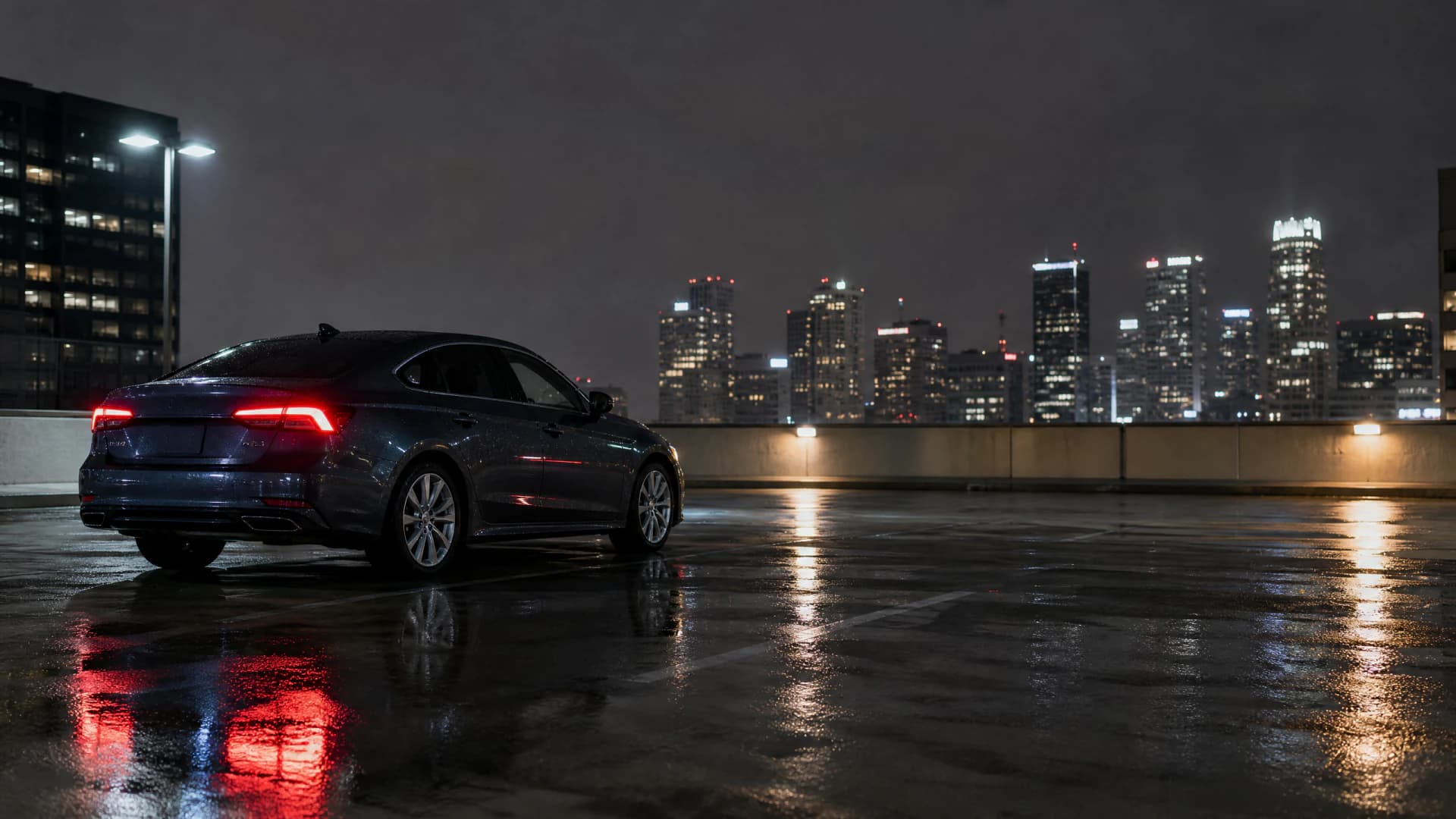
Progressive, National General, and Dairyland actively write non-owner SR-22 policies in Virginia. State Farm and GEICO route high-risk non-owner business to affiliate companies or decline coverage entirely. Allstate writes owner SR-22 but stops at non-owner policies in most Virginia regions.
Carrier availability tightens if your suspension is still active. Most carriers require formal DMV reinstatement before binding a non-owner policy. If you're in the 30-day SR-22 filing window before reinstatement, expect underwriting delays — carriers confirm suspension lift with DMV records before issuing the policy.
Specialty carriers like The General and Acceptance write non-owner SR-22 during suspension periods but charge 20–40% more than post-reinstatement rates. If your license is already reinstated and you're only maintaining the SR-22 requirement, shop Progressive first — they price non-owner SR-22 below most competitors for clean post-reinstatement periods.

Get Your SR-22 Even Without a Car
Get SR-22 Quotes NowHow to Get the Lowest Non-Owner SR-22 Rate
Request quotes from at least three carriers that write non-owner SR-22 in Virginia. Carrier rate structures vary by violation type — Progressive may quote lowest for DUI while National General quotes lowest for multiple points violations. Shopping prevents overpaying by 30–50%.
Pay your six-month premium in full if possible. Carriers add 10–20% to total cost when you finance monthly. A $300 six-month policy becomes $360 on installment — $60 wasted on payment plan fees.
Drop any coverage beyond state minimums. Non-owner policies don't cover comprehensive or collision since you don't own a vehicle. If a carrier quotes uninsured motorist coverage above the $30,000/$60,000 minimum, decline it unless required by your reinstatement order. Every dollar above minimum liability is wasted spend for a non-owner policy.
Bind your policy before your suspension reinstatement date. Virginia DMV requires active SR-22 filing on file before processing reinstatement. If you wait until after reinstatement to shop, you've extended your suspension — and your SR-22 filing clock resets to zero.
Filing Timeline and Lapse Consequences
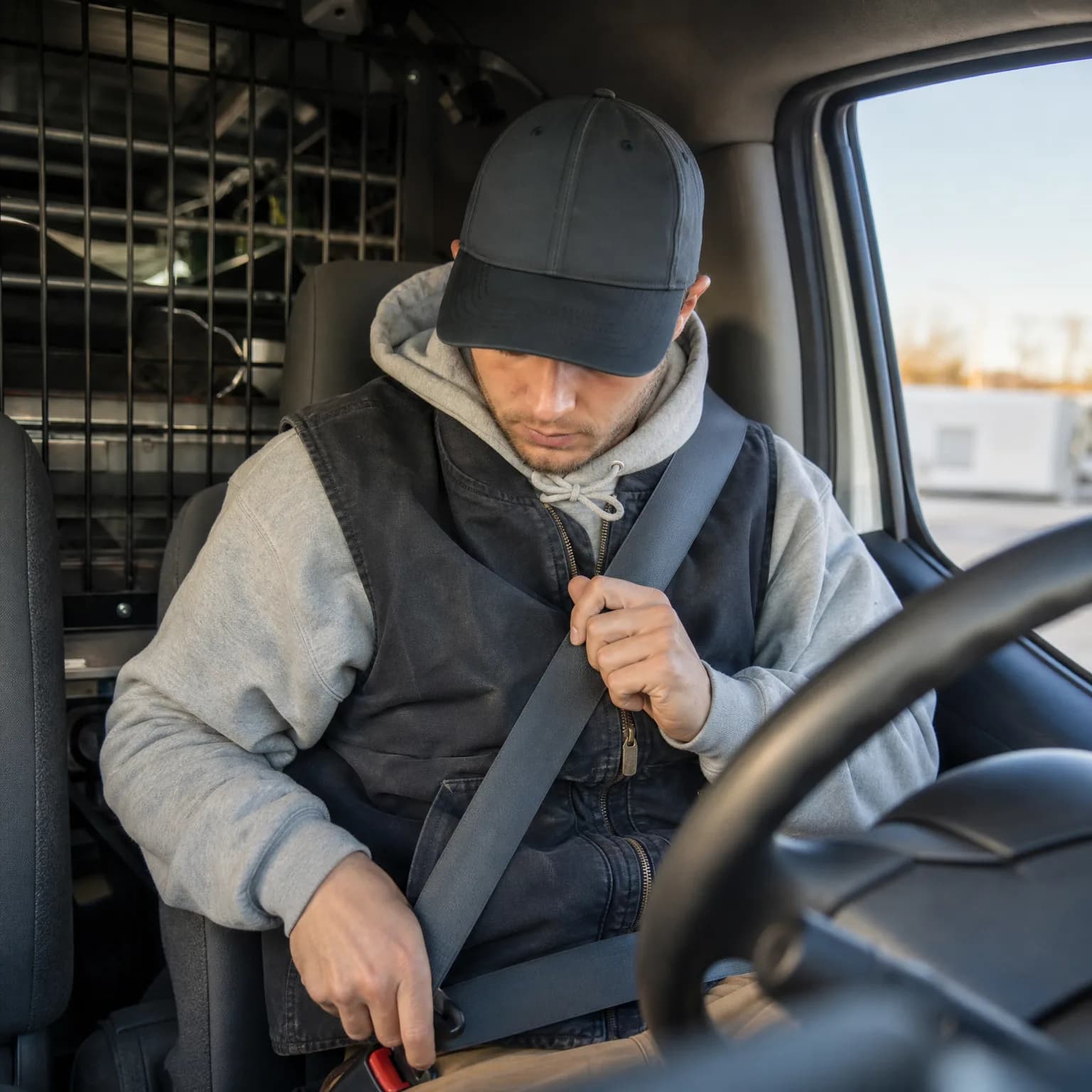
Virginia carriers file SR-22 certificates electronically within 1–5 business days of policy binding. The DMV processes the filing within 24–48 hours. Your policy effective date must match or precede your reinstatement date, or the DMV rejects your reinstatement and you start over.
If your non-owner SR-22 policy lapses for any reason — missed payment, cancellation, non-renewal — the carrier notifies the Virginia DMV within 24 hours. The DMV suspends your license immediately. No grace period. No warning letter. Suspension is automatic.
Reinstating after an SR-22 lapse requires a new SR-22 filing, a new reinstatement fee, and a new three-year SR-22 period starting from the new reinstatement date. A single missed payment in year two resets your entire requirement to year zero. Set up automatic payment and calendar reminders 15 days before each renewal.
When Non-Owner SR-22 No Longer Makes Sense
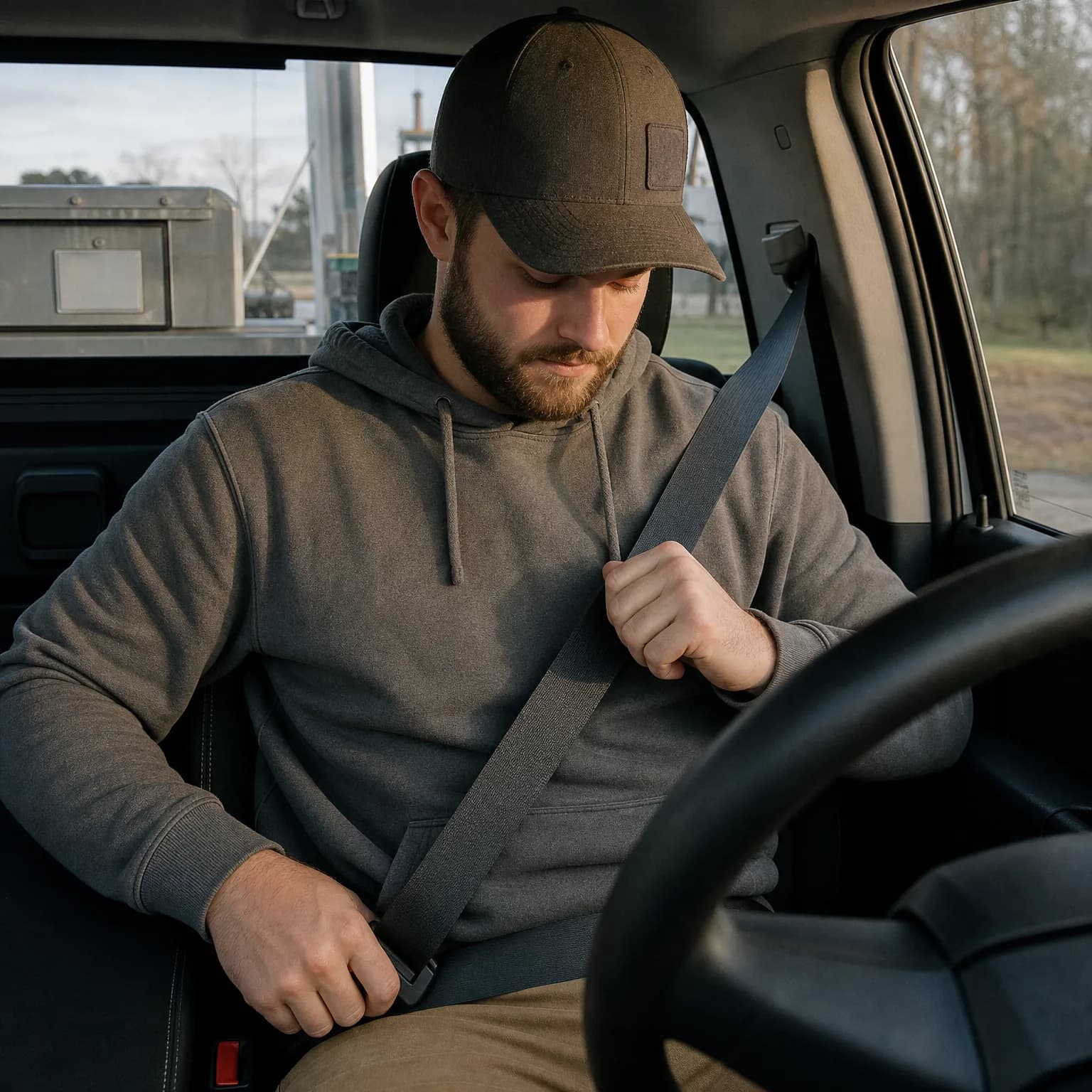
If you buy or lease a vehicle, convert your non-owner SR-22 to an owner policy immediately. Non-owner policies exclude vehicles you own or regularly use — driving your own car under a non-owner policy leaves you uninsured, and any claim triggers policy cancellation and SR-22 lapse.
If your household owns a vehicle you regularly access, even if titled to someone else, most carriers require an owner policy. Living with a parent who owns a car you occasionally drive typically disqualifies you from non-owner coverage. Carriers check household vehicle registrations during underwriting.
Once your three-year SR-22 requirement ends, the Virginia DMV sends a clearance notice. Confirm receipt with the DMV directly before canceling your non-owner policy. If you cancel before DMV records the clearance, you trigger a lapse notification and restart the requirement. Wait for written confirmation, then shop standard liability policies — rates drop 40–60% once SR-22 filing ends.
Frequently Asked Questions
Can I get non-owner SR-22 in Virginia if my license is still suspended?
Most Virginia carriers require formal DMV reinstatement before binding a non-owner SR-22 policy. Specialty carriers like The General write policies during suspension but charge 20–40% more. Your policy effective date must precede your reinstatement date for the DMV to accept the filing.
How much does non-owner SR-22 cost in Virginia after a DUI?
Non-owner SR-22 policies in Virginia typically cost $85–$140/mo after a DUI conviction. Rates drop 15–25% per year with no new violations. After three years, most carriers reclassify you to standard risk and rates fall to $35–$60/mo.
What happens if my non-owner SR-22 policy lapses in Virginia?
The Virginia DMV suspends your license immediately when a carrier reports an SR-22 lapse — no grace period. Reinstatement requires a new SR-22 filing, a new reinstatement fee, and a new three-year SR-22 period starting from the new reinstatement date. One missed payment resets your entire requirement.
Do I need to switch from non-owner to owner SR-22 if I buy a car in Virginia?
Yes. Non-owner SR-22 policies exclude vehicles you own or regularly use. Driving your own car under a non-owner policy leaves you uninsured, and any claim triggers cancellation and SR-22 lapse. Convert to an owner policy before taking possession of the vehicle.
Which carriers offer the lowest non-owner SR-22 rates in Virginia?
Progressive, National General, and Dairyland write non-owner SR-22 in Virginia. Progressive typically offers the lowest rates for clean post-reinstatement periods. Specialty carriers like The General charge 20–40% more but write policies during active suspensions. Always quote at least three carriers — rate structures vary by violation type.
Related Articles

Non-Owner SR-22 Cost Per Month in Virginia
6/8/2026

Non-Owner SR-22 Cost Without a Car
6/8/2026

Non-Owner SR-22 Without a Car: Setup Guide
5/18/2026

Lowest Non-Owner SR-22 Rates in West Virginia
6/8/2026
Non-Owner SR-22 Cost Per Month in Maryland
6/8/2026

Lowest Non-Owner SR-22 Rates Nevada Without Vehicle
6/8/2026