Same-Day Non-Owner SR-22 Filing in Washington Without a Car
Get SR-22 Quotes NowWhy Washington Requires SR-22 Even If You Don't Own a Car
Washington suspends your license for DUI, reckless driving, multiple violations, or driving uninsured. The Department of Licensing (DOL) sends a suspension notice requiring SR-22 filing within 30 days to reinstate. That deadline runs whether you own a vehicle or not.
SR-22 is not insurance. It's a certificate your insurer files with the DOL proving you carry the state minimum liability coverage. Washington requires $25,000 bodily injury per person, $50,000 per accident, and $10,000 property damage (25/50/10). The SR-22 filing itself costs $25–$50 with most carriers, but you must maintain continuous coverage for the entire filing period.
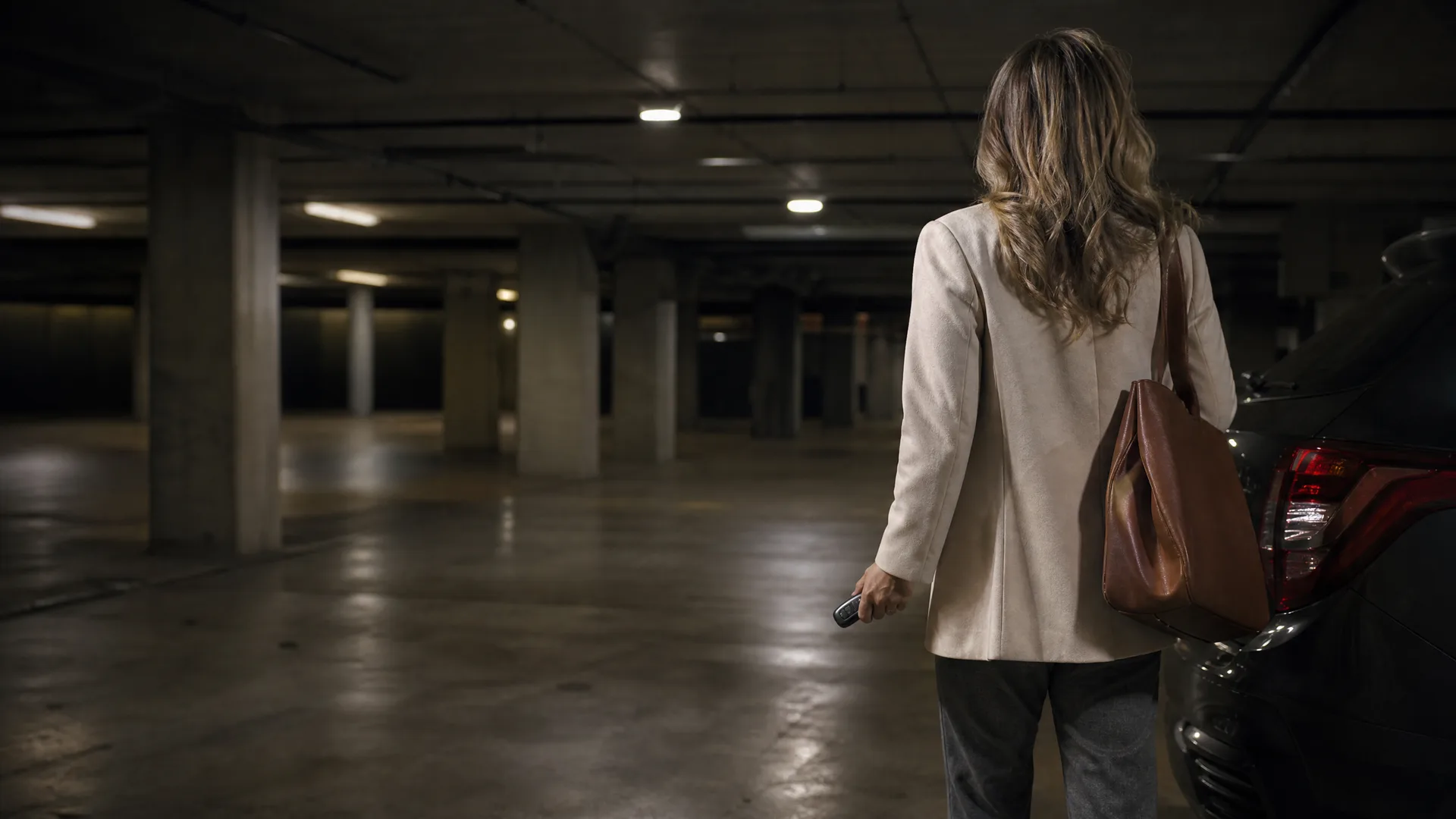
If you don't own a car, you still need the SR-22 certificate on file. Standard auto policies require you to list a vehicle. Non-owner SR-22 policies are built for drivers without cars — they cover you when you borrow, rent, or occasionally drive someone else's vehicle. The policy files the SR-22 certificate the same day you purchase coverage, meeting Washington's 30-day deadline.
How Non-Owner SR-22 Policies Work in Washington
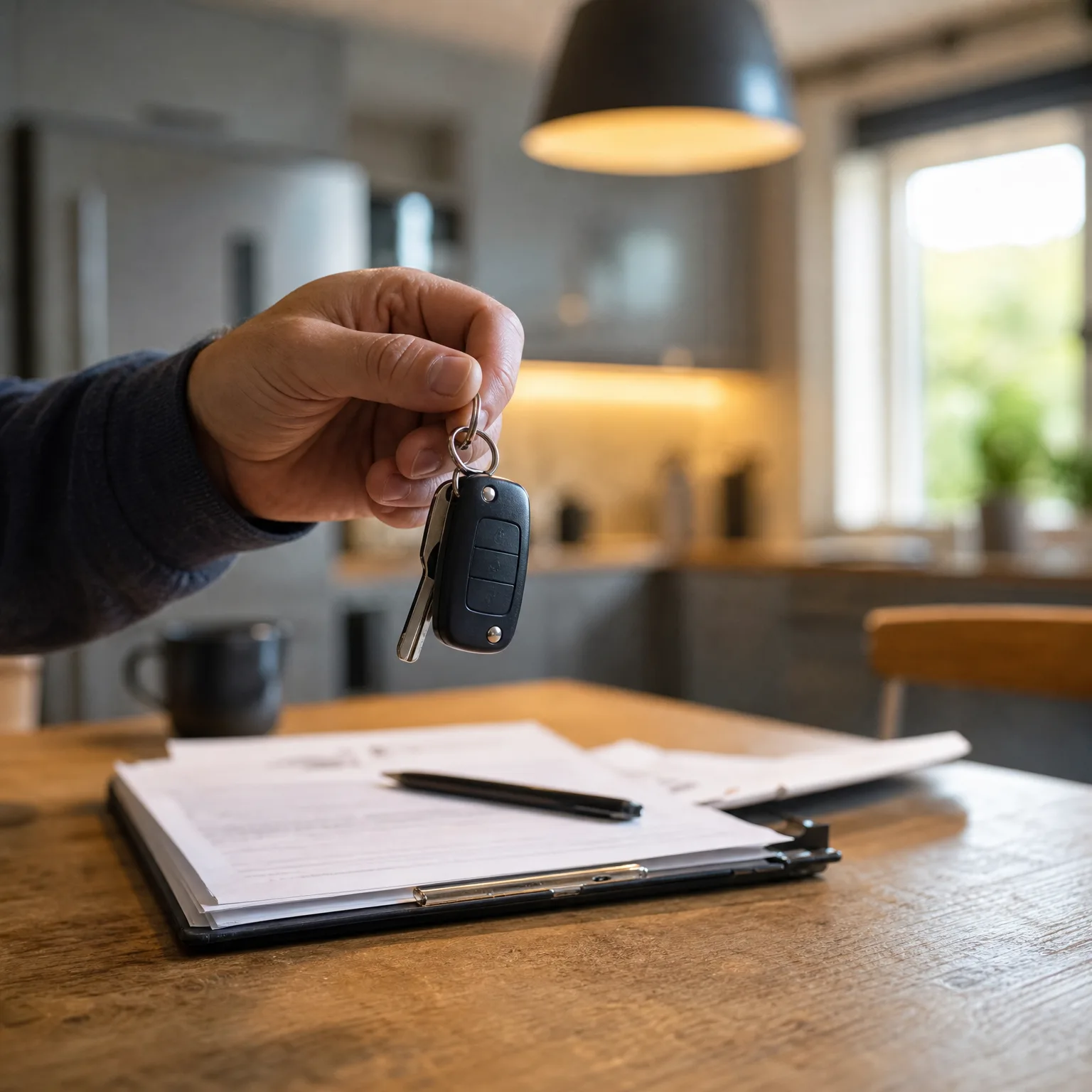
A non-owner SR-22 policy provides liability coverage when you drive a vehicle you don't own. It does not cover a car you own, lease, or regularly use. It covers bodily injury and property damage you cause while driving someone else's vehicle — the same liability protection a standard policy provides, but without requiring you to own the car.
Washington non-owner SR-22 policies typically cost $25–$50 per month for minimum liability limits. If your violation involved high speeds, multiple incidents, or a DUI with injury, expect rates toward the higher end. Carriers writing non-owner SR-22 in Washington include The General, National General, Bristol West, and Progressive's non-standard division.
The policy files the SR-22 certificate with the Washington DOL electronically, usually within 24 hours of purchase. You receive proof of filing immediately. The DOL processes the filing and lifts your suspension once they verify continuous coverage. Most drivers regain driving privileges 3–7 business days after the SR-22 is filed, assuming all reinstatement fees are paid.
Washington's SR-22 Filing Period and Lapse Consequences
Washington requires SR-22 filing for 3 years from your reinstatement date for most DUI and major violations. The clock starts when the DOL reinstates your license, not when you file the SR-22. If you let coverage lapse even one day during that period, your carrier notifies the DOL within 10 days, and Washington suspends your license again immediately.
A lapse resets your filing clock to zero in most cases. You must file a new SR-22, pay another suspension lift fee ($75 as of current DOL requirements), and restart the 3-year period. Carriers treat lapses as high-risk indicators — your next policy will cost 20–40% more than your original non-owner SR-22 rate.
Set up automatic payments. Washington does not send reminders before suspending your license for non-payment. If your bank declines a premium payment, you have roughly 10 days before the carrier files a cancellation notice with the DOL. By the time you receive the suspension letter, your license is already invalid.

Get Your SR-22 Even Without a Car
Get SR-22 Quotes NowSame-Day Filing Process for Washington Non-Owner SR-22
Call a carrier that writes non-owner SR-22 in Washington. Provide your driver's license number, the violation that triggered the SR-22 requirement, and the DOL suspension notice if you have it. The carrier quotes your premium, collects payment, and files the SR-22 certificate electronically the same business day.
You receive a confirmation email with your policy documents and SR-22 filing proof within 1–2 hours. The DOL receives the filing automatically. You do not need to visit a DOL office or submit paperwork yourself. Verify the filing appeared in the DOL system by checking your driving record online 2–3 days after purchase — this confirms the carrier filed correctly.
If you're within 5 days of your 30-day deadline, call the carrier directly rather than quoting online. Online systems sometimes delay non-owner policies for underwriting review. A phone application processes faster and files the same day if you call before 3 PM Pacific on a business day.
What Happens If You Miss Washington's 30-Day Deadline
Missing the 30-day SR-22 filing deadline extends your suspension indefinitely. The DOL does not reinstate your license until you file the SR-22 and pay the $75 suspension lift fee. Every day you drive on a suspended license is a separate misdemeanor — Washington prosecutors routinely charge driving while suspended in the third degree (DWLS 3) for violations caught during this period.
A DWLS 3 conviction adds another violation to your record, which can trigger a longer SR-22 filing period or convert your suspension to a revocation. If the original suspension was for a DUI, a DWLS conviction during the SR-22 period can extend your total filing requirement to 5 years under Washington's habitual offender rules.
File immediately when you receive the suspension notice, even if you're not driving. The 30-day clock does not pause. If you cannot afford a full year upfront, most non-owner SR-22 carriers offer monthly payment plans starting at $25–$50 per month. The cost of compliance is lower than the cost of a DWLS charge, which adds court fees, potential jail time, and extends your total SR-22 period.

Switching from Non-Owner SR-22 to Standard SR-22 When You Buy a Car
If you buy or lease a vehicle while your SR-22 filing is active, you must switch from a non-owner policy to a standard auto policy with SR-22. Non-owner policies exclude vehicles you own — if you're in an accident driving your own car under a non-owner policy, the claim is denied and your SR-22 cancels for misrepresentation.
Call your carrier before you take possession of the vehicle. Provide the VIN, purchase date, and coverage start date. The carrier converts your non-owner policy to a standard policy and re-files the SR-22 certificate with the updated policy number. Washington requires continuous SR-22 coverage — the switch must happen without a gap, or the DOL treats it as a lapse and suspends your license.
Standard SR-22 policies cost more than non-owner policies because they cover vehicle damage in addition to liability. Expect $120–$250/mo for minimum liability on a standard policy if you're a high-risk driver in Washington. If the rate is unaffordable, keep the non-owner SR-22 active and avoid driving the vehicle you own until your filing period ends — this is legal, but only if you do not register the vehicle in your name.
Frequently Asked Questions
Can I get non-owner SR-22 insurance in Washington if I've never owned a car?
Yes. Washington requires SR-22 filing whether you own a vehicle or not. Non-owner SR-22 policies are designed for drivers without cars and file the required certificate with the DOL the same day you purchase coverage. The policy covers you when driving borrowed or rental vehicles.
How much does same-day SR-22 filing cost in Washington if I don't own a car?
Non-owner SR-22 policies in Washington typically cost $25–$50 per month for state minimum liability coverage. The SR-22 filing fee is $25–$50 one-time, paid to the carrier. You also pay a $75 suspension lift fee to the DOL when your license reinstates.
What happens if I let my non-owner SR-22 policy lapse in Washington?
Your carrier notifies the Washington DOL within 10 days of cancellation, and the DOL suspends your license immediately. A lapse resets your 3-year filing period to zero in most cases. You must file a new SR-22, pay another $75 suspension lift fee, and restart the clock.
Do I need to visit the DOL to file SR-22 in Washington?
No. Your insurance carrier files the SR-22 certificate electronically with the Washington DOL. You do not submit paperwork yourself. The DOL receives the filing automatically and processes your reinstatement within 3–7 business days after verifying continuous coverage.
Can I switch from non-owner SR-22 to a standard policy if I buy a car in Washington?
Yes, but you must notify your carrier before taking possession of the vehicle. The carrier converts your non-owner policy to a standard auto policy and re-files the SR-22 with the updated policy number. Any gap in coverage triggers a suspension, so the switch must happen continuously.
Related Articles
Lowest Non-Owner SR-22 Rates in Washington
6/8/2026
WA Non-Owner SR-22 Cost: $40–$90/Month
6/8/2026
Same-Day Non-Owner SR-22 Filing in Oregon
6/8/2026
Non-Owner SR-22 Without a Car: How It Works
5/18/2026
Do I Need SR-22 If I Don't Own a Car? Non-Owner Filing
5/18/2026

Non-Owner SR-22 Without a Car: Setup Guide
5/18/2026