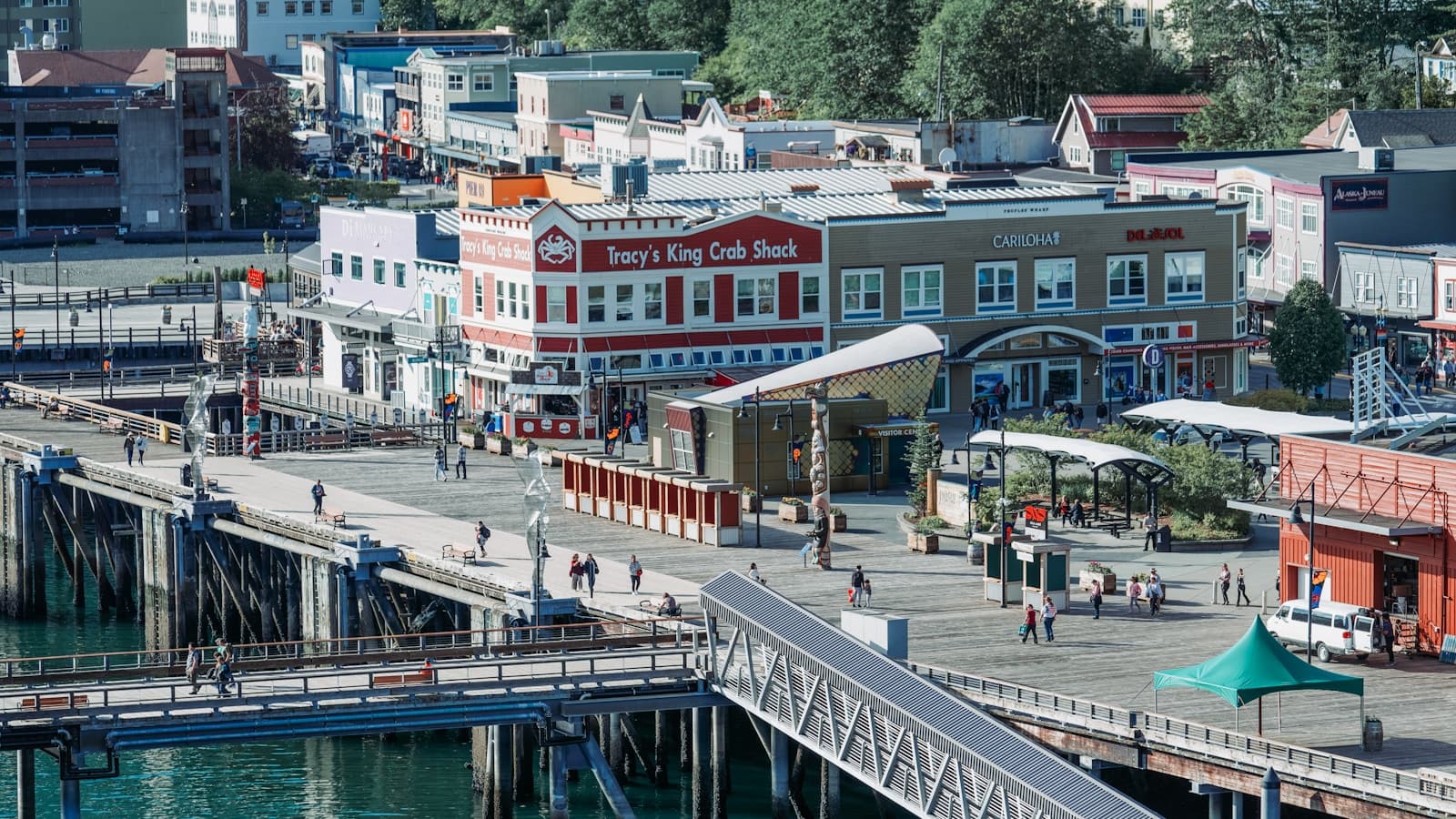
What Affects Rates in Juneau
- Isolated Road Network and Limited Carrier Competition: Juneau has no road connection to the rest of Alaska or North America, accessible only by boat or plane. This isolation reduces the number of insurance carriers willing to write policies here, shrinking your options as a high-risk driver and often pushing premiums 15–25% higher than comparable Alaskan cities with highway access like Anchorage or Fairbanks.
- Year-Round Precipitation and Icy Winter Roads: Juneau receives over 60 inches of annual precipitation and experiences frequent winter ice on Egan Drive, Glacier Highway, and steep residential streets. Drivers with at-fault accidents already on record face higher collision and comprehensive premiums due to elevated weather-related claim frequency in the capital city's wet, mountainous terrain.
- High Uninsured Motorist Rate: Alaska's uninsured driver rate sits at 14.6%, among the highest in the nation. For high-risk drivers in Juneau, uninsured/underinsured motorist coverage becomes critical — if an uninsured driver hits you, your own liability-only SR-22 policy won't cover your vehicle damage or medical bills.
- DUI Enforcement and Mandatory SR-22 Filing: Alaska requires SR-22 filing for a minimum of 3 years following any DUI conviction, and Juneau's small road network means concentrated law enforcement presence on Egan Drive and Glacier Highway. A second DUI within 10 years results in ignition interlock requirements alongside SR-22, further increasing your monthly costs by $70–$150 for device rental and monitoring.
- Wildlife Collision Risk on Limited Routes: Juneau's road system consists primarily of Egan Drive and Glacier Highway, both known for high moose, deer, and bear activity. Comprehensive coverage for animal strikes is essential for high-risk drivers who can't afford another at-fault claim, but expect premiums 20–30% above the national average due to local claim frequency.
Find out exactly how long SR-22 is required in your state
Coverage Recommendations
Cost estimates are based on available industry data and vary by driver profile. These are not insurance quotes.
SR-22 Insurance
Alaska requires SR-22 filing for DUI convictions (minimum 3 years), license suspensions, at-fault accidents without insurance, and repeat violations. The SR-22 itself is a certificate your insurer files with the Alaska DMV proving you carry at least 50/100/25 liability — the filing costs $25–$50, but your underlying policy premium is where costs spike to $180–$350/month in Juneau.
$25–$50 filing; $180–$350/mo premiumEstimated range only. Not a quote.
Liability Insurance
Alaska's minimum liability requirement is $50,000 per person/$100,000 per accident for bodily injury and $25,000 for property damage. High-risk drivers in Juneau should consider increasing to 100/300/50 limits — if you cause a serious accident on icy Egan Drive or Glacier Highway, minimum limits leave you personally liable for excess damages, and many high-risk carriers offer better per-dollar value at higher limits.
$120–$220/mo for 50/100/25Estimated range only. Not a quote.
Uninsured Motorist Coverage
With Alaska's 14.6% uninsured driver rate, this coverage protects you when an at-fault driver has no insurance or insufficient limits. Not required by Alaska law, but critical in Juneau where your repair and medical options are limited by the city's isolation — a totaled vehicle here means costly marine or air freight for a replacement, and uninsured motorist property damage (UMPD) helps cover that gap.
$30–$70/mo additionalEstimated range only. Not a quote.
Comprehensive Coverage
Covers non-collision damage like animal strikes, theft, vandalism, and weather damage. Juneau's frequent wildlife collisions and heavy precipitation make comprehensive essential for high-risk drivers who can't absorb another claim — a moose strike on Glacier Highway can total a vehicle, and comprehensive deductibles of $500–$1,000 are common for drivers with violations already on record.
$60–$140/mo depending on deductibleEstimated range only. Not a quote.