What Affects Rates in Ketchikan
- Isolated Market with Limited Carrier Presence: Ketchikan's geographic isolation on Revillagigedo Island means fewer carriers maintain local offices, and high-risk drivers often work with non-standard insurers operating remotely from Anchorage or out-of-state. This reduced competition typically adds 10–20% to premiums compared to mainland Alaska cities with more carrier options.
- Elevated Southeast Alaska Uninsured Driver Rates: Southeast Alaska census areas historically show uninsured motorist rates 15–25% higher than the state average of roughly 14%, increasing collision risk exposure for carriers insuring high-risk drivers. This drives up uninsured motorist coverage costs and base liability premiums.
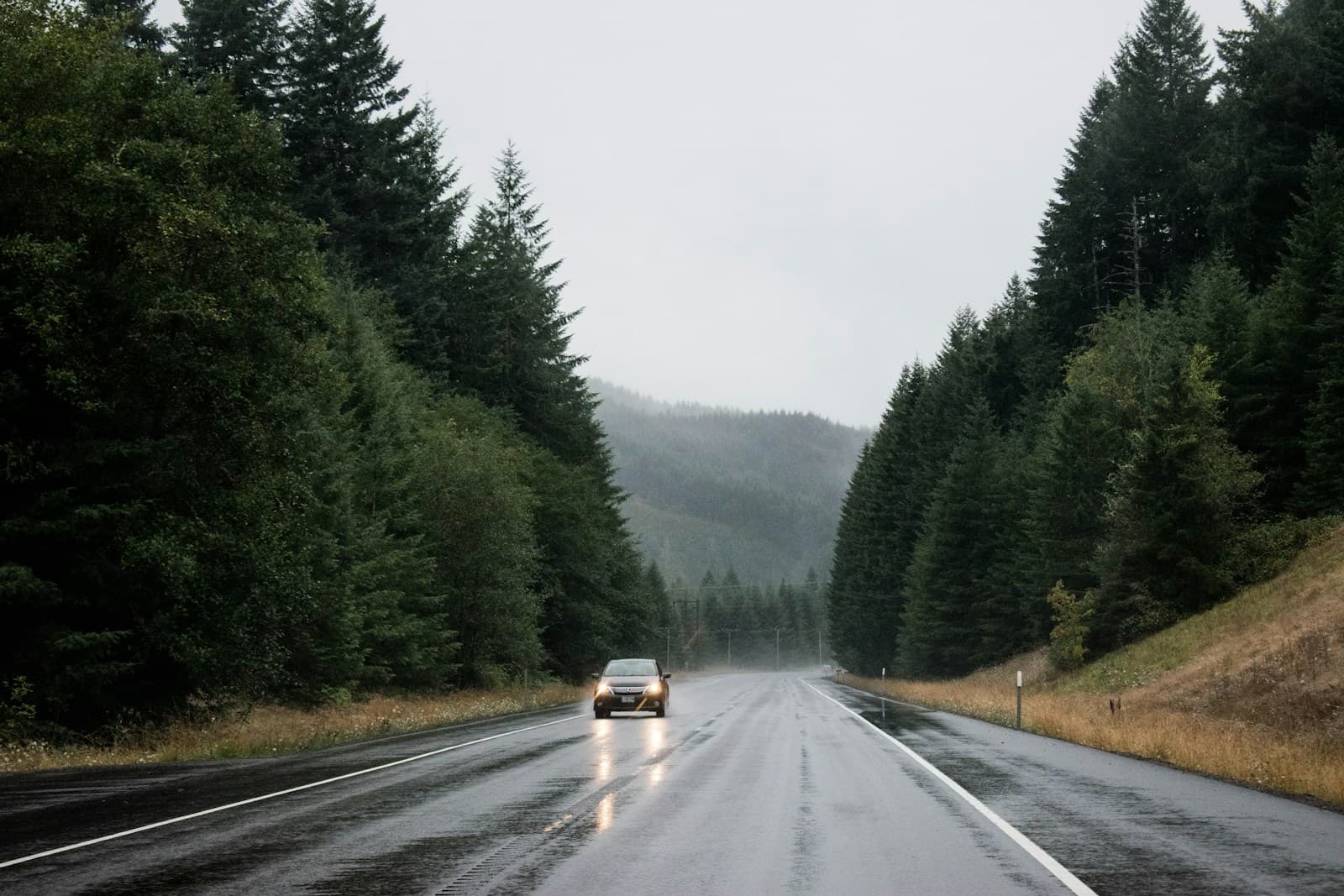
- Heavy Rainfall and Limited Road Network: Ketchikan averages over 150 inches of rain annually — among the highest in the U.S. — creating slick roads on the town's 30-mile limited road system where accidents cluster on Tongass Highway and North Tongass. Drivers with prior at-fault accidents face steeper comprehensive and collision rate increases than in drier climates.
- Seasonal Tourism Traffic Congestion: Cruise ship arrivals from May through September bring intense pedestrian and vehicle traffic to downtown and Tongass Avenue, raising accident frequency during peak months. High-risk drivers with recent violations see seasonal surcharges or restricted coverage during tourism peaks.
- Ferry-Dependent Transport and Coverage Gaps: Ketchikan's reliance on Alaska Marine Highway ferries for off-island travel means any lapse in coverage during ferry transit or temporary relocation can trigger SR-22 violations. Carriers monitor continuous coverage strictly, and even short lapses restart the 3-year SR-22 clock.
Find out exactly how long SR-22 is required in your state
Coverage Recommendations
Cost estimates are based on available industry data and vary by driver profile. These are not insurance quotes.
SR-22 Insurance
Alaska requires SR-22 filing for DUI convictions, multiple violations within 12 months, at-fault accidents without insurance, or license reinstatement after suspension. The filing itself costs $25–$50, but underlying liability coverage with a violation history runs $180–$350/month in Ketchikan, and any lapse triggers immediate license suspension and restarts the 3-year requirement.
$25–$50 filing; $180–$350/mo coverageEstimated range only. Not a quote.
Liability Insurance
Alaska mandates minimum liability limits of $50,000 per person/$100,000 per accident for bodily injury and $25,000 for property damage. High-risk drivers in Ketchikan should consider higher limits ($100,000/$300,000/$100,000) due to elevated uninsured driver rates in Southeast Alaska and tort liability exposure, adding $30–$60/month over minimum coverage.
$120–$250/mo for minimum; $150–$310/mo for higher limitsEstimated range only. Not a quote.
Uninsured Motorist Coverage
With Southeast Alaska's uninsured driver rates 15–25% above the state average, uninsured/underinsured motorist coverage is critical for high-risk drivers who already face financial strain. Coverage matching liability limits adds $25–$50/month but protects against out-of-pocket costs if hit by an uninsured driver on Tongass Highway or downtown.
$25–$50/mo added costEstimated range only. Not a quote.
Non-Standard Auto Insurance
Drivers with recent DUIs, multiple violations, or SR-22 requirements in Ketchikan typically need non-standard carriers willing to accept high-risk profiles. These insurers — often operating remotely rather than locally — charge 50–150% more than standard rates but offer the only path to legal driving and eventual rate reduction as violations age off after 3–5 years.
$180–$350/mo typical non-standard rangeEstimated range only. Not a quote.