
California SR-22 & High-Risk Auto Insurance
California requires 30/60/15 liability coverage and is an at-fault state.
Get SR-22 Quotes NowCalifornia at a Glance
30/60/15
Minimum liability limits, in thousands of dollars (per person / per accident / property)
At-fault
The at-fault driver's insurance pays for the damage they cause
Optional
PIP and uninsured motorist coverage are not required by law
$55
State license reinstatement fee
Source: state DMV, insurance department and statute records, verified July 2026
State Requirements
Drivers with DUI convictions, license suspensions for violations, at-fault uninsured accidents, or multiple moving violations within 12 months typically face SR-22 filing requirements. The California DMV mandates continuous SR-22 certification for 3 years from the date of violation or reinstatement. These minimums rarely satisfy judgment amounts in serious accidents, and non-standard carriers often require higher limits to write high-risk policies.
Liability Insurance
SR-22 Insurance
Uninsured Motorist Coverage
Collision Coverage
Comprehensive Coverage
Cost Overview
$42/mo
Typical monthly rate in California, non-owner policies
Rate data: Insure.com, 2026
What Affects Your Rate
- Years since violation: Rates drop significantly at the 3-year and 5-year marks as violations age off standard lookback periods
- Carrier availability: Non-standard market has fewer competitors than standard, reducing price competition in high-risk segments
- Credit-based insurance score: California allows insurers to use credit as a rating factor, and prior lapses or financial issues compound high-risk premiums
- Vehicle type: High-performance, luxury, or frequently stolen models increase comprehensive and collision premiums for high-risk drivers
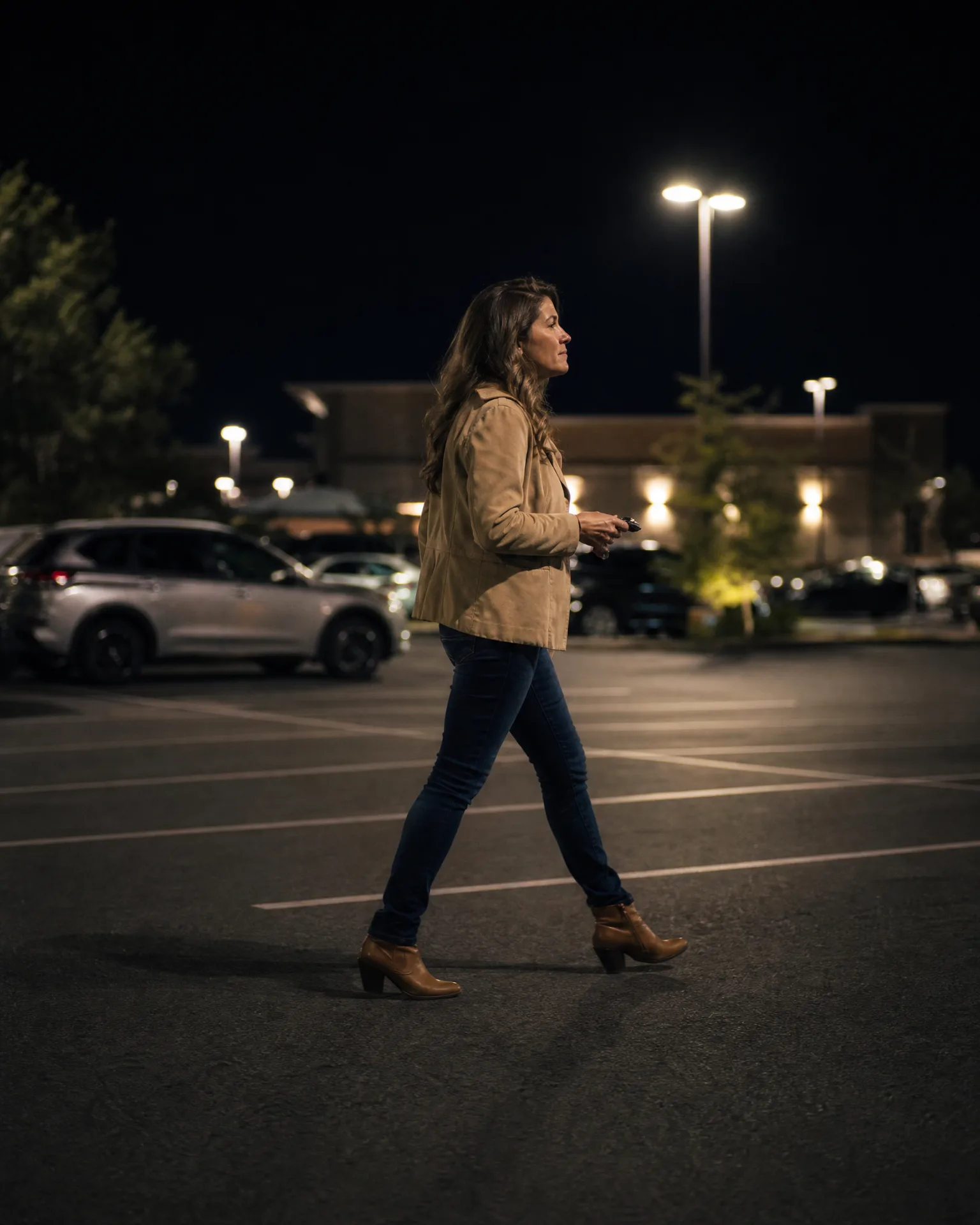
Get Your SR-22 Even Without a Car
Get SR-22 Quotes NowIf your license is suspended
Restricted driver license
A restricted license is available while suspended.
A coverage lapse is reported
The state can act when your insurance lapses.
Source: state DMV, insurance department and statute records, verified July 2026
Frequently Asked Questions
How long do I need SR-22 in California after a DUI?
California requires SR-22 filing for 3 years from the date of your DUI conviction or license reinstatement, whichever is later. If your insurance lapses at any point during those 3 years, the DMV restarts the entire requirement from zero. Continuous coverage with the same or a different carrier that files SR-22 is mandatory for the full period.
Which insurance companies offer SR-22 in California?
Non-standard carriers that actively write SR-22 policies in California include The General, Bristol West, Acceptance Insurance, GAINSCO, Kemper, and Progressive. Many standard carriers like State Farm or Allstate will cancel existing policies after a DUI rather than file SR-22, forcing drivers into the non-standard market. Always confirm SR-22 filing capability before purchasing a policy to avoid gaps that restart your 3-year requirement.
Do I need SR-22 for reckless driving in California?
California often requires SR-22 filing for reckless driving convictions under Vehicle Code 23103, particularly if the incident involved injury, excessive speed, or occurred while your license was already suspended. The DMV evaluates each case individually, but most reckless driving convictions trigger the 3-year SR-22 requirement. You will receive a notice from the DMV specifying whether SR-22 is mandated for your specific violation.
Coverage Types
SR-22 Insurance
Proof of financial responsibility filing required by the California DMV after DUI, suspension, or serious violations. The SR-22 certificate costs $15–$25 to file, but the underlying high-risk policy drives the real expense.
Liability Insurance
Covers bodily injury and property damage you cause to others in an accident. California's 15/30/5 minimums are insufficient for most serious accidents, leaving you personally liable for amounts exceeding your limits.
Uninsured Motorist Coverage
Protects you when an at-fault driver has no insurance or inadequate limits. California has approximately 16% uninsured drivers, creating significant exposure for drivers who cannot afford another incident on their record.
Non-Standard Auto Insurance
Specialized coverage for drivers rejected by standard carriers due to DUI, violations, lapses, or accidents. Non-standard insurers accept higher risk but charge significantly elevated premiums and offer fewer discounts.
Collision Coverage
Pays for damage to your vehicle from accidents regardless of fault. High-risk drivers face deductibles of $1,000–$2,500, substantially higher than standard market norms of $500–$1,000.
Comprehensive Coverage
Covers theft, vandalism, fire, and weather damage. California leads the nation in vehicle thefts, with over 200,000 stolen annually, making comprehensive coverage valuable but expensive for high-risk drivers.