What Affects Rates in Long Beach
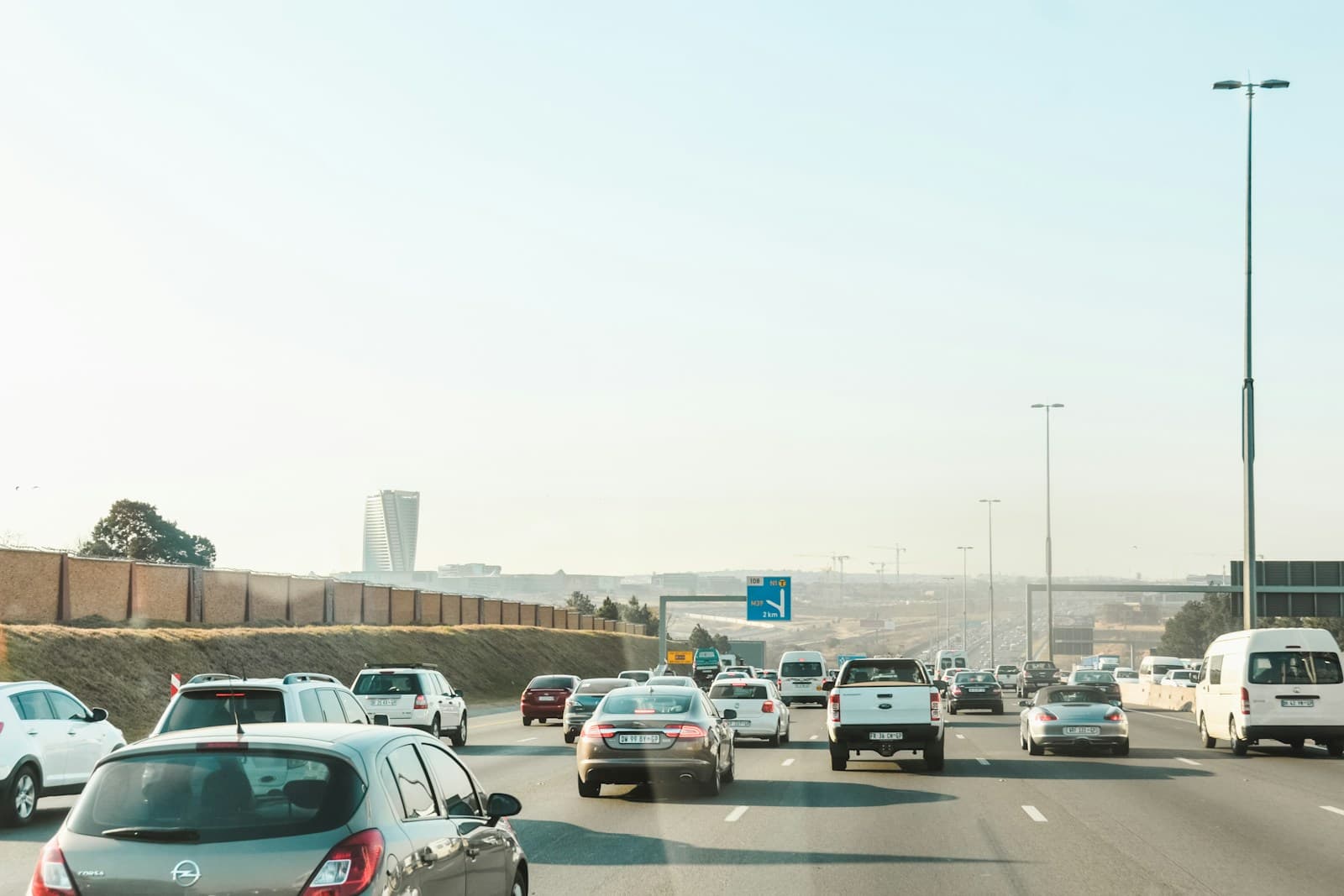
- Pacific Coast Highway Accident Corridor: PCH through Long Beach sees high accident frequency due to tourist traffic mixing with commuters, particularly near Belmont Shore and the 710 interchange. High-risk drivers with at-fault accidents face steeper rate increases here than in lower-traffic inland areas.
- Port Traffic Density: The Port of Long Beach generates heavy commercial truck traffic on the 710, 405, and local arterials, raising collision risk and claims frequency. Insurers price this density into high-risk policies, especially for drivers with prior at-fault incidents.
- Uninsured Motorist Concentration: Los Angeles County, including Long Beach, has higher uninsured driver rates than California's inland regions. High-risk drivers often see elevated uninsured motorist coverage costs due to increased likelihood of claims involving uninsured parties.
- DUI Enforcement Corridors: Long Beach Police and CHP conduct frequent DUI checkpoints along 2nd Street, Ocean Boulevard, and PCH. Drivers with existing DUI convictions face compounded rate increases if cited again in these high-enforcement zones.
- Non-Standard Carrier Availability: Long Beach's urban density supports multiple non-standard insurers willing to write SR-22 policies, including regional carriers that underwrite coastal California risk. Competition among non-standard carriers can moderately reduce premiums compared to rural areas with fewer options.
Find out exactly how long SR-22 is required in your state
Coverage Recommendations
Cost estimates are based on available industry data and vary by driver profile. These are not insurance quotes.
SR-22 Insurance
California requires SR-22 filings for DUI convictions, license suspensions, and certain repeat violations. Your insurer files proof of minimum liability (15/30/5) with the DMV; any lapse triggers automatic suspension, so continuous coverage is mandatory for the full 3-year period.
$25–$50 filing fee plus higher premiumEstimated range only. Not a quote.
Liability Insurance
California's 15/30/5 minimum is often inadequate in Long Beach accident claims. High-risk drivers should consider 50/100/50 or higher to avoid out-of-pocket exposure, especially given the port area's commercial vehicle traffic and higher medical costs in Los Angeles County.
$140–$320/month for high-risk driversEstimated range only. Not a quote.
Uninsured Motorist Coverage
Uninsured motorist coverage protects you when hit by a driver without insurance—common in Long Beach's dense urban environment. California requires insurers to offer UM/UIM equal to your liability limits; rejecting it must be in writing. High-risk drivers often benefit from matching their liability and UM limits.
$30–$75/month additionalEstimated range only. Not a quote.
Non-Standard Auto Insurance
Non-standard carriers specialize in high-risk profiles including DUIs, SR-22 requirements, lapses, and multiple violations. Long Beach has access to regional non-standard insurers that underwrite coastal California risk, often at lower rates than standard carriers charging high-risk surcharges.
$185–$425/month total premiumEstimated range only. Not a quote.