What Affects Rates in Olathe
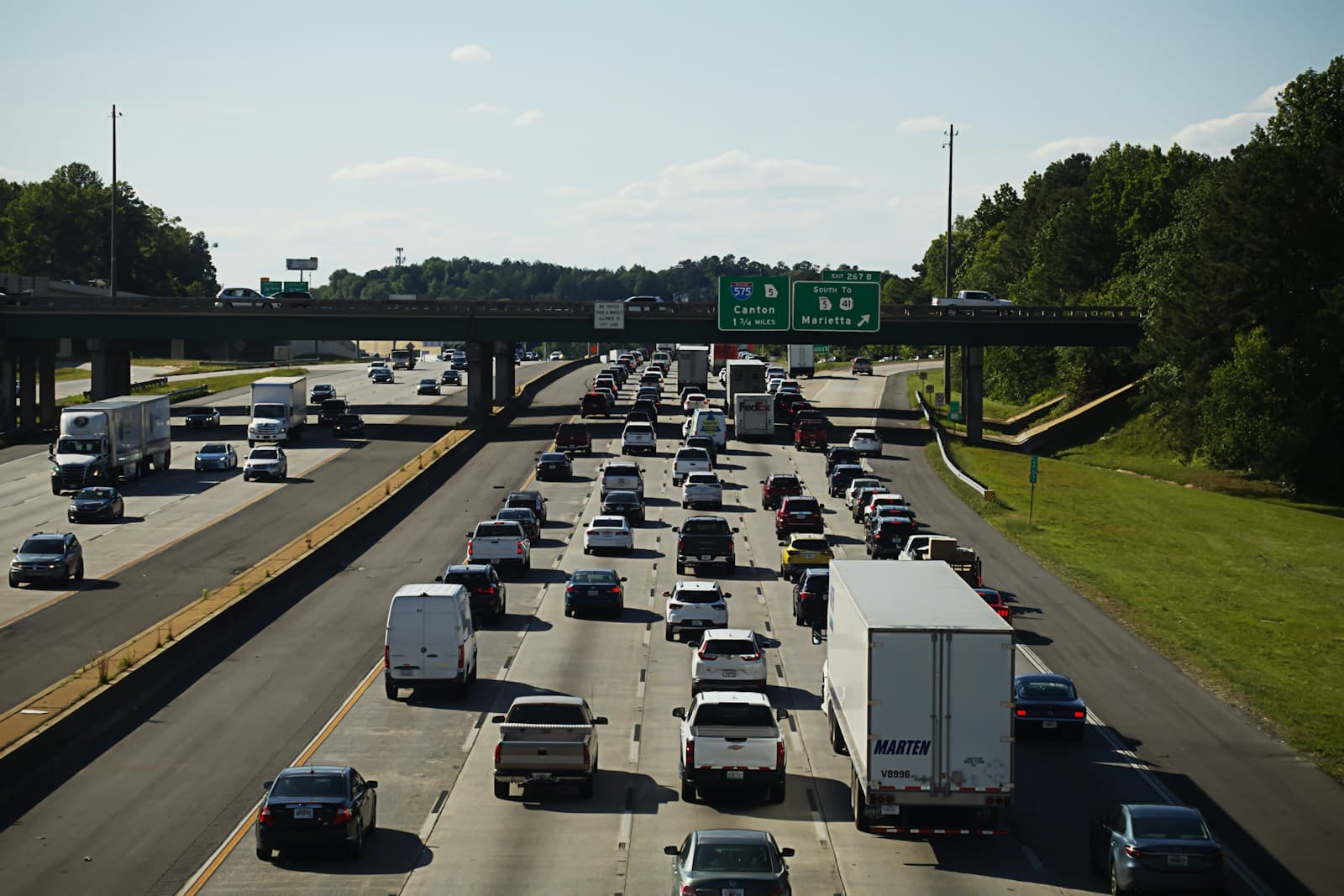
- I-35 and Santa Fe Corridor Density: Olathe sits along I-35, a major commercial trucking route connecting Kansas City metro to Wichita, with heavy daily traffic through the Santa Fe and 119th Street interchanges. High-risk drivers with at-fault accidents face steeper rate increases here due to elevated collision frequency in these corridors compared to rural Kansas zip codes.
- Johnson County Court System: Johnson County District Court processes DUI and reckless driving cases with conviction data feeding directly into state MVR records, which insurers pull for underwriting. A DUI conviction here triggers mandatory SR-22 filing and typically results in 2–4x base rate increases for 3–5 years.
- Uninsured Driver Concentration: Kansas ranks in the middle nationally for uninsured motorists at approximately 10–12%, but Olathe's proximity to the Kansas City metro—where uninsured rates trend higher—means high-risk drivers should prioritize uninsured motorist coverage to avoid out-of-pocket costs if hit by an uninsured driver while already carrying elevated premiums.
- Suburban Growth and New Construction Zones: Rapid residential and commercial development in western Olathe near K-7 and along 151st Street creates construction zone congestion and detour patterns. High-risk drivers with existing violations face higher claim probability in these areas, which insurers factor into zip-based rating for non-standard policies.
- Winter Weather Exposure: Olathe averages 15–18 inches of snow annually with ice storms between December and February, increasing collision risk on elevated interchanges and bridges. High-risk drivers with prior at-fault accidents see compounded rate impact if they file weather-related claims, as insurers view pattern risk more severely than isolated incidents.

Find out exactly how long SR-22 is required in your state
Coverage Recommendations
Cost estimates are based on available industry data and vary by driver profile. These are not insurance quotes.
SR-22 Insurance
Kansas requires SR-22 for 3 years following DUI, driving while suspended, or multiple violations. The SR-22 itself costs $25–$50 to file, but underlying high-risk premiums run $180–$350/month in Olathe depending on violation type and carrier.
$25–$50 filing + high-risk premiumEstimated range only. Not a quote.
Liability Insurance
Kansas mandates 25/50/25 minimums, but high-risk drivers should carry 100/300/100 given tort state rules—you're personally liable for damages exceeding your limits. Olathe's I-35 traffic increases multi-vehicle accident risk, making higher limits critical for drivers already facing rate penalties.
$120–$280/month for 100/300/100Estimated range only. Not a quote.
Uninsured Motorist Coverage
Not required in Kansas but essential in the Kansas City metro area where uninsured rates run 10–12%. If you're hit by an uninsured driver while carrying SR-22, you'll pay out-of-pocket for injuries and repairs unless you carry UM/UIM coverage—typically $15–$30/month additional.
$15–$30/month add-onEstimated range only. Not a quote.
Non-Standard Auto Insurance
Drivers with multiple DUIs, suspended licenses, or recent lapses often need non-standard carriers operating in Olathe. These policies cost 50–200% more than standard rates but provide state-required coverage and SR-22 filing when preferred carriers decline applications.
$200–$400/month typical rangeEstimated range only. Not a quote.