What Affects Rates in Overland Park
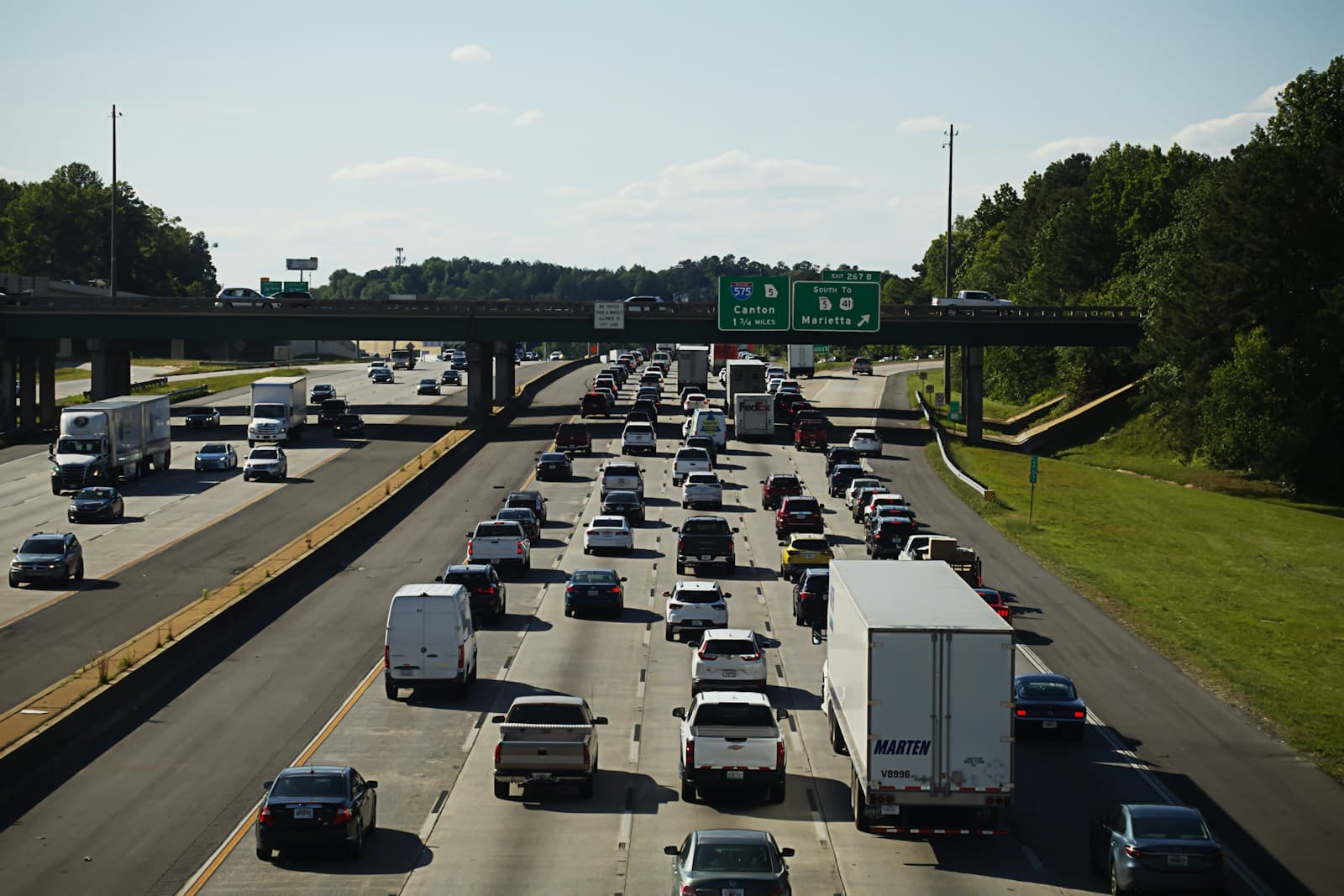
- I-35 and US-69 Commuter Density: Overland Park sits at the convergence of I-35 and US-69, creating heavy commuter traffic through the Kansas City metro. High-risk drivers face elevated premiums due to increased accident exposure during rush hours, particularly along the I-435 interchange and College Boulevard corridors where rear-end collisions and lane-change incidents are common.
- Johnson County Court Oversight: Johnson County District Court processes DUI and reckless driving cases with mandatory SR-22 filing upon license reinstatement. The county's strict enforcement and high conviction rate mean most high-risk drivers in Overland Park face the full 3-year SR-22 period with no early release, directly impacting premium duration.
- Suburban Commercial Strip Development: Metcalf Avenue, 135th Street, and other major commercial corridors generate high claim frequency from parking lot accidents, distracted driving incidents, and pedestrian conflicts. Insurers view Overland Park ZIP codes 66204, 66212, and 66223 as moderate-to-high risk areas, adding 8–15% to base premiums for drivers with existing violations.
- Uninsured Motorist Concentration: While Kansas averages 11% uninsured drivers statewide, the Kansas City metro corridor including Overland Park sees higher rates due to cross-state commuter traffic and transient populations. High-risk drivers already paying elevated premiums face additional exposure if hit by an uninsured driver, making uninsured motorist coverage critical despite the added cost.
- Winter Weather Impact on At-Fault Claims: Overland Park experiences ice storms and snow events between December and March, spiking single-vehicle and multi-car accidents along I-435 and Shawnee Mission Parkway. Drivers with existing at-fault accidents on record see steeper premium increases after winter claims, as insurers treat repeat at-fault incidents as high predictive risk.

Find out exactly how long SR-22 is required in your state
Coverage Recommendations
Cost estimates are based on available industry data and vary by driver profile. These are not insurance quotes.
SR-22 Insurance
Kansas requires SR-22 filing for 3 years following DUI, reckless driving, driving under suspension, or multiple violations within 12 months. The SR-22 itself is a state filing, not a policy type—you need an active liability policy with continuous coverage, or the state suspends your license again. Lapses restart the 3-year clock.
$25–$50 filing fee plus elevated premiumsEstimated range only. Not a quote.
Liability Insurance
Kansas minimum liability is 25/50/25 ($25k bodily injury per person, $50k per accident, $25k property damage). High-risk drivers often cannot secure standard market coverage and must use non-standard carriers charging $150–$300/month for state minimums. Many underwriters require 50/100/50 limits for SR-22 drivers to reduce their own exposure.
$1,800–$3,600/year for minimumsEstimated range only. Not a quote.
Uninsured Motorist Coverage
Kansas does not mandate uninsured motorist coverage, but approximately 11% of drivers statewide carry no insurance—higher in metro areas like Overland Park due to cross-state traffic. For high-risk drivers with limited savings, UM coverage protects against out-of-pocket costs if hit by an uninsured driver, especially critical given your own premium investment.
$15–$40/month additionalEstimated range only. Not a quote.
Non-Standard Auto Insurance
Drivers with DUIs, suspensions, or multiple violations typically cannot access State Farm, Geico, or other standard carriers in Overland Park. Non-standard insurers like The General, Acceptance, and Bristol West specialize in high-risk profiles and offer SR-22 filing, but charge 200–400% above standard rates with limited coverage options and higher down payments.
$200–$350/month typical rangeEstimated range only. Not a quote.