What Affects Rates in Lee S Summit
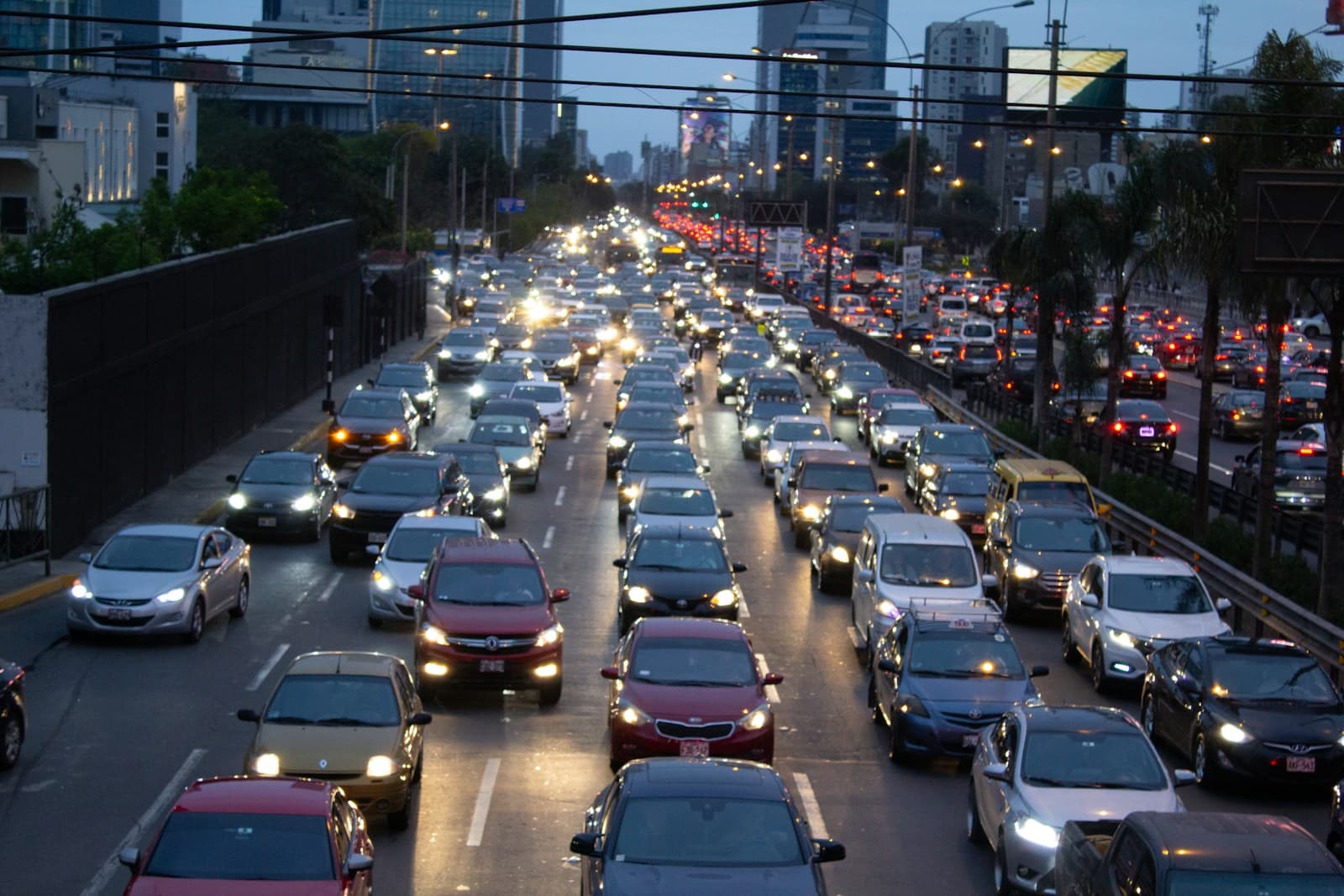
- I-470 and US-50 Commuter Congestion: Lee's Summit sits at the intersection of I-470 and US-50, major commuter arteries serving Kansas City metro traffic. High-risk drivers face steeper premiums here because insurers track elevated accident frequency on these corridors, particularly during morning and evening rush periods when at-fault collisions are most common.
- Jackson County Court System Processing: DUI and major violation cases processed through Jackson County courts can affect SR-22 filing timelines and insurance reinstatement, as court reporting delays sometimes extend the period before drivers can obtain non-owner or owner SR-22 policies. Insurers price this administrative friction into Lee's Summit high-risk premiums.
- Suburban Growth and New Driver Density: Lee's Summit's rapid suburban expansion brings higher concentrations of young and newly licensed drivers, which correlates with increased uninsured motorist risk. High-risk drivers already paying elevated premiums see additional upward pressure because insurers account for the likelihood of collisions with underinsured or uninsured motorists in growing suburbs.
- Kansas City Metro Uninsured Rate: Missouri's uninsured motorist rate hovers near 11–13%, and the Kansas City metro area including Lee's Summit reflects similar patterns. Drivers with SR-22 requirements or recent violations are quoted higher uninsured motorist coverage premiums because insurers anticipate greater financial exposure in areas with above-national-average uninsured populations.
- Winter Weather Collision Spikes: Lee's Summit experiences ice storms and freezing rain between December and February, producing collision clusters on I-470, US-50, and residential arterials. High-risk drivers see insurers factor these seasonal spikes into annual premiums, as any additional at-fault claim during the SR-22 filing period can trigger non-renewal or assignment to the state risk pool.
Find out exactly how long SR-22 is required in your state
Coverage Recommendations
Cost estimates are based on available industry data and vary by driver profile. These are not insurance quotes.
SR-22 Insurance
Missouri requires SR-22 certification for DUI convictions, multiple violations within a short period, at-fault accidents without insurance, or license reinstatement after suspension. The SR-22 itself is a $25–$50 filing your insurer submits to the Missouri Department of Revenue; the underlying liability policy for high-risk drivers in Lee's Summit typically costs $175–$325/month.
$25–$50 filing + high-risk premiumEstimated range only. Not a quote.
Liability Insurance
Missouri mandates minimum liability limits of 25/50/25 ($25,000 bodily injury per person, $50,000 per accident, $25,000 property damage). High-risk drivers in Lee's Summit often find only state-minimum policies available from non-standard carriers, but higher limits—50/100/50 or 100/300/100—reduce out-of-pocket exposure if you cause another accident during your SR-22 period.
State minimum: $175–$250/month high-riskEstimated range only. Not a quote.
Uninsured Motorist Coverage
With Missouri's uninsured rate near 11–13% and Lee's Summit's commuter traffic mixing insured and uninsured drivers daily, uninsured motorist coverage protects you financially if hit by a driver without insurance. High-risk drivers should carry UM limits matching their liability limits, as another at-fault accident or uncompensated injury can worsen insurance access and costs.
Adds $20–$60/month to high-risk policyEstimated range only. Not a quote.
Non-Standard Auto Insurance
Non-standard carriers write policies for drivers with DUIs, multiple violations, lapses, or SR-22 requirements when Allstate, State Farm, and other standard insurers decline coverage. In Lee's Summit, non-standard insurers and the Missouri Automobile Insurance Plan (MAIP) serve as the primary market for drivers unable to secure standard coverage; expect higher premiums but guaranteed issue if you meet state minimums.
$2,100–$3,900/year typical rangeEstimated range only. Not a quote.