What Affects Rates in Missoula
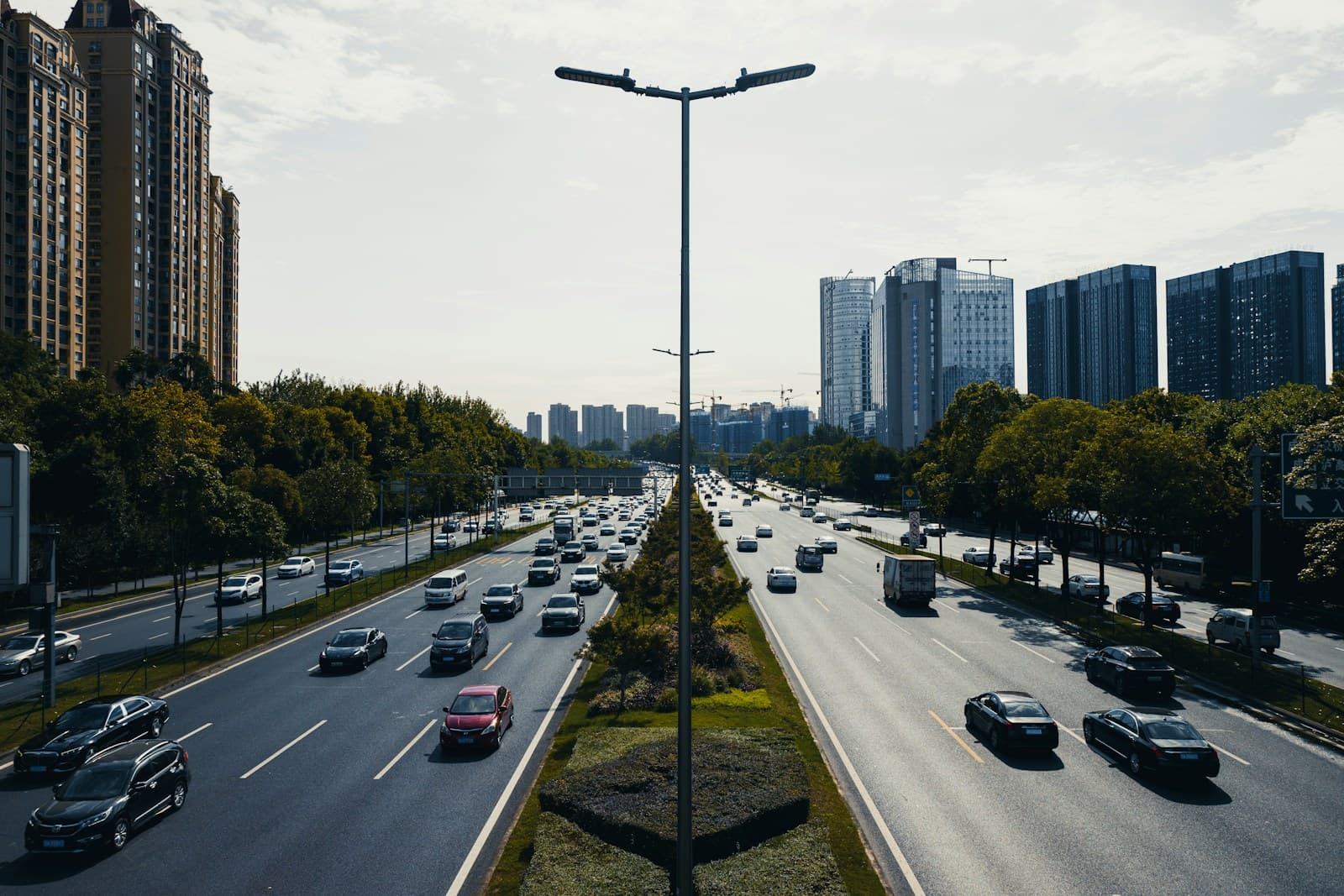
- Reserve Street and Brooks Street Corridor Density: Missoula's primary commercial corridors see concentrated traffic volume with frequent rear-end and merging collisions, particularly during tourist season May–September. High-risk drivers with at-fault accidents face steeper increases here due to elevated claim frequency along these routes.
- Winter Driving Conditions and Black Ice: Missoula averages 39 inches of snow annually, with black ice common on I-90 approaches and residential hills November–March. Carriers price comprehensive and collision higher for drivers with prior at-fault winter accidents, and SR-22 filers see 15–25% seasonal surcharges during winter months.
- University of Montana Student Population Influence: The UM student population of over 10,000 creates seasonal traffic pattern shifts and higher claim rates in campus-adjacent neighborhoods. High-risk drivers living in zip codes 59801 and 59802 often face slightly elevated base rates due to increased accident density during academic terms.
- Rural Two-Lane Highway Exposure: Commuters on US-93 and MT-200 face higher wildlife collision risk and limited shoulder space, with elk and deer strikes peaking at dawn and dusk. Comprehensive coverage costs 10–20% more for high-risk drivers with prior claims, and liability exposure increases on undivided rural routes.
- Uninsured Motorist Rate in Western Montana: Montana's statewide uninsured motorist rate sits near 12%, with rural areas surrounding Missoula trending higher. High-risk drivers are often required by non-standard carriers to carry uninsured motorist coverage at or above state minimums to offset elevated exposure.

Find out exactly how long SR-22 is required in your state
Coverage Recommendations
Cost estimates are based on available industry data and vary by driver profile. These are not insurance quotes.
SR-22 Insurance
The SR-22 is a state filing, not a policy—your insurer submits proof of continuous coverage to Montana MVD for 3 years following a DUI, suspended license, or major violation. Expect the insurer to charge a $25–$50 one-time filing fee, plus the elevated premium for high-risk coverage itself.
$25–$50 filing + high-risk premiumEstimated range only. Not a quote.
Liability Insurance
Montana requires $25,000 bodily injury per person, $50,000 per accident, and $20,000 property damage. High-risk drivers in Missoula should consider higher limits—$50,000/$100,000/$50,000 or greater—due to comparative negligence rules that can leave you partially liable even when not fully at fault.
$900–$2,200/year for state minimumsEstimated range only. Not a quote.
Uninsured Motorist Coverage
Montana's 12% uninsured rate and rural highway exposure make this coverage critical for high-risk drivers who cannot afford out-of-pocket expenses if hit by an uninsured driver. Non-standard carriers often mandate it at state minimum levels or higher as a condition of SR-22 coverage.
$150–$400/year added costEstimated range only. Not a quote.
Comprehensive & Collision
Optional unless financing a vehicle, but winter ice damage and wildlife strikes make comprehensive valuable for Missoula drivers. High-risk premiums for full coverage range $2,400–$4,800/year; consider higher deductibles ($500–$1,000) to lower monthly costs if your record includes at-fault accidents.
$2,400–$4,800/year combinedEstimated range only. Not a quote.