What Affects Rates in Great Falls
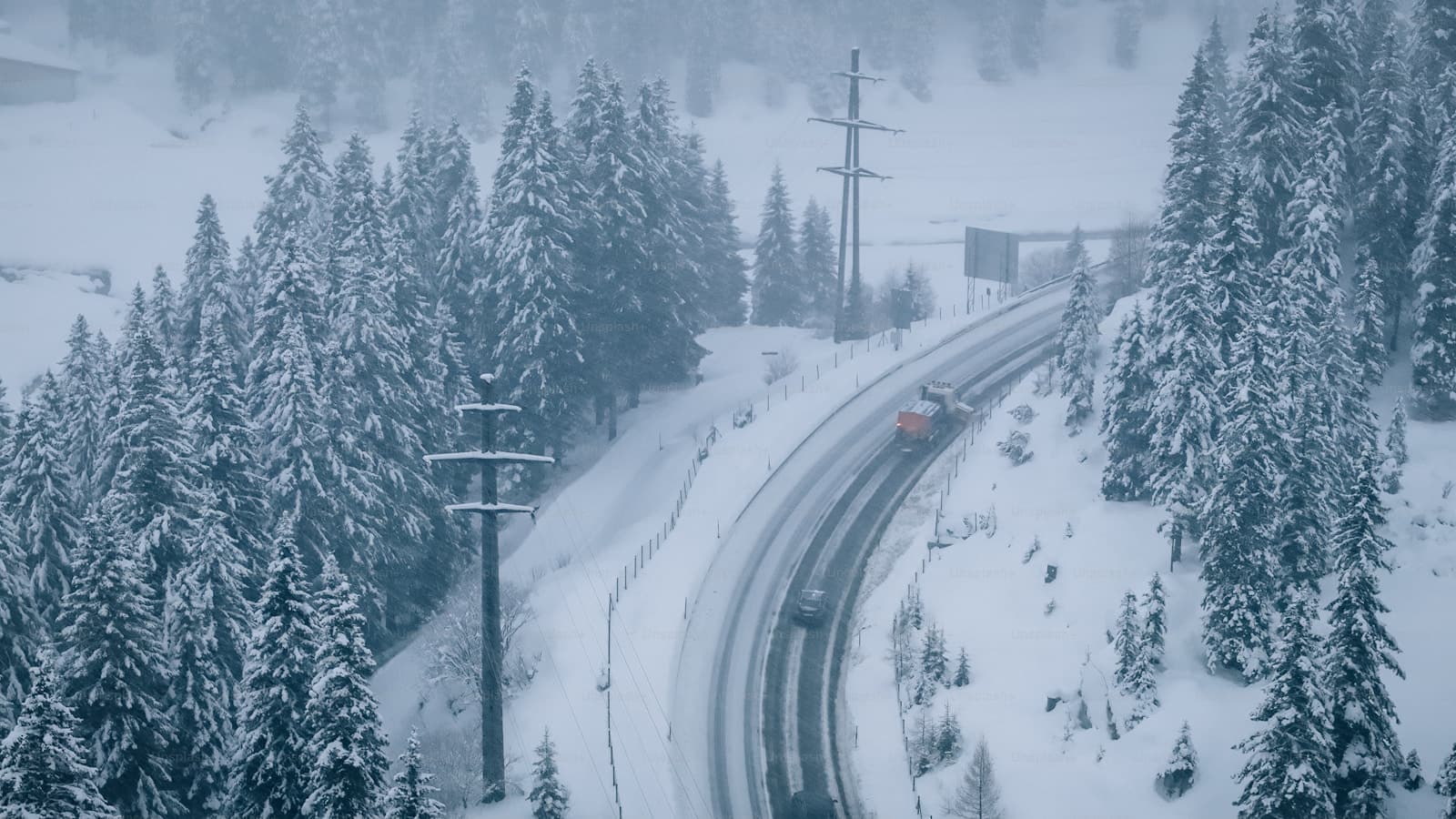
- Rural Highway Accident Rates: US-87 and US-89 corridors through Great Falls see elevated accident rates during winter months, particularly ice-related incidents. High-risk drivers with prior at-fault accidents face steeper increases here than in cities with lower highway commute density.
- Winter Weather Claims Concentration: Great Falls averages 56 inches of snow annually with frequent black ice conditions from November through February. Insurers price high-risk policies with this extended winter claim period factored in, raising premiums 15–25% over milder Montana cities.
- Cascade County Court Processing Times: DUI convictions in Cascade County typically finalize within 4–6 months, triggering SR-22 filing requirements. Faster court processing means your SR-22 period starts sooner, but any lapses during those 3 years restart the clock.
- Limited Non-Standard Carrier Presence: Great Falls has fewer physical offices for non-standard carriers compared to Billings or Missoula, though most high-risk insurers operate statewide through agents or direct channels. Rate shopping is essential since quotes can vary $800–$1,500/year between carriers for identical violation profiles.
- Uninsured Motorist Rate: Montana's uninsured motorist rate sits near 11%, slightly above national average. For high-risk drivers already paying elevated premiums, adding uninsured/underinsured motorist coverage costs $10–$25/month but protects against uncollectable claims on rural highways.
Find out exactly how long SR-22 is required in your state
Coverage Recommendations
Cost estimates are based on available industry data and vary by driver profile. These are not insurance quotes.
SR-22 Insurance
SR-22 is a certificate your insurer files with Montana MVD proving you carry minimum liability coverage. Required for 3 years after DUI, reckless driving, or driving uninsured. The filing itself costs $25–$50, but the violation raising your rates is the larger expense.
$25–$50 filing fee; premiums $1,800–$3,600/yearEstimated range only. Not a quote.
Liability Insurance
Montana requires 25/50/20 minimums, but high-risk drivers should consider 100/300/100 limits. At-fault accidents on rural highways like US-87 often involve significant injury claims, and minimum coverage leaves you personally liable for the difference.
$100–$200/mo for state minimums with violationsEstimated range only. Not a quote.
Uninsured Motorist Coverage
Covers your injuries and damage when hit by uninsured drivers, who represent roughly 11% of Montana motorists. Optional but recommended for high-risk drivers who can't afford a second premium spike from an uncollectable claim.
$10–$25/mo added costEstimated range only. Not a quote.
Non-Standard Auto Insurance
Non-standard carriers specialize in high-risk profiles that standard insurers decline or quote prohibitively. Great Falls drivers with multiple DUIs, suspended licenses, or SR-22 requirements often find coverage only through these providers, though rates improve after 3–5 years of clean driving.
$1,800–$4,500/year depending on violation severityEstimated range only. Not a quote.