What Affects Rates in Grand Island
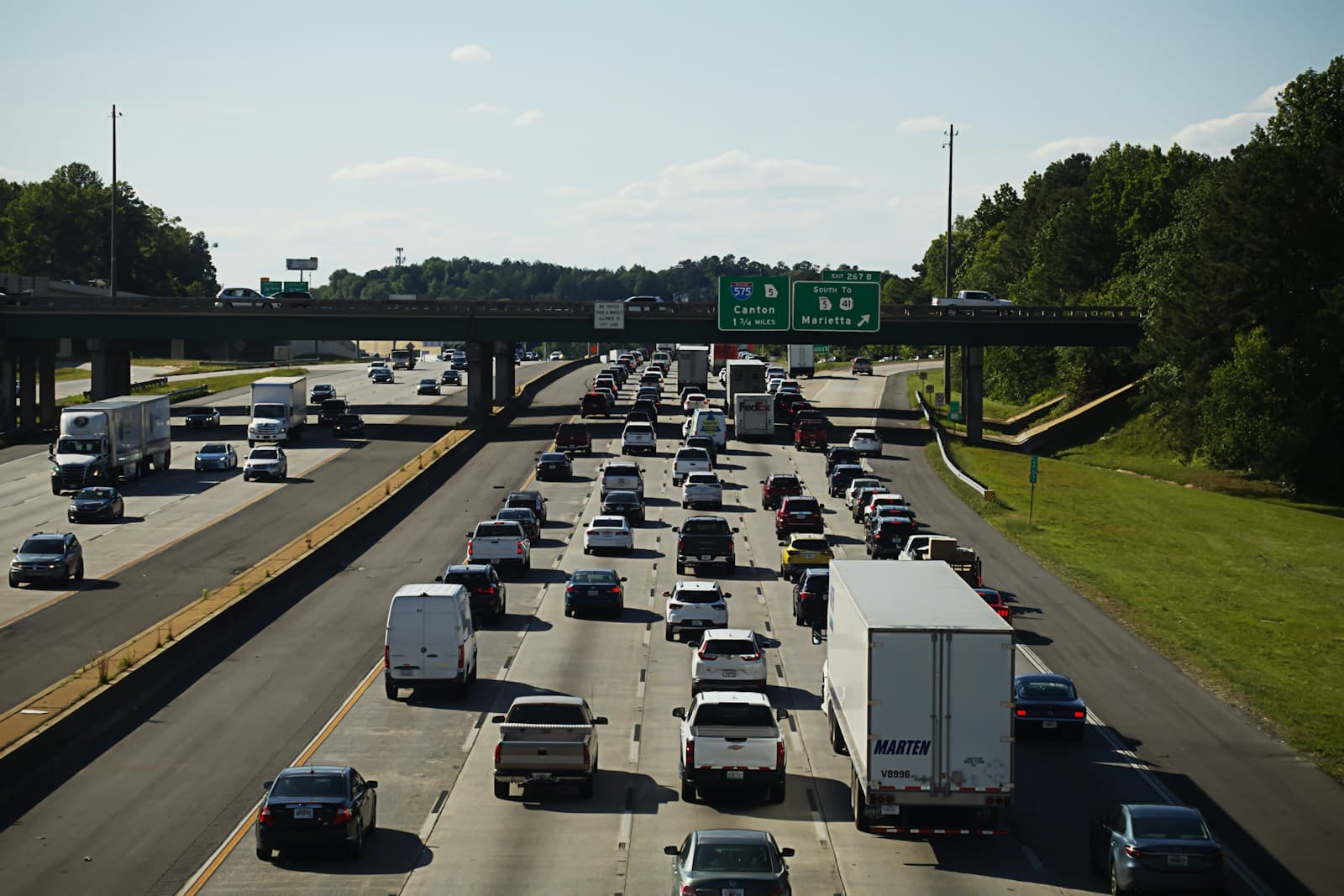
- Rural Highway Access and Accident Patterns: Grand Island sits at the intersection of I-80 and US-281, creating elevated accident exposure for high-risk drivers. Multi-vehicle collisions on high-speed rural corridors typically result in higher liability claims, which insurers price into SR-22 and non-standard policies for this area.
- Hall County Court System and DUI Processing: Hall County processes DUI cases through the county court in Grand Island, where first-offense DUI convictions trigger mandatory SR-22 filing and license revocation for six months. The local court's conviction rate and sentencing consistency directly affect how insurers assess DUI risk for Grand Island applicants.
- Winter Weather and High-Risk Driver Exposure: Grand Island averages 28 inches of snow annually, with I-80 closures and black ice common December through February. Drivers with at-fault accidents already on record face steeper rate increases here than in urban areas with better road maintenance, as winter claims add to existing risk profiles.
- Limited High-Risk Carrier Competition: Grand Island's smaller insurance market means fewer non-standard carriers operate locally compared to Lincoln or Omaha. Drivers with SR-22 requirements often work with state-assigned risk pools or regional carriers, which reduces rate competition and can result in 15–25% higher premiums than metro Nebraska areas.
- Agricultural and Commercial Traffic Mix: Heavy farm equipment and commercial trucks share routes like Highway 34 and Highway 30 with passenger vehicles, increasing accident severity risk. High-risk drivers in Grand Island face higher liability costs due to the potential for costly collisions involving commercial vehicles or agricultural machinery.
Find out exactly how long SR-22 is required in your state
Coverage Recommendations
Cost estimates are based on available industry data and vary by driver profile. These are not insurance quotes.
SR-22 Insurance
Nebraska requires SR-22 filings for three years following DUI convictions, multiple violations, driving without insurance, or license suspensions. Your insurer files the SR-22 certificate with the Nebraska DMV; any lapse triggers automatic license suspension, so continuous coverage is non-negotiable.
$25–$50 filing fee plus elevated premiumsEstimated range only. Not a quote.
Liability Insurance
Nebraska mandates 25/50/25 minimum liability, but high-risk drivers in Grand Island should consider 50/100/50 or higher due to I-80 corridor accident exposure and potential for costly multi-vehicle collisions. Minimum coverage leaves you personally liable for damages exceeding your limits.
$90–$180/month for minimum; $130–$240/month for 50/100/50Estimated range only. Not a quote.
Uninsured Motorist Coverage
Nebraska's uninsured driver rate hovers around 12% statewide, with rural Hall County areas typically higher. For drivers already carrying SR-22 requirements, adding UM/UIM coverage protects against hit-and-run or uninsured at-fault drivers without triggering another violation on your record.
$15–$40/month added to policy costEstimated range only. Not a quote.
Non-Standard Auto Insurance
Drivers with multiple DUIs, suspended licenses, or repeated at-fault accidents often require non-standard policies from carriers specializing in high-risk profiles. Grand Island has fewer non-standard carriers than metro areas, so expect longer quote times and limited payment flexibility.
$180–$320/month depending on violation historyEstimated range only. Not a quote.