What Affects Rates in Lincoln
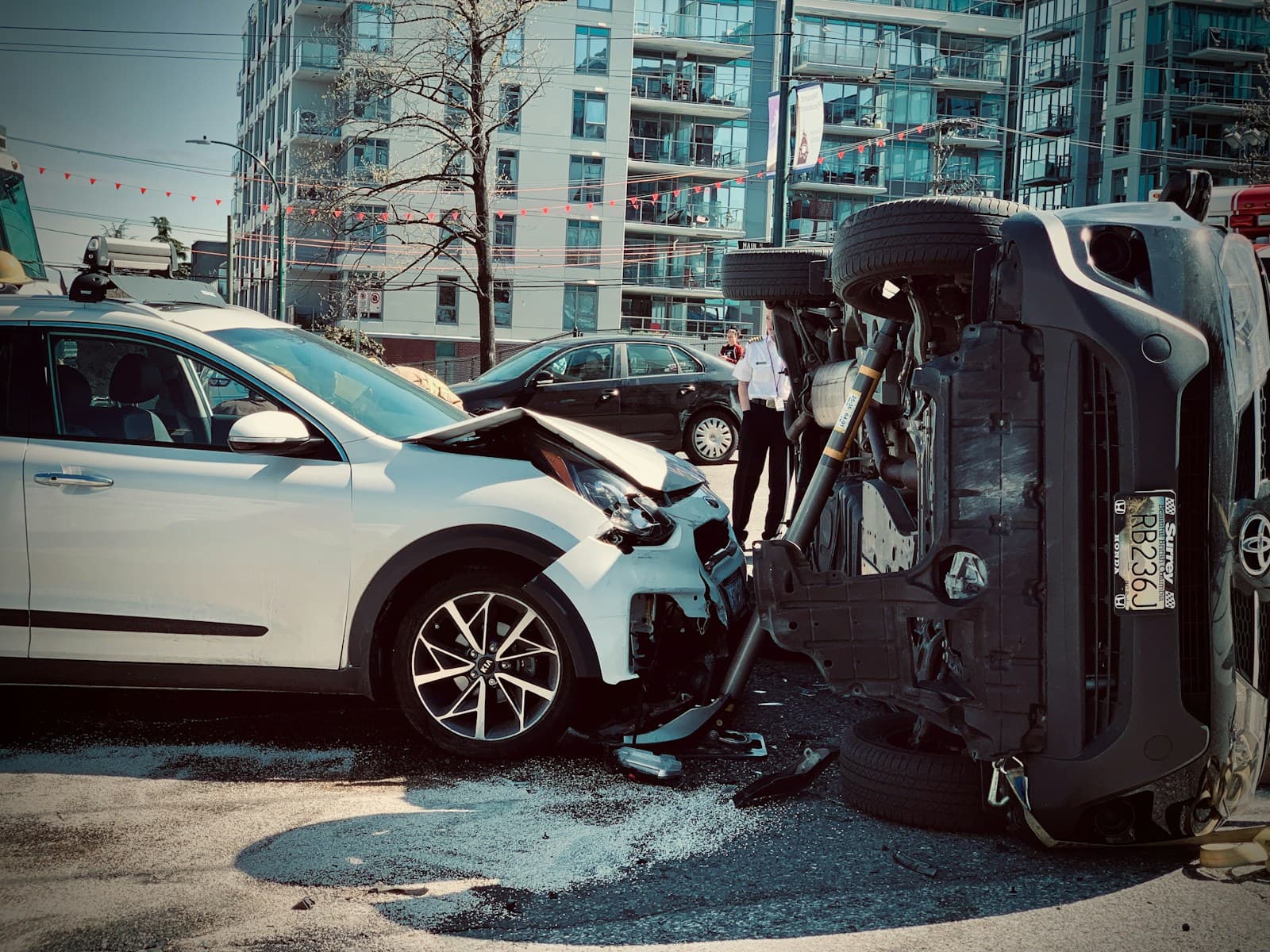
- O Street and Downtown Accident Concentration: O Street corridor and downtown Lincoln's grid see higher accident frequency due to pedestrian traffic, university populations, and commuter density. High-risk drivers with at-fault accidents already on record face steeper increases when garaging addresses fall within these zones, as carriers price for elevated repeat-incident likelihood.
- Lancaster County DUI Court Processing: Lancaster County processes over 1,000 DUI cases annually, and the county attorney's office rarely reduces first-offense DUI charges, meaning most convictions trigger the full three-year SR-22 requirement without administrative relief. Drivers cannot shorten the filing period through early compliance.
- Winter Weather Claim Patterns: Lincoln averages 26 inches of snow annually, and ice-related claims spike December through February on I-80, Highway 2, and arterial roads. Carriers track zip-level winter claim history, and high-risk drivers with prior at-fault accidents see 15–25% winter surcharges in non-standard policies.
- Uninsured Motorist Exposure: Nebraska's 13.8% uninsured motorist rate sits above the national average, and Lincoln's mix of student drivers and lower-income neighborhoods elevates risk for high-risk drivers who already carry minimum liability. Uninsured motorist coverage becomes critical but adds $15–$30/month to reinstated policies.
- Non-Standard Carrier Availability: Lincoln has active non-standard markets including The General, Direct Auto, and regional surplus lines carriers that write policies standard insurers decline. Competition among non-standard carriers keeps rates 10–20% lower than in smaller Nebraska cities where only one or two high-risk insurers operate.

Find out exactly how long SR-22 is required in your state
Coverage Recommendations
Cost estimates are based on available industry data and vary by driver profile. These are not insurance quotes.
SR-22 Insurance
Nebraska requires SR-22 for three years following DUI convictions, license suspensions for points, or at-fault accidents while uninsured. The SR-22 itself is a filing, not a policy—your insurer submits proof of continuous liability coverage to the Nebraska DMV, and any lapse triggers automatic suspension.
$25–$50 filing fee plus high-risk policy costEstimated range only. Not a quote.
Liability Insurance
Nebraska's minimum is 25/50/25 ($25k per person injury, $50k per accident, $25k property damage), but high-risk drivers in Lincoln should consider 50/100/50 or higher. If you cause another accident while on SR-22, minimum limits often won't cover damages, leaving you personally liable and extending financial consequences.
$120–$250/month for minimum; $180–$350 for 50/100/50Estimated range only. Not a quote.
Uninsured Motorist Coverage
With 13.8% of Nebraska drivers uninsured, this coverage protects you when an at-fault driver has no insurance. For high-risk drivers already paying elevated rates, an accident caused by an uninsured motorist won't raise your premium, but without this coverage you're left covering your own medical bills and vehicle damage.
$15–$35/month added to policyEstimated range only. Not a quote.
Non-Standard Auto Insurance
Non-standard carriers specialize in high-risk profiles—multiple DUIs, suspended licenses, lapses over 90 days, or drivers declined by standard markets. These policies often require higher down payments (25–40% of six-month premium) and monthly payment fees, but they provide the liability coverage required to reinstate your license and file SR-22.
$180–$350/month depending on violation severityEstimated range only. Not a quote.