What Affects Rates in Omaha
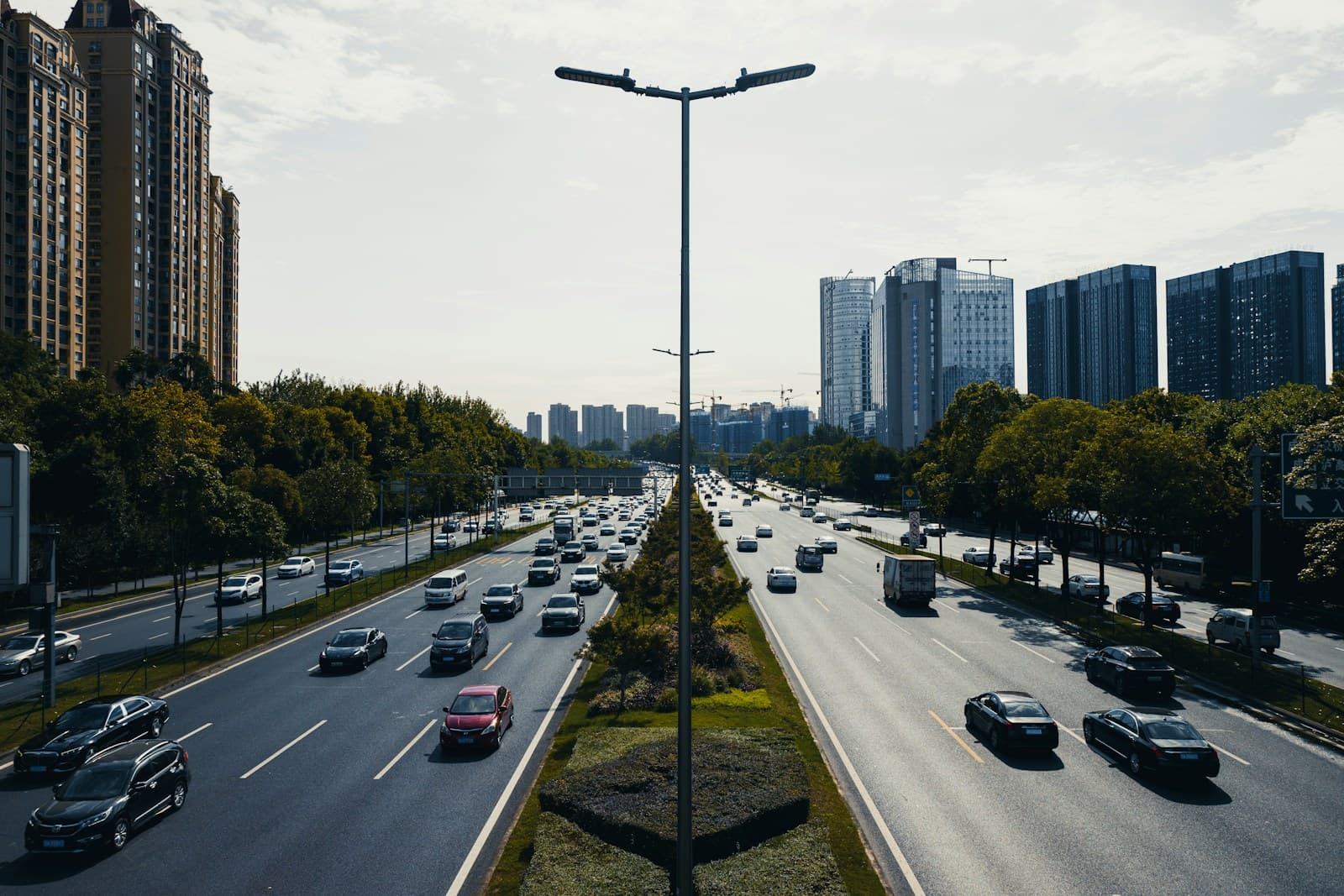
- Dodge Street and 72nd Street Corridor Traffic Density: Omaha's high-traffic corridors—particularly Dodge Street and the 72nd Street commercial zone—generate elevated accident frequency that insurers factor into high-risk pricing. Drivers with at-fault accidents in these areas face steeper rate increases due to demonstrated risk in congested conditions.
- Douglas County DUI Court Processing Times: Douglas County processes DUI cases through a dedicated court docket, and the timeline from arrest to conviction typically runs 4–8 months. Insurers often apply surcharges immediately upon arrest notification, and rates remain elevated throughout the SR-22 filing period that begins after conviction.
- Winter Weather Collision Rates: Omaha experiences frequent ice storms and snow events from December through February, contributing to higher winter collision rates. High-risk drivers with prior at-fault accidents during adverse weather see larger premium increases, as insurers view weather-related crashes as predictive of future claims.
- Nebraska Uninsured Driver Concentration: Nebraska's uninsured driver rate hovers near 11%, slightly above the national average. High-risk drivers in Omaha benefit from carrying uninsured motorist coverage at higher limits, as gaps in the market increase exposure to underinsured at-fault parties.
- SR-22 Electronic Filing Infrastructure: Nebraska accepts electronic SR-22 filings, allowing most carriers to submit proof of financial responsibility to the DMV within 24–48 hours. This speeds reinstatement timelines for drivers with suspensions, though lapses trigger an automatic license suspension and restart the 3-year SR-22 clock.
Find out exactly how long SR-22 is required in your state
Coverage Recommendations
Cost estimates are based on available industry data and vary by driver profile. These are not insurance quotes.
SR-22 Certificate Filing
Nebraska requires SR-22 filing for DUI convictions, reckless driving, driving without insurance, and license suspensions. The certificate must remain active for 3 consecutive years; any lapse triggers immediate suspension and restarts the filing period.
$25–$50 filing fee plus elevated premiumEstimated range only. Not a quote.
State Minimum Liability
Nebraska mandates 25/50/25 liability limits, but high-risk drivers in Omaha should consider 50/100/50 or higher given the risk of uncollectible judgments from accidents involving uninsured drivers. Minimum coverage often leaves significant financial exposure after at-fault collisions.
$150–$300/month for high-risk driversEstimated range only. Not a quote.
Uninsured/Underinsured Motorist Coverage
With Nebraska's uninsured driver rate near 11%, UM/UIM coverage protects high-risk drivers from out-of-pocket costs when hit by an uninsured or underinsured at-fault party. This coverage is often rejected during initial policy setup but becomes critical in Omaha's mixed-insurance environment.
$10–$30/month additionalEstimated range only. Not a quote.
Non-Standard Auto Insurance
Drivers with multiple DUIs, revoked licenses, or recent SR-22 requirements often move to non-standard carriers operating in Omaha. These insurers specialize in high-risk profiles and offer state-minimum or near-minimum policies with higher premiums and fewer coverage options.
$200–$400/month typical rangeEstimated range only. Not a quote.