What Affects Rates in Laramie
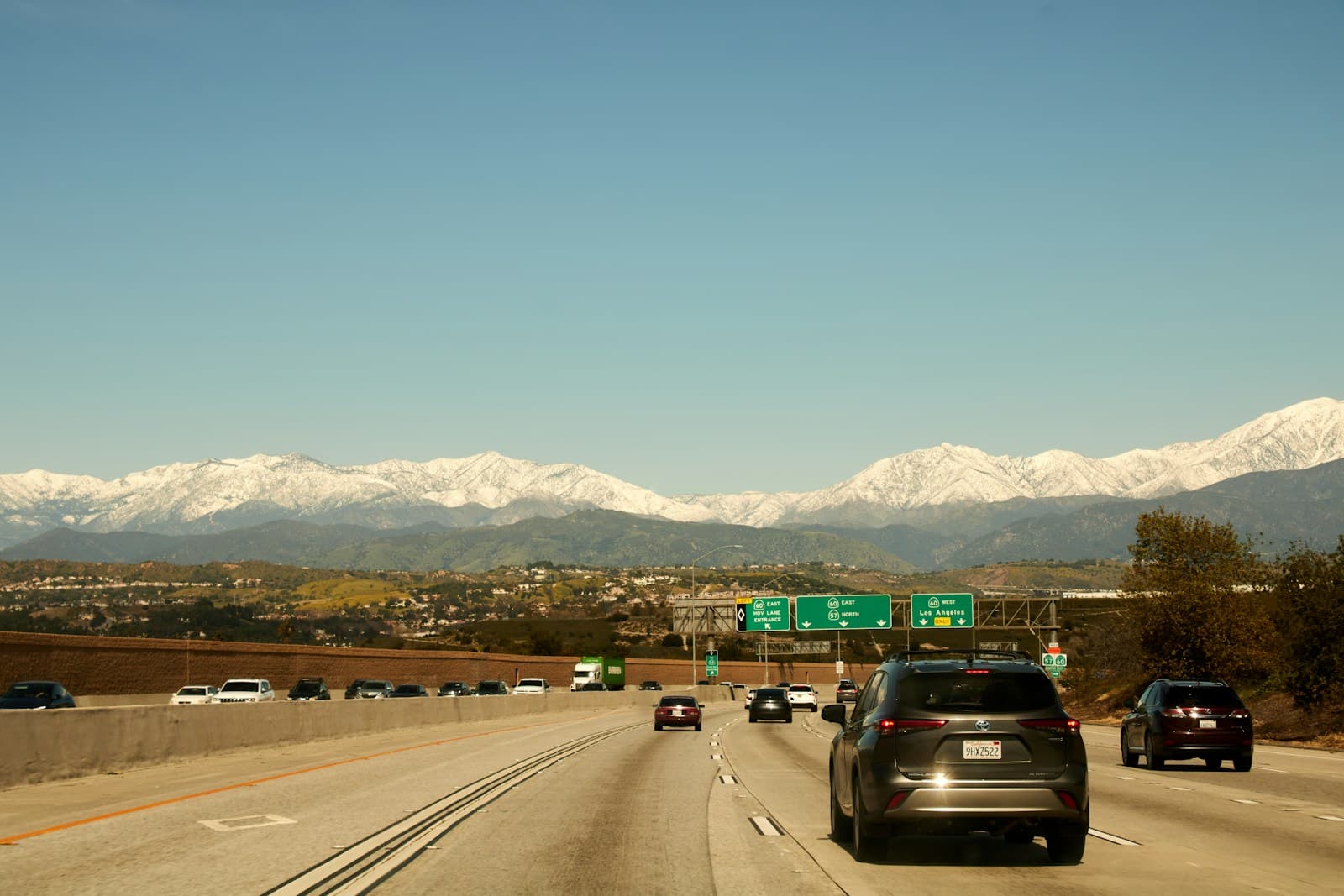
- Interstate and Highway Exposure: Laramie sits at the junction of I-80 and US-287, two high-traffic corridors with elevated accident rates due to cross-country trucking traffic and rural speed limits up to 80 mph. Drivers with at-fault accidents or speeding violations face steeper surcharges because insurers view sustained highway exposure and past violations as compounding risk factors.
- Extreme Winter Conditions: Laramie's 7,200-foot elevation produces frequent ice, blowing snow, and wind gusts exceeding 50 mph on I-80 between November and April, contributing to multi-vehicle pileups and single-vehicle weather-related crashes. High-risk drivers with winter accident histories or DUIs—particularly those involving weather conditions—see premiums increase 20–40% compared to drivers in lower-elevation Wyoming cities like Casper or Cheyenne.
- Rural Emergency Response Times: Albany County's mix of rural roads and highway corridors means longer response times for crashes outside city limits, increasing claim severity and medical costs. Insurers price this into high-risk policies, especially for drivers with multiple at-fault accidents, as rural crash outcomes statistically result in higher payouts than urban fender-benders.
- Limited Non-Standard Carrier Presence: Laramie's smaller insurance market means fewer non-standard carriers operate locally, reducing competition for high-risk policies. Drivers often work with regional or national non-standard insurers rather than local agents, and rate shopping between carriers can yield 30–50% differences for identical SR-22 coverage.
- University Town Demographics: The University of Wyoming's student population increases pedestrian and bicycle traffic in central Laramie, raising accident frequency in residential neighborhoods near campus. High-risk drivers with prior at-fault accidents face higher premiums in zip codes 82070 and 82072 due to elevated claim density in these areas.
Find out exactly how long SR-22 is required in your state
Coverage Recommendations
Cost estimates are based on available industry data and vary by driver profile. These are not insurance quotes.
SR-22 Insurance
Wyoming requires 3 years of continuous SR-22 filing for DUI convictions, multiple violations, or driving without insurance. The filing itself costs $25–$50, but underlying liability premiums run $1,200–$2,400/year in Laramie depending on violation severity and carrier.
$1,200–$2,400/year + filing feeEstimated range only. Not a quote.
Liability Insurance
Wyoming's minimum—$25,000 per person/$50,000 per accident for bodily injury and $20,000 for property damage—is the legal floor for SR-22 filers. High-risk drivers in Laramie should consider $50,000/$100,000/$50,000 limits given I-80 crash severity and multi-vehicle accident risk; premiums increase 15–25% over state minimums but provide meaningful protection.
$1,400–$2,800/year for 50/100/50Estimated range only. Not a quote.
Uninsured Motorist Coverage
Wyoming law requires insurers to offer uninsured/underinsured motorist coverage, though drivers can reject it in writing. With approximately 7% of Wyoming drivers uninsured and rural highways increasing hit-and-run risk, high-risk drivers should carry UM limits matching their liability—adding roughly $150–$300/year to premiums in Laramie.
$150–$300/year typical addEstimated range only. Not a quote.
Non-Standard Auto Insurance
Drivers with multiple DUIs, suspended licenses, or major at-fault accidents may require non-standard carriers that specialize in high-risk profiles. These policies often cost 50–100% more than standard high-risk policies but provide coverage when standard and preferred carriers decline—expect $2,400–$4,000/year for liability-only in Laramie.
$2,400–$4,000/year liabilityEstimated range only. Not a quote.