What Affects Rates in Kansas City
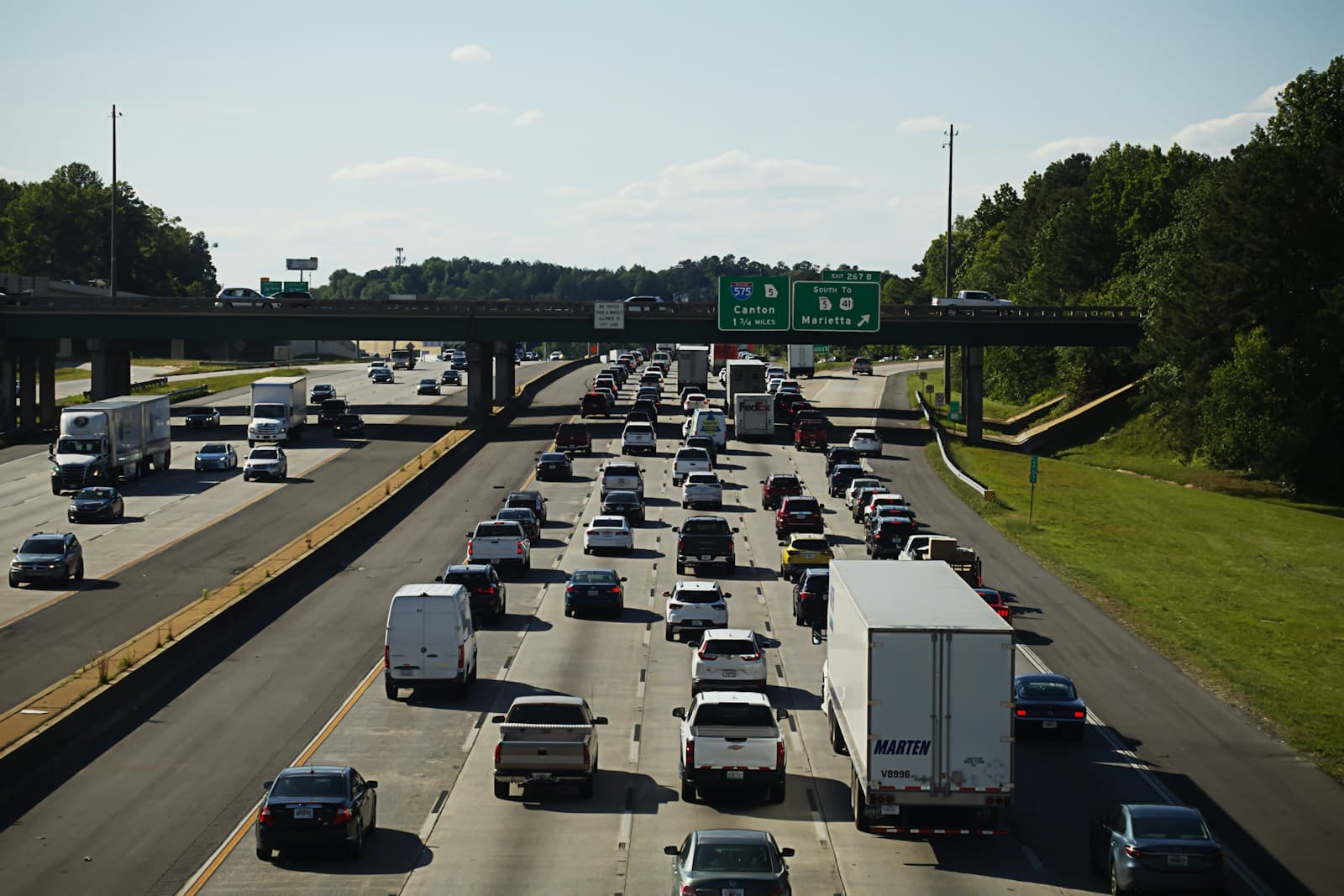
- I-70 and I-35 Corridor Density: Kansas City sits at the junction of I-70 and I-35, creating high-traffic corridors through Wyandotte County with elevated accident rates. High-risk drivers in zip codes near these interstate exchanges (66101, 66102, 66106) often see 10–15% higher premiums than suburban areas due to increased collision frequency.
- Wyandotte County Uninsured Motorist Rate: Wyandotte County reports uninsured motorist rates near 17%, above Kansas's statewide average of 12%. This concentration increases uninsured/underinsured motorist coverage costs for high-risk drivers by $15–$30/month, as carriers price for higher likelihood of uncompensated claims.
- Kansas City Municipal Court SR-22 Volume: Kansas City Municipal Court processes a high volume of DUI and suspended license cases annually, creating a larger pool of SR-22-required drivers. This market concentration means non-standard carriers like The General, Progressive's non-standard division, and Direct Auto actively write policies here, improving availability but maintaining elevated rates.
- Urban Density and Theft Rates: Downtown Kansas City and northeast neighborhoods report property crime rates that elevate comprehensive premiums for high-risk drivers by 20–30% compared to western suburbs like Bonner Springs. Drivers with violations who also require full coverage face compounded costs in urban zip codes.
- Kansas No-Tolerance SR-22 Lapse Policy: Kansas suspends licenses immediately upon SR-22 lapse, with no grace period. Carriers in Kansas City enforce strict payment schedules, and reinstatement after lapse requires new filing fees ($25–$50) plus potential court appearances, adding $200–$500 in administrative costs beyond premium increases.

Find out exactly how long SR-22 is required in your state
Coverage Recommendations
Cost estimates are based on available industry data and vary by driver profile. These are not insurance quotes.
SR-22 Insurance
Kansas requires SR-22 certificates for 3 years following DUI, reckless driving, driving without insurance, or license suspension. The SR-22 itself costs $25–$50 to file, but underlying liability coverage for high-risk drivers in Kansas City runs $150–$280/month depending on violation severity and driving history.
$150–$280/monthEstimated range only. Not a quote.
Liability Insurance
Kansas mandates 25/50/25 minimums ($25k bodily injury per person, $50k per accident, $25k property damage). High-risk drivers in Kansas City pay $125–$220/month for state minimum liability, with DUI offenders at the upper end. Most SR-22 filings attach to liability-only policies to minimize cost during the required 3-year period.
$125–$220/monthEstimated range only. Not a quote.
Uninsured Motorist Coverage
With 17% of Wyandotte County drivers uninsured, UM/UIM coverage is critical for high-risk drivers who cannot afford out-of-pocket costs after a not-at-fault accident. Adding 25/50 UM coverage to an SR-22 policy in Kansas City costs $20–$40/month, a worthwhile expense given local uninsured driver concentration along major corridors.
$20–$40/month add-onEstimated range only. Not a quote.
Non-Standard Auto Insurance
Drivers with multiple violations, DUIs, or lapses often require non-standard carriers like The General, Acceptance, or Direct Auto, all active in Kansas City. Non-standard policies offer SR-22 filing and state-minimum coverage but carry premiums 40–80% higher than standard market rates, typically $180–$320/month for liability with SR-22 in urban Kansas City zip codes.
$180–$320/monthEstimated range only. Not a quote.