What Affects Rates in Kansas City
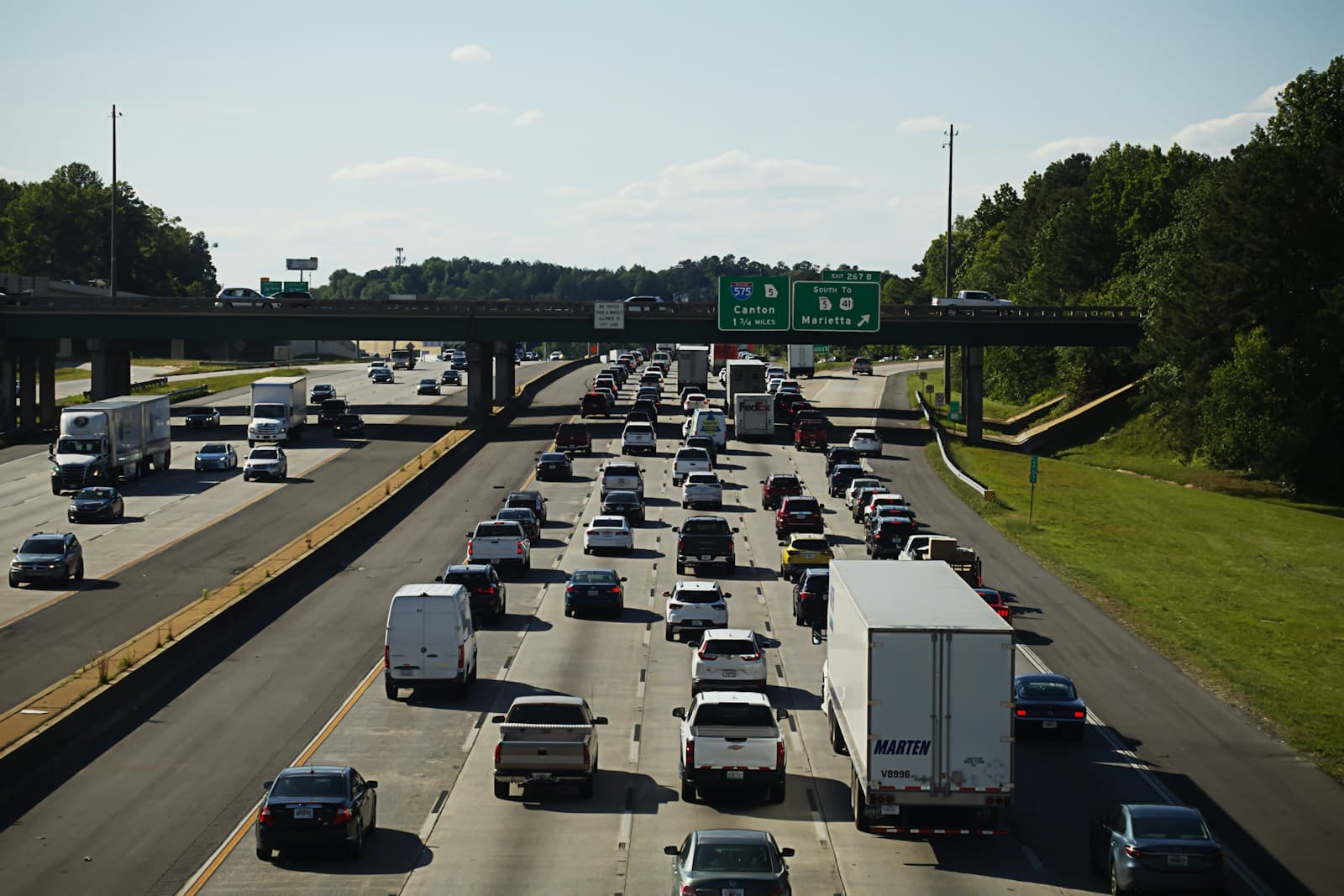
- I-70 and I-35 Interchange Accident Rates: The I-70/I-35 interchange and surrounding corridors see elevated collision rates due to heavy commercial and commuter traffic. High-risk drivers living or working near these routes — including downtown, North Kansas City, and eastern Jackson County — often face steeper premiums due to heightened accident exposure.
- Jackson County Court System: DUI and moving violation cases processed through Jackson County Associate Circuit Court can result in license suspensions that trigger SR-22 requirements. The court's handling of plea agreements and suspended imposition of sentence (SIS) can affect whether a violation appears on your driving record and how long it impacts your rates.
- Uninsured Driver Concentration: Missouri's uninsured motorist rate hovers around 13%, with concentrations in certain Kansas City neighborhoods. High-risk drivers should strongly consider uninsured motorist coverage — if an uninsured driver hits you, your own carrier may not cover damages fully without it, and a second at-fault claim will push premiums even higher.
- Winter Weather and Suspension Risk: Kansas City winters bring ice storms and freezing rain that cause multi-vehicle pileups on I-435, US-71, and surface streets. For drivers already carrying violations, an at-fault winter accident can compound risk classification and trigger policy non-renewal, making continuous coverage critical even in off-peak months.
- Kansas-Missouri Border Insurance Shopping: Drivers in the Kansas City metro can sometimes find different rate structures by comparing Missouri-based and Kansas-based insurers, though residency determines which state's SR-22 form is required. Missouri SR-22 requirements differ from Kansas SR-50 forms, so cross-border rate shopping must account for your state of residence and filing jurisdiction.

Find out exactly how long SR-22 is required in your state
Coverage Recommendations
Cost estimates are based on available industry data and vary by driver profile. These are not insurance quotes.
SR-22 Insurance
Missouri requires SR-22 for 2 years after DUI convictions, multiple violations, or driving uninsured. The SR-22 itself is a certificate your insurer files with the Missouri DOR; your policy must maintain at least 25/50/25 liability limits, and any lapse triggers license re-suspension.
$25–$50 filing fee plus high-risk premiumEstimated range only. Not a quote.
Liability Insurance
Missouri's minimum liability limits are 25/50/25 ($25k bodily injury per person, $50k per accident, $25k property damage). High-risk drivers often get quoted only for state minimums, but carrying 50/100/50 or higher can reduce out-of-pocket exposure if you cause another accident and face a lawsuit.
State minimum: $180–$350/mo for high-risk driversEstimated range only. Not a quote.
Uninsured Motorist Coverage
With roughly 13% of Missouri drivers uninsured, UM coverage protects you if an at-fault uninsured driver hits you. For high-risk drivers, a second accident — even one you didn't cause — can complicate renewals if you file a claim on your own policy, making UM/UIM coverage a critical buffer.
Adds $10–$30/mo to high-risk policiesEstimated range only. Not a quote.
Non-Standard Auto Insurance
Non-standard carriers specialize in high-risk profiles — DUIs, multiple violations, lapses, or SR-22 requirements. These insurers operate in Kansas City and offer policies when standard carriers decline or quote prohibitively. Rates are higher, but coverage is accessible and can transition to standard markets as your record clears.
$180–$350/mo depending on violation severityEstimated range only. Not a quote.