
SR-22 Cost in California — Non-Owner Filing
Get SR-22 Quotes NowNon-Owner SR-22 Costs Half What Carriers Quote You
You called for an SR-22 quote after a DUI conviction and the carrier came back at $180/month. You don't own a vehicle right now — you're using rideshare during suspension — but the quote assumes you're insuring a car. That's the default frame carriers use because owner policies generate higher premiums, and most phone reps won't mention non-owner options unless you ask directly.
California permits non-owner SR-22 policies for drivers who don't own titled vehicles. These policies cost $42/month total at state minimum liability limits, covering the SR-22 filing requirement and providing liability protection when you drive borrowed or rental vehicles. Owner policies after violations run $93-$324/month depending on your record, which means non-owner coverage cuts your cost by 55-87% for the same legal compliance.
“A missed payment in year two costs you another three years of filing, not just the remaining months — the clock restarts from zero.”

Get Your SR-22 Even Without a Car
Get SR-22 Quotes Now$42/mo
California Non-Owner SR-22
State minimum liability coverage with SR-22 filing included. Owner policies after violations cost $93-$324/month, making non-owner the lowest-cost compliant path when you don't own a vehicle.
Insure.com non-owner by-state 2026
What the SR-22 Filing Actually Costs
The SR-22 itself is a certificate your insurance carrier files electronically with the California DMV proving you carry continuous liability coverage. Carriers charge a small one-time filing fee set by the carrier and state; this fee is separate from your monthly premium. The $42/month figure covers both the filing and the underlying liability policy at California's $15,000/$30,000/$5,000 state minimums — bodily injury per person, bodily injury per accident, and property damage.
California requires the SR-22 for 3 years after DUI conviction, measured from the conviction date, not the filing date. If you're convicted January 15 and file your SR-22 March 1, your filing period still ends January 15 three years later. Most drivers assume the clock starts when they file; it doesn't. The DMV tracks from conviction, which means late filing doesn't extend your requirement — it just delays reinstatement.
The filing period restarts from zero if your policy lapses even one day. Your carrier reports the lapse to the DMV within 24 hours, the DMV suspends your license, and when you reinstate you're starting a new 3-year clock. This is the single most expensive mistake drivers make mid-period: a missed payment in year two costs you another three years of filing, not just the remaining months.
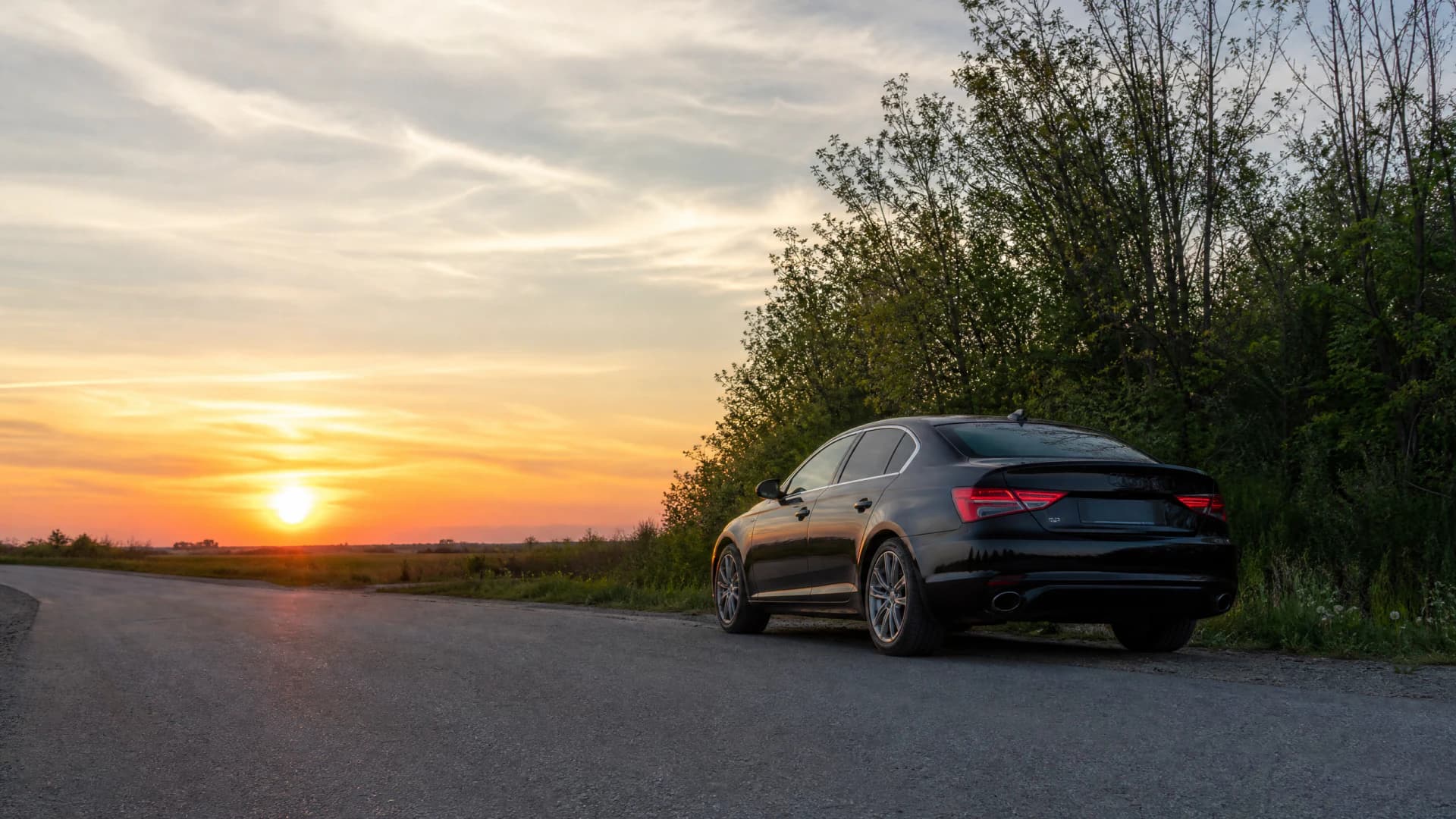
A single day of lapse during your 3-year filing period restarts the entire clock from zero — carriers report lapses to the DMV within 24 hours and most drivers learn this from the suspension notice.
Related Articles
Non-Owner SR-22 Cost Per Month in California
6/8/2026
Non-Owner SR-22 Cost Without a Car
6/8/2026
Non-Owner SR-22 Without a Car: Setup Guide
5/18/2026

Cheapest Non-Owner SR-22 CA Minimum Liability
6/8/2026
Lowest Non-Owner SR-22 Monthly Cost With Minimum Limits
6/8/2026
Non-Owner SR-22 Cost with State-Minimum Liability
6/8/2026
Which Carriers Write Non-Owner SR-22 in California
Not every carrier writing standard auto policies writes non-owner SR-22. The carrier block matters more than the brand name: you need a carrier licensed in California that writes both SR-22 filings and non-owner policies for high-risk profiles. Acceptance, Bristol West, Dairyland, Farmers, Geico, Infinity, Kemper, Mercury General, National General, Progressive, State Farm, and The General all write non-owner SR-22 in California as of current filings.
State Farm and Geico offer online quotes for non-owner policies, but approval depends on your violation type and how recently it occurred. Acceptance, Bristol West, Dairyland, Infinity, Kemper, and The General specialize in non-standard coverage and typically approve non-owner SR-22 applications standard carriers decline. You'll pay slightly higher rates with non-standard carriers, but approval probability is higher if your DUI or suspension is recent.
When you request quotes, specify non-owner SR-22 explicitly. If you ask for 'SR-22 insurance' without clarifying non-owner, most reps default to owner policy quoting because it's the higher-premium product. Ask: 'I need a non-owner SR-22 policy — I don't own a vehicle.' That frame gets you the correct product and the correct price.
3 years
California SR-22 Filing Period
Required after DUI conviction, measured from conviction date. The period does not extend if you file late, but it restarts from zero if your policy lapses even one day during the three years.
California Insurance Proof Certificate requirements
What Happens If You Let the Policy Lapse
Your carrier reports policy cancellations and lapses to the California DMV electronically, usually within 24 hours. The DMV receives the lapse notice, suspends your license, and mails you a suspension order. If you're driving during this window — even one day between the lapse and when you reinstate — you're driving on a suspended license, which carries separate criminal penalties and extends your SR-22 requirement.
Reinstatement after a lapse requires paying a $55 base reinstatement fee to the DMV, filing a new SR-22 with a new carrier or your old carrier if they'll reinstate you, and starting a new 3-year filing period from the reinstatement date. If you lapsed in month 20 of your original 3-year period, you don't owe 16 months — you owe 36 months from reinstatement. The clock resets completely.
Compare Carriers That Write Your Filing Type
Start with carriers confirmed to write non-owner SR-22 in California: request quotes from at least three non-standard carriers (Acceptance, Bristol West, Dairyland, Infinity, Kemper, The General) and two standard carriers (Geico, Progressive). Provide your conviction date, violation type, and current license status. Ask each carrier for the total monthly cost including the filing, and confirm the policy is non-owner, not owner.
Set up automatic payments from a checking account, not a debit card that might expire mid-period. A missed payment during your 3-year filing restarts the clock, and automatic payments eliminate that risk. Verify the carrier reports the SR-22 filing to the DMV electronically — request confirmation within 48 hours of binding coverage. The DMV won't lift your suspension until the filing appears in their system, and electronic filing is faster than paper.
Owner Versus Non-Owner SR-22 Structure
An owner SR-22 policy insures a titled vehicle you own or lease. The premium reflects your violation history plus the vehicle's value, your ZIP code's theft and accident rates, and the coverage limits you select. After a DUI or multiple violations, owner policies in California cost $93-$324/month depending on your specific record and location. You're paying for liability coverage, the SR-22 filing, and collision/comprehensive if you carry full coverage.
A non-owner SR-22 policy provides liability coverage when you drive vehicles you don't own — borrowed cars, rentals, or employer vehicles. It does not cover a specific vehicle, which eliminates collision and comprehensive premiums entirely. You're paying only for liability at state minimums plus the filing. Non-owner policies cost $42/month total in California because the carrier isn't insuring physical property, just your legal liability when you're behind the wheel.
Get Your Free Quote
Get SR-22 Quotes NowFrequently Asked Questions
Can I get non-owner SR-22 if I own a car but don't drive it?
California permits non-owner SR-22 only if you don't have a titled vehicle registered in your name. If you own a car — even if it's parked or non-operational — the DMV and carriers require an owner policy. You'd need to transfer the title out of your name or surrender the registration to qualify for non-owner coverage.
Does non-owner SR-22 cover me if I borrow someone's car?
Yes. Non-owner SR-22 provides liability coverage when you drive vehicles you don't own, including borrowed cars and rentals. The policy pays after the vehicle owner's insurance, meaning their policy is primary and yours is secondary. You're covered for liability claims up to your policy limits if the owner's coverage is exhausted.
What happens to my SR-22 requirement if I move out of California?
Your California SR-22 requirement follows you if you move to another state. You must file an SR-22 (or FR-44 in Florida or Virginia) in your new state and maintain it for the remainder of California's 3-year period. The new state's DMV and California's DMV communicate electronically; lapses in your new state trigger suspension in California even if you no longer live there.
Can I switch carriers during my 3-year SR-22 period?
Yes, but the switch must be seamless — no gap in coverage. Your new carrier files an SR-22 with the DMV on the same day your old policy cancels. If there's even one day between cancellation and the new filing, the DMV treats it as a lapse and suspends your license. Coordinate the effective dates carefully and request confirmation that both filings reached the DMV.
How much does the SR-22 filing fee cost in California?
Carriers charge a small one-time filing fee when they submit the SR-22 certificate to the DMV; the amount is set by the carrier and state. This fee is separate from your monthly premium. The $42/month non-owner figure includes both the filing and the underlying liability policy at state minimums.